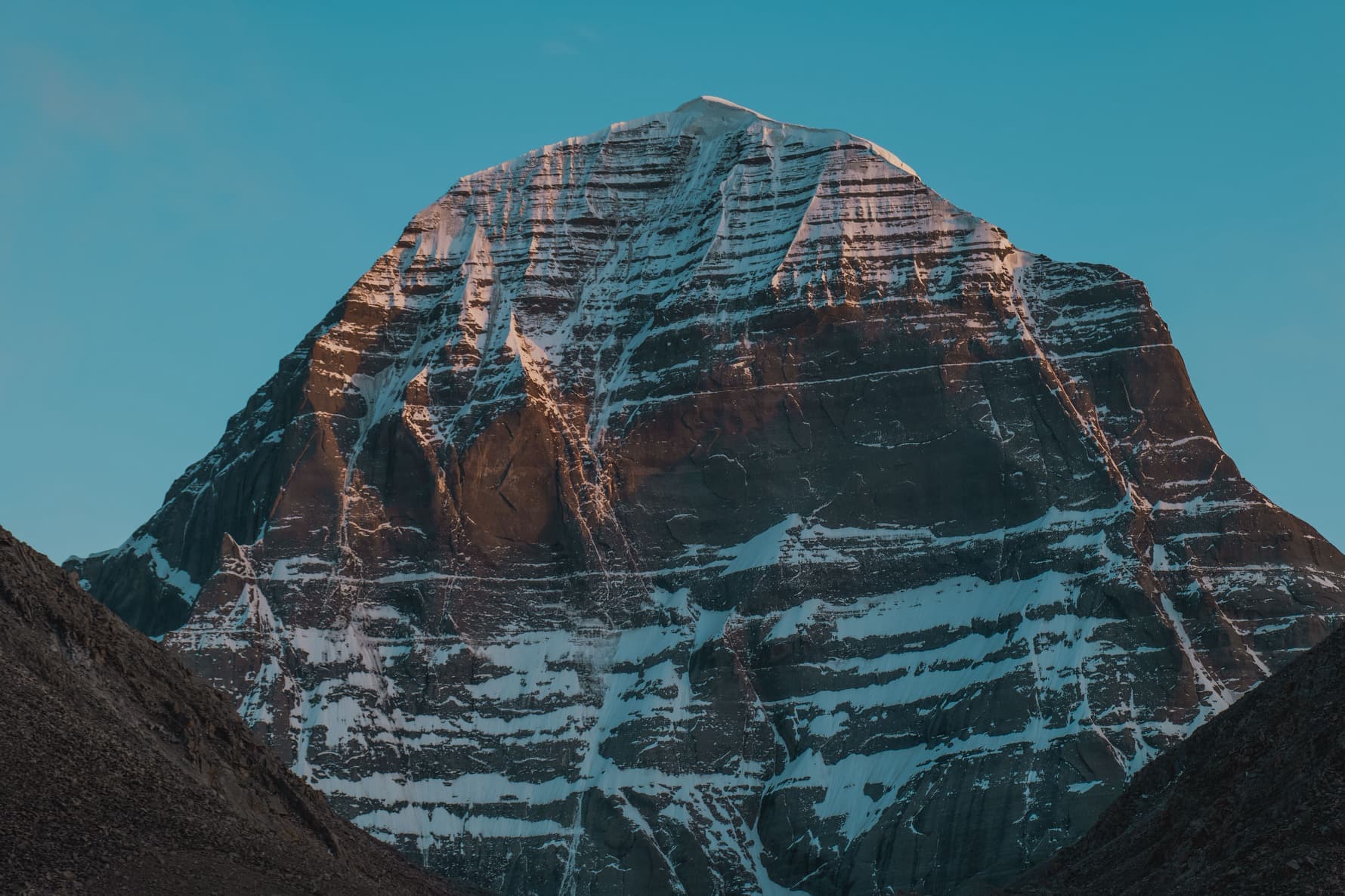
Guide to the Kora Around Kailash.
The Traditional Tibetan Trail...

Introduction to the Kora Around Kailash

The kora around the sacred mountain Kailash is not just a physical journey but a profound spiritual experience. This route, stretching approximately 52 kilometers, winds through picturesque mountain landscapes, where each step becomes part of an ancient ritual. People from all over the world come here to reconnect with themselves and the surrounding world, walking paths rich with legends and sacred meanings.
The Significance of Kailash in Buddhism and Hinduism
Kailash is considered a sacred mountain in several religions, including Buddhism, Hinduism, and Jainism. For Buddhists, Kailash is the abode of the god Shakyamuni, while for Hindus, it is where the god Shiva resides. Every year, thousands of pilgrims undertake the kora, believing that it purifies their souls and brings good fortune. In Buddhism, it is believed that completing the kora positively impacts karma and aids in achieving nirvana. It is essential to understand that for many, this is not just a physical challenge but also a means of spiritual cleansing.
Overview of the Traditional Route and Its Features
The traditional kora route begins in the Sherpa Valley and passes through several key points, each with its own significance. Along the way, you will encounter sacred springs, ancient monasteries, and numerous prayer stones inscribed with mantras.
-
Starting Point: The kora begins in the village of Tarbu, from where you head towards the Dolma La Pass (5630 m). This is one of the most challenging sections, and it's recommended to prepare physically in advance.
-
Attractions: Don’t miss the opportunity to visit the Drukpa Monastery, located along the way. It is renowned for its unique rituals and energy.
-
Food and Rest: There are several basic camps along the route where you can rest and snack. It is advisable to carry light snacks, such as nuts and dried fruits, to maintain your energy levels.
-
Travel Time: On average, the kora takes 3-4 days, depending on your physical abilities and pace. Keep in mind that it may be more challenging to breathe at high altitudes, so it's essential to move slowly and listen to your body.
-
Preparation: Before setting off, it's advisable to spend several weeks at high altitude to acclimatize. Also, don’t forget to bring essential gear: comfortable trekking boots, warm clothing, and sun protection.
-
Spiritual Practice: Many pilgrims use this time for meditation and reflection. Be sure to set aside moments for nature contemplation and inner dialogue.
If you are ready for this incredible journey, I encourage you to consider joining our programs, such as Kailash: Sacred Kora from Lhasa or Kailash via Nepal: Kora with Gosainkunda. Each offers a unique experience and an opportunity to deepen your understanding of the sacred significance of Mount Kailash.
Preparing for the Kora: What You Need to Know

The kora around Kailash is not just a physical challenge but also a deep spiritual journey. Proper preparation will help you enjoy every moment and ease your path as much as possible. Here’s what you need to consider.
Essential Items List: Gear, Medications, Documents
- Gear:
-
Trekking Boots: Choose footwear with good support and a non-slip sole. Be sure to test them before the hike.
-
Clothing: A layered system (thermal underwear, fleece jacket, windbreaker) to adapt to changing weather conditions.
-
Sleeping Bag: For cold nights, choose an insulated one rated for sub-zero temperatures.
-
Umbrella or Rain Jacket: Even in the dry season, it can rain.
- Medications:
-
Painkillers and Cold Remedies: Discomfort can occur at high altitudes.
-
Antibiotics and Bandages: Just in case.
-
Acclimatization Medications: Such as Dexamethasone, but only after consulting with a physician.
- Documents:
-
Passport: Check its validity.
-
Visa (if required): Ensure you apply in advance.
-
Medical Insurance: It's important that it covers high-altitude trekking.
Tips for Physical Preparation: Training and Acclimatization
Physical preparation is a key aspect of a successful kora. It is recommended to start training 4-6 weeks before the hike. Here are some tips:
-
Cardio Workouts: Running, swimming, cycling will help improve endurance. Aim for 3-4 workouts a week for 30-60 minutes.
-
Strength Training: Strengthening the muscles of the legs and back will prepare you for long ascents and descents.
-
Acclimatization: Spend 1-2 weeks at high altitude (for example, in the mountains) before the kora. This will help your body adapt to the lack of oxygen.
The Importance of Mental Preparation: Mindset and Spiritual Practices
Psychological preparation is just as important as physical. Here are some aspects to consider:
-
Mindset: Think in advance about the goals of your journey. Write them down to maintain your motivation.
-
Spiritual Practices: Meditation, breathing exercises, or simply moments of silence can help you focus and deepen your inner dialogue.
-
Group Dynamics: Interacting with other pilgrims can significantly enrich your experience. Be open to new acquaintances and sharing experiences.
If you are ready for this incredible journey, I encourage you to consider joining our programs, such as Kailash: Sacred Kora from Lhasa or Kailash via Nepal: Kora with Gosainkunda. Each offers a unique experience and an opportunity to deepen your understanding of the sacred significance of Mount Kailash.
Safety During the Kora

The kora around Kailash is not only a spiritual but also a physically demanding journey. To ensure that your adventure is as safe and comfortable as possible, it is essential to consider several key aspects.
Safety Recommendations: How to Avoid Altitude Sickness, Weather Protection
-
Acclimatization: As previously mentioned, acclimatization is your best friend. Try to spend at least 1-2 weeks at high altitude before starting the kora. This will help your body adapt to conditions where oxygen levels are significantly lower.
-
Hydration: Drink plenty of water. In high-altitude conditions, the body loses moisture faster than usual. It is recommended to consume at least 3-4 liters of water per day.
-
Weather Protection: Prepare appropriate clothing, including a waterproof jacket, thermal underwear, and comfortable trekking boots. Don’t forget a hat and sunglasses—at high altitudes, the sun’s rays can be particularly harsh.
-
Advance Provision of Medications: Be sure to bring a first-aid kit with necessary medications, such as aspirin for headaches, as well as remedies for preventing and treating altitude sickness.
The Importance of Group Travel and Choosing Experienced Guides
Traveling in a group with experienced guides is not only safer but also more enjoyable. Guides can help you:
-
Organize the Route: They know local conditions and can adapt the route based on weather and the group's state.
-
Provide First Aid: Experienced guides are trained to provide first aid and can respond quickly if necessary.
-
Create a Supportive Atmosphere: Group dynamics can be a powerful source of motivation. It’s easier to overcome difficulties and celebrate achievements together.
Choose tours with verified guides. For instance, in our programs, such as Kailash: Sacred Kora from Lhasa and Kailash via Nepal: Kora with Gosainkunda, only experienced specialists work who know all the intricacies of the route and are ready to support you in any situation.
Local Emergency Services and Medical Facilities Contact Information
Before starting the kora, make sure to clarify local contact information for emergencies:
-
Rescue Service: In most regions of Tibet and Nepal, there are services that can respond quickly. Ensure you have their numbers.
-
Medical Facilities: Research where the nearest hospitals or medical posts are located. It is important to know where to turn in case of need.
Your journey to the sacred mountain Kailash could become one of the most significant events in your life. Be attentive to your well-being and follow recommendations to ensure a safe and pleasant journey.
Logistics: How to Organize the Journey

Traveling to the sacred mountain Kailash is not only a spiritual experience but also a serious physical endeavor. Proper preparation and organization will help make your journey comfortable and safe. Let’s explore the key aspects of logistics.
How to Get to the Start of the Route: Transportation Options
First, you need to get to Tibet or Nepal. Here are the main ways:1. Air Travel:
-
The most convenient option is to fly to Lhasa (Tibet) or Kathmandu (Nepal). Direct flights from major cities like Beijing or Hong Kong are available to Lhasa.
-
For Kathmandu, you can use flights from Delhi, Bangkok, or other cities in South Asia.
- Ground Transportation:
-
You can reach Tibet from Kathmandu by bus or minibus, which takes about 8-10 hours. This route offers the chance to enjoy picturesque landscapes.
-
If you plan to start your journey from Nepal, make sure you have all the necessary permits and visas.
Accommodation: choosing between tents, hostels, and hotels
Along the route, you will need to decide where to stay:
-
Tents: This is the most common and affordable option for travelers. Tent camps are usually organized in places with access to water sources and basic amenities. Ensure that your tent is sturdy against winds and cold.
-
Hostels and Hotels: If you prefer more comfortable conditions, choose hostels or small hotels in cities like Lhasa or Shigatse. It’s important to book in advance, especially during the high season, to avoid unpleasant surprises.
Food along the route: what to bring and where to eat
Proper nutrition during the kora is an important aspect. Here are some tips:
-
What to bring:
-
Lightweight snacks like nuts, dried fruits, and energy bars will help maintain your energy levels.
-
It's also a good idea to bring tea and coffee — this will help keep you warm on cold nights.
-
Where to eat:
-
There are several basic camps along the route where you can purchase local food. However, the food selection may be limited, so stock up on supplies in advance.
-
In Lhasa and other cities, you can find restaurants offering both local and international cuisine. Be sure to try Tibetan dishes like momo and thukpa.
Organizing logistics is key to a successful journey. Take care of all the details in advance so that your kora around Kailash becomes an unforgettable adventure. If you want to embark on this journey with experienced guides, check out our programs like Kailash: Sacred Kora from Lhasa and Kailash through Nepal: Kora with Gosainkunda.
Kora Budget: how much does the trip cost

When planning the kora around Kailash, it’s important to pay attention to all possible expenses. This will help avoid unpleasant surprises and make your trip as comfortable as possible.
Estimating costs for transportation, accommodation, food, and guide services
- Transportation:
-
A flight to Lhasa can range from 25,000 to 50,000 rubles depending on the time of year and airline.
-
Bus or jeep rides to the start of the kora will cost around 5,000–10,000 rubles.
- Accommodation:
- In Lhasa, hotels can cost from 1,500 to 10,000 rubles per night. Along the route, you will stay in tents or basic camps, the cost of which can be around 1,000 rubles per night.
- Food:
- Budget around 500–1,500 rubles per day for meals. In local restaurants, dishes range from 100 to 300 rubles, but prices may be higher along the route.
- Guide Services:
- Guide services can cost from 2,000 to 5,000 rubles per day, depending on the level of experience and the route.
Hidden expenses: visas, insurance, additional excursions
Before departure, be sure to consider the following additional expenses:
-
Visa: A visa is required for traveling to Tibet, which can cost around 3,000 rubles. The process can take from a few days to several weeks.
-
Insurance: It is recommended to purchase an insurance policy that covers active sports. The cost of insurance ranges from 1,500 to 5,000 rubles.
-
Additional excursions: If you plan excursions in Lhasa or along the way, this can add another 5,000–15,000 rubles to your budget.
How to save: planning and booking tips
-
Early Booking: Book your flights and hotels in advance to avoid inflated prices. Use aggregators to compare prices.
-
Group Tours: Joining group tours, such as Kailash: Sacred Kora from Lhasa, can significantly reduce transportation and guide service costs.
-
Local Products: Along the route, try to eat local food — it’s not only cheaper but also allows you to better understand the region's culture.
-
Local Secrets: Talk to locals to find out where to find affordable places to stay and eat. They often can recommend the best options.
Preparing for the kora around Kailash requires attention to detail. I hope these tips help you organize your journey so that it becomes not only spiritual but also financially accessible. If you want to embark on this journey with experienced guides, check out our programs like Kailash through Nepal: Kora with Gosainkunda.
FAQ

What is the kora around Kailash?
The kora around Mount Kailash is a sacred pilgrimage that attracts many followers of Buddhism, Hinduism, and Jainism. It is a 52-kilometer path that can be completed in 2-3 days, depending on your physical condition and pace. Each step on this trail is filled with spiritual meaning, and many pilgrims believe that completing the kora cleanses the soul and brings blessings.
How to prepare for the kora?
-
Physical Preparation: It is advisable to start training in advance to build endurance. Running, hiking in the mountains, and gym workouts will help prepare your body for the physical demands.
-
Equipment: Choose comfortable trekking shoes, warm clothing, and a raincoat. Don’t forget to bring a first aid kit with basic medications and altitude sickness remedies.
-
Guide: It is recommended to embark on the journey with an experienced guide. This ensures safety and provides an opportunity to better understand the local culture and traditions. For example, our programs, such as Kailash: Sacred Kora from Lhasa, offer professional guides.
What are the risks during the kora?
-
Altitude Sickness: Due to the significant elevation (about 5,600 meters), there is a risk of developing altitude sickness. At the first signs (headache, nausea), it is essential to descend immediately.
-
Weather Conditions: The weather in the mountains can change very quickly. Be prepared for cold, strong winds, and rain, even if it’s sunny below.
-
Physical Strain: Make sure you are aware of your capabilities. Don’t hesitate to take breaks and don’t rush. It’s important to listen to your body and take care of yourself.
How much does the kora cost?
The cost of the kora can vary depending on the chosen route, duration, and level of comfort. For group tours, such as Kailash through Nepal: Kora with Gosainkunda, prices start at 1,000 USD, including transportation, meals, accommodation, and guide services.
When is the best time for the kora?
The best time for the kora is spring and autumn when the weather is more stable. Avoid the rainy season and winter months when temperatures can drop to critical levels.
Jay Shambo Programs
For a deeper immersion in the kora experience, I recommend considering our programs:
These programs not only offer the chance to walk the sacred path but also provide a unique experience of interacting with locals, making your journey truly unforgettable.