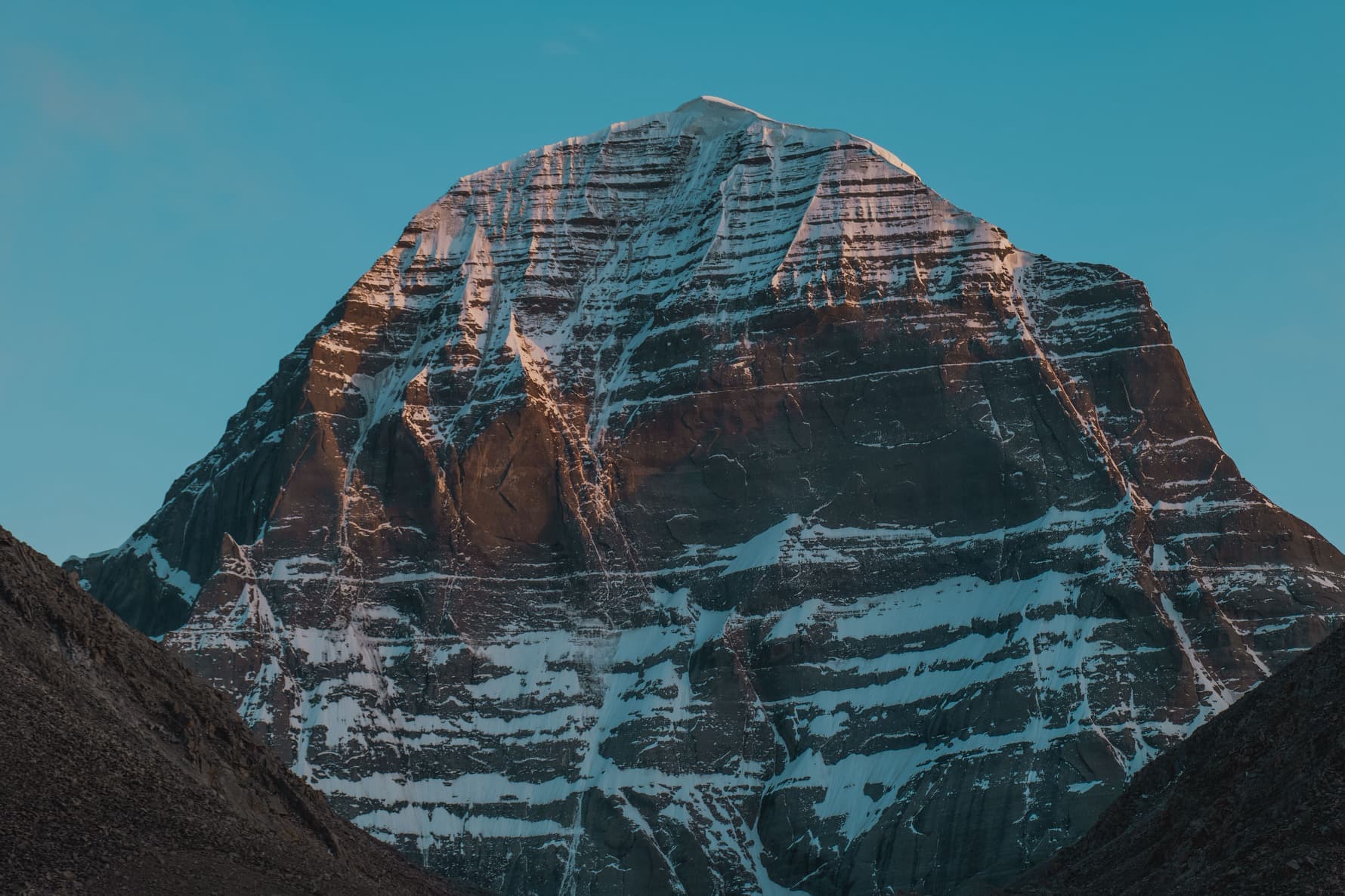
THE PATH TO KAILASH, last 7th day of acclimatization in Nepal

Introduction to the Journey to Kailash

Mount Kailash is not just a majestic natural object, but also a sacred intersection of various spiritual traditions. For Buddhists, Hindus, and Jains, Kailash symbolizes purity and inspiration, a place where the heavenly meets the earthly. In every culture, it embodies something unique: for Buddhists, it is the abode of Buddha, while for Hindus, it is the home of Shiva. Understanding this significance helps not only to grasp the depth of the journey itself but also fills it with special meaning.
Preparations for the journey begin long before setting out on the trail. The uniqueness of acclimatization in Nepal lies in its ability to allow your body to not only adapt to altitude but also attune to the spiritual perception of the surrounding environment. The last, seventh day of acclimatization is a crucial stage when your body begins to adjust to the conditions of high altitude, and the mind starts to meditate and focus inward. This is a time for recognizing your thoughts and feelings, for deep personal work.
Preparation for the journey involves both physical and psychological components. Here are some tips to help you get ready for the upcoming adventure:
-
Physical preparation: Start doing cardio and strength training a few months before the trip. Swimming, running, and yoga will help strengthen your lungs and cardiovascular system.
-
Breathing practices: Pay attention to breathing exercises. They will help you cope with the altitude and reduce anxiety levels during the ascent.
-
Meditation: Begin to meditate regularly. This will help you concentrate and tune into your inner world, which is especially important in sacred places like Kailash.
-
Psychological readiness: Accept that the journey will be not only a physical but also a spiritual test. Set goals that go beyond simply reaching the summit. This could be seeking inner peace or striving for self-improvement.
-
Routine adherence: During acclimatization days, monitor your sleep and nutrition. Consuming light food and staying hydrated are crucial factors for successful acclimatization.
-
Openness to experience: Be prepared for the unexpected. Every journey to Kailash is unique, and your ability to adapt to new conditions will contribute to a deeper perception of what is happening.
If you are ready for this amazing journey, take a look at our programs, such as Kailash: Sacred Kora from Lhasa and Kailash through Nepal: Kora with Gosainkund. These routes provide not only physical preparation but also an opportunity for deep inner exploration. The journey to Kailash is a path to yourself, and every step along this path can become a step toward inner transformation.
Preparation for Acclimatization

Every journey to the sacred mountain Kailash requires not only physical but also psychological preparation. The last 7th day of acclimatization in Nepal is particularly important as your body adapts to the altitude and conditions. Here are some recommendations to help you prepare as effectively as possible.
Checklist of Essentials for Acclimatization
- Clothing:
-
Thermal underwear (top and bottom)
-
Warm fleece jacket
- Windproof and waterproof jacket
- Comfortable trekking boots
- Warm hat, gloves, and scarf
- Hydration:
-
Water bottle (preferably stainless steel)
-
Electrolytes (powders or tablets)
- Physical preparation:
-
A small first aid kit (band-aids, pain relievers, cold remedies)
-
Insect repellent and sunscreen
- Additional supplies:
- Spare socks and underwear
- Sitting pad for resting
- Compact pillow or travel mat
Recommendations for Training and Physical Preparation
For successful acclimatization, it is important to prepare your body in advance. It is recommended to start physical training 6–8 weeks before the journey. Here are some effective exercises:
-
Cardio: Running, swimming, or cycling — 3–4 times a week for 30–45 minutes.
-
Strength training: Bodyweight exercises (squats, push-ups) 2–3 times a week.
-
Hiking: Try hiking in the mountains or hills, gradually increasing time and distance. Slowly climb to higher altitudes to adapt your body.
Psychological Preparation: Meditation and Mindset
Your psychological readiness is no less important. Use meditation to calm your mind and focus on the upcoming journey. Here are some simple techniques:
-
Breathing practices: Find a quiet place and spend 10–15 minutes on deep breathing. Inhale for a count of 5, hold your breath for a count of 3, then exhale for a count of 7. This will help relieve tension.
-
Visualization: Imagine yourself at the height of Kailash, feel the atmosphere of the place, and tune into the inner process. This can help you during challenging moments.
Remember, it is important not just to reach the summit but to enjoy every moment of the journey. If you are ready for this amazing journey, consider our programs, such as Kailash: Sacred Kora from Lhasa and Kailash through Nepal: Kora with Gosainkund. These routes provide not only physical preparation but also the opportunity for deep inner exploration. The journey to Kailash is a path to yourself, and every step on this path can become a step toward inner transformation.
Logistics and Travel Budget

When planning your journey to Kailash, it is important to consider many aspects related to logistics and budget. This will help you avoid surprises and make the most of your trip.
Travel Expenses: What’s Included and What’s Not
The cost of your journey depends on the route, duration, and level of comfort. On average, expenses for a 7-day acclimatization in Nepal can range from $800 to $1500. This amount typically includes:
-
Accommodation: Hotels or guesthouses in Nepal, which can cost from $20 to $100 per night depending on the service level.
-
Meals: Budget around $10–15 per day. Local dishes are usually cheaper, but consider your preferences.
-
Transfers and transport: Account for expenses traveling from Kathmandu to the start of the route. This could be by bus or private transport, costing between $50 and $200.
-
Guide and porter: Guide services can range from $100 to $300 for the entire route, depending on their experience and reputation.
Additionally, you may need funds for medical insurance, visa fees, and other personal expenses.
How to Choose a Reliable Guide and Tour Operator
Selecting a tour operator and guide is an important task. Ensure that your guide is licensed and has experience on the route to Kailash. Here are some tips:
-
Reviews: Read reviews from other travelers on independent platforms to assess the operator's reputation.
-
License: Check if your guide has a license. This can be a basis for confidence in their professionalism.
-
Route flexibility: Make sure the operator is willing to adapt the route to your needs and level of preparation.
-
Support: Choose a company that offers assistance in emergency situations.
Kailash through Nepal: Kora with Gosainkund: a convenient budget-friendly route
If you are looking for an optimal route, consider the program "Kailash through Nepal: Kora with Gosainkund." This route offers a successful combination of accessibility and deep spiritual practice. It includes acclimatization in picturesque locations in Nepal, which prepares you for higher altitude at Kailash.
As part of this program, you will have the chance to enjoy not only beautiful landscapes but also a profound inner experience that will aid you on your further journey. The program covers all the essential aspects of travel — from accommodation to meals and transfers, allowing you to focus on your inner state.
Prepare for your journey in advance, taking into account all the aforementioned aspects, to enjoy every moment on your path to Kailash. If you are ready for this remarkable journey, also consider the program Kailash: Sacred Kora from Lhasa, which offers a unique experience combined with deep meditations and inner practices.
Experience and Safety During Acclimatization

Acclimatization is an important stage on the way to Kailash, especially if you plan to undertake the pilgrimage through Nepal. On the seventh day of acclimatization, when your altitude reaches significant heights, it is essential to keep in mind several key aspects of safety and comfort.
Safety Tips and First Aid in High Altitude1.
Gradual altitude increase: Do not ascend more than 300–500 meters per day. This will help your body adapt to the thinner air.
-
Drink enough water: In high-altitude conditions, it is important to maintain hydration levels. It is recommended to drink at least 3–4 liters of water per day.
-
Dress in layers: Temperatures can change sharply, so wear layered clothing to regulate warmth.
-
Know the symptoms of altitude sickness: Pay attention to headaches, nausea, loss of appetite, and fatigue. At the first signs, descend slowly.
-
First aid: Carry a first aid kit with essential medications such as aspirin, anti-nausea drugs, and altitude sickness prevention medications (e.g., acetazolamide).
Participants' personal experiences: tips and warnings
Participants from previous routes share useful advice. One of them is to remember breathing exercises. They not only help cope with physical exertion but also improve the body’s oxygen saturation.
Also, pay attention to your condition. If you feel extremely fatigued, don’t hesitate to take a break. Some pilgrims claim that simple meditation in nature helps them regain strength and focus.
How to cope with altitude sickness
If you encounter symptoms of altitude sickness, it is important to act quickly:
-
Descend: The most effective way to combat symptoms is to descend to a lower level.
-
Rest and recovery: Try to rest without making sudden movements. Lie down in a comfortable position and take a few deep breaths.
-
Medications: If your condition does not improve, consider using both natural and pharmaceutical remedies. Be sure to consult a doctor before using any medications.
The journey to Kailash is not only a physical challenge but also a profound spiritual practice. The program Kailash through Nepal: Kora with Gosainkunda offers acclimatization in picturesque locations, which contributes not only to physical preparation but also to inner development.
Remember: taking care of your health and being attentive to your condition will help you not only successfully complete your pilgrimage but also gain the maximum benefit from this unique experience.
Last day of acclimatization: what to expect

The last day of acclimatization before the ascent to Kailash is an important stage that will help you prepare both physically and spiritually. On this day, you will immerse yourself in the atmosphere of unity with nature and the group, which will contribute to your inner harmony and tranquility.
Rituals, meditations, and group communication
This is a time for you to reflect on your journey and what this pilgrimage means to you. An important part of the day will be purification rituals and meditations. In the morning, we will gather for a group meditation that will help you tune in for the upcoming challenges. The support of the group is crucial at this moment: communication with like-minded people creates a sense of belonging and confidence.
In the evening, there may be a gratitude ritual where everyone can express their feelings and intentions. This will help you not only complete the acclimatization but also prepare for the final ascent. Don’t forget to prepare a small symbol or item that will be meaningful to you to leave at the foot of Kailash.
How to prepare for the final ascent
To make your ascent as comfortable as possible, pay attention to a few important points:
-
Physical preparation: Take short hikes in the surrounding areas to keep your muscles toned and get used to the altitude.
-
Hydration: Drink enough water. Altitude can cause dehydration, so try to drink at least 3-4 liters per day.
-
Nutrition: Prefer light meals rich in carbohydrates to provide energy to your body. Avoid heavy and fatty dishes.
-
Sleep: Try to get a good night's sleep. Your body should be rested before physical challenges.
-
Psychological preparation: Use meditations and breathing practices to calm your mind and prepare yourself for the ascent.
Kailash: Sacred Kora from Lhasa: what to expect on the route
On the route to Kailash, you will face not only a physical challenge but also the opportunity to touch the grandeur of nature and spiritual tradition. You will pass by sacred lakes, mountain passes, and temples that will fill your heart with inspiration. The program includes meditations and rituals that will help you understand the significance of this pilgrimage more deeply.
Pay attention to your feelings along the way. This is a time for self-reflection and awareness of your inner state. Your personal connection with Kailash will begin at this stage, and preparation will become an important part of your journey.
The journey to Kailash is not only a physical challenge but also a profound spiritual practice. The program Kailash through Nepal: Kora with Gosainkunda offers unique conditions for acclimatization, which contributes not only to physical preparation but also to inner development. Take care of yourself, and your pilgrimage will become a truly unforgettable experience.
FAQ

What documents are needed for a trip to Nepal?
For a trip to Nepal, you will need the following documents:
-
Passport: must be valid for at least 6 months from the date of entry into Nepal.
-
Visa: can be obtained upon arrival in Nepal, but it is recommended to check the current requirements as they may change. Usually, a 30-day visa costs around 30 USD.
-
Medical insurance: make sure to obtain insurance that covers high-altitude travel.
-
Vaccination certificate: some countries require proof of vaccination against yellow fever if you have visited areas where this disease is prevalent.
How to choose the right time for a trip to Kailash?
The best time for a trip to Kailash is from May to September. During this period, the temperature is more comfortable, and the likelihood of rain decreases. However, note that in May and September, temperatures may be lower at high altitudes. If you want to avoid large crowds of tourists, consider traveling in June or August.
What to do in case of altitude sickness?
If you experience symptoms of altitude sickness (headache, nausea, fatigue), follow these recommendations:
-
Descend to a lower altitude: if possible, return to a level where you felt comfortable.
-
Drink plenty of water: dehydration can worsen symptoms.
-
Rest: give your body time to adapt.
-
Take medications: such as acetazolamide (Diamox), if you have a prescription for them.
It is important to monitor your condition and not ignore symptoms.
What level of physical preparation is necessary for the ascent?
It is recommended to have a basic level of physical fitness. But you don't need to be an athlete:
-
Regular training: engage in cardio (running, swimming, cycling) for 2-3 months before the trip.
-
Hiking: practice long walks in rough terrain.
-
Flexibility and strength: add stretching and strength training exercises.
If you can walk 10-15 km in the mountains with a backpack, you are on the right track.
What additional expenses may arise during the trip?
When planning your budget, consider the following possible expenses:
-
Souvenirs: from 20 to 100 dollars, depending on your preferences.
-
Additional excursions: can range from 50 to 300 dollars.
-
Food: depending on the place, lunch can cost from 5 to 15 dollars.
-
Transport: consider expenses for taxis or local buses.
Also, don't forget about tips — this is a common practice in Nepal.
How to organize your trip if I am traveling alone?
If you plan to travel alone, here are a few tips:
-
Join a group program: this will not only ensure safety but also help you meet other travelers.
-
Plan ahead: book hotels and excursions in advance to avoid stress.
-
Communicate with locals: they can offer useful advice and recommendations.
-
Stay connected: keep track of your location and share it with friends or family.
I invite you to learn more about the pilgrimage to Kailash by exploring the programs Kailash through Nepal: Kora with Gosainkunda and Kailash: Sacred Kora from Lhasa.