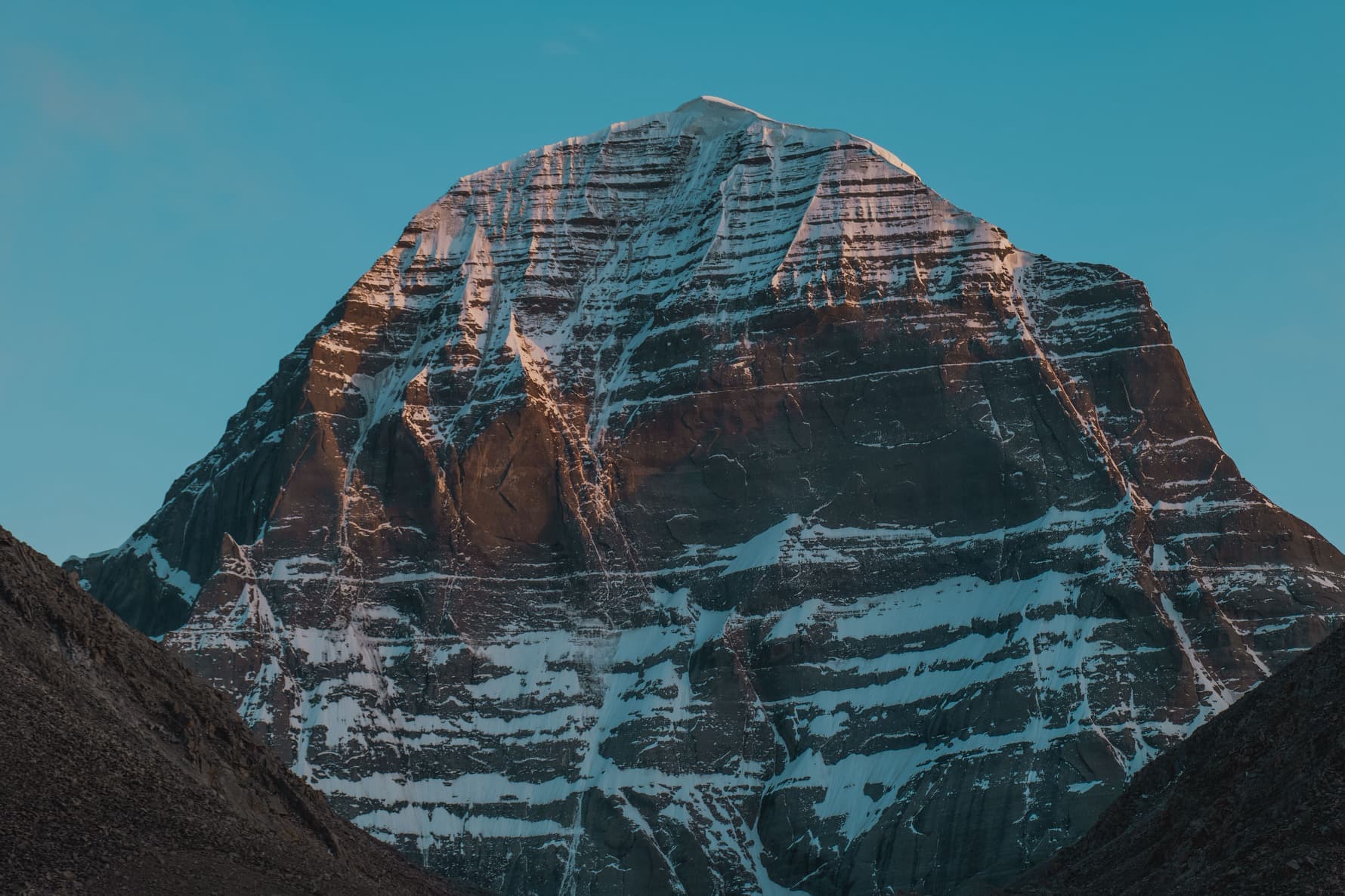
Planning a Pilgrimage to Kailash-Manasarovar from the USA

1. Introduction: Spiritual Significance of Kailash and Manasarovar

A pilgrimage to Kailash and Manasarovar is not just a physical journey but a profound spiritual experience that can change your life. This sacred mountain and lake are considered the center of the world in various religious traditions, including Hinduism, Buddhism, Jainism, and even some branches of Tibetan shamanism. For many people, especially those planning a pilgrimage from the USA, this journey becomes an opportunity for deep reflection and inner transformation.
Importance of Pilgrimage for Spiritual Growth
The spiritual path you choose can serve as a foundation for personal transformation. The pilgrimage to Kailash and Manasarovar offers a chance not only to physically overcome challenges but also to rethink your life. With each step, you cleanse your mind and heart, allowing yourself to look inward. Maintain practices of meditation and mindfulness throughout the journey; this will help you tune into important internal changes.
Brief Overview of the Route and Its Features
The route to Kailash begins from Lhasa or Nepal, depending on the program you choose. For example, the program Kailash: Sacred Circumambulation from Lhasa offers a unique opportunity to enjoy the beauty of Tibet while passing through sacred sites and stopping for meditation and reflection. Along the way, you will not only see beautiful landscapes but also get acquainted with the local culture.
Don’t forget to prepare for the altitude. Kailash is over 4,600 meters high, and it's essential to acclimatize in advance. We recommend:
-
Undergoing regular medical check-ups.
-
Using medications to prevent altitude sickness.
-
Engaging in physical training before your trip, including cardio exercises and breathing techniques.
Mention of Jay Shambo Programs
Each Jay Shambo program is carefully designed to ensure comfort and safety during the pilgrimage. The journey includes not only physical aspects but also a rich spiritual practice. You can choose a program that suits you, including options like Kailash via Nepal: Circumambulation with Gosainkunda if you want to explore an alternative route.
Remember that preparing for a pilgrimage is not just about packing necessary items but also about setting your mindset for internal changes. Openness to new experiences and readiness for transformation will make your journey truly unforgettable. Choose the path that resonates with you, and allow yourself to experience this sacred journey to the fullest.
2. Preparing for the Pilgrimage: What You Need to Know

The pilgrimage to Kailash-Manasarovar is not only a physical challenge but also a deep spiritual journey. To ensure that your adventure goes smoothly, it's important to prepare thoroughly. Here are some key aspects to pay attention to.
Necessary Documents for Traveling from the USA
Before embarking on your pilgrimage, make sure you have all the required documents. You will need:
-
Passport: Ensure it is valid for at least six months from your entry into Nepal or Tibet.
-
Visa: A visa is required to visit Nepal. You can obtain it in advance at the embassy or upon arrival in the country. For Tibet, a special permit is usually arranged through a travel company.
-
Medical Insurance: It’s advisable to have insurance that covers altitude sickness and emergency medical assistance.
Health Check and Medical Recommendations
Your health is the foundation for a successful pilgrimage. Before your trip, it’s wise to undergo a medical examination. Pay attention to the following recommendations:
-
Consultation with a Doctor: Visit your physician to discuss your health status and potential risks associated with altitude.
-
Vaccinations: Ensure you have received all necessary vaccinations, especially for hepatitis and typhoid.
-
Prophylactic Medications: Consider using medications for altitude sickness prevention, such as acetazolamide, which will help your body adapt to the altitude.
-
Physical Preparation: Focus on cardio exercises like running or swimming, as well as breathing exercises, to prepare your body for physical exertion.
Tips for Choosing the Right Time of Year for Your Trip
The time of year you plan your pilgrimage matters. The best months to visit Kailash are spring (April-May) and autumn (September-October) when the weather is more stable. Here are some factors to consider:
-
Weather: During this time of year, temperatures are more comfortable, and the chances of rain and snow are minimal. The summer months can be rainy, complicating the journey.
-
Number of Tourists: In spring and autumn, there are fewer people, allowing you to immerse yourself more deeply in the pilgrimage atmosphere.
-
Local Festivals: If you are interested in the cultural aspect, it's worth checking local festivals that may add vibrancy to your trip.
Preparing for a pilgrimage is both a physical and spiritual endeavor. Each Jay Shambo program is carefully crafted to ensure comfort and safety during your pilgrimage. You can choose a program that suits you, including options like Kailash via Nepal: Circumambulation with Gosainkunda or Kailash: Sacred Circumambulation from Lhasa.
Openness to new experiences and readiness for transformation will make your journey truly unforgettable. Choose the path that resonates with you, and allow yourself to fully experience this sacred journey.
3. How to Get to Kailash and Manasarovar

Traveling to the sacred sites of Kailash and Manasarovar may seem challenging, but with the right preparation, it becomes an accessible and enjoyable experience. Let's explore key routes, alternative options, and logistics that will help make your pilgrimage comfortable.
Overview of Routes: Flights and Ground Transportation
First, you will need to get to one of the major cities in Asia. The most common routes include:
-
Flights: You can fly to Nepal (Kathmandu) or China (Lhasa). From Kathmandu, there are flights to Lhasa, making your journey easier if you choose the route through Nepal. You can also consider options through Delhi with a subsequent flight to Lhasa or Kathmandu.
-
Ground Transportation: After arriving in Lhasa or Kathmandu, you will need to arrange a transfer to Kailash. Options include bus routes, taxis, and group transfers. On average, the journey from Lhasa to Kailash takes about 2-3 days with stops for acclimatization.
Alternative Options: Traveling via Nepal
Traveling through Nepal is becoming increasingly popular due to picturesque routes and cultural experiences. One of the most interesting options is Kailash via Nepal: Circumambulation with Gosainkunda. This route allows you to enjoy the beauty of the Himalayas while passing through sacred lakes, adding a special atmosphere to your pilgrimage.
-
Advantages: Traveling through Nepal offers milder acclimatization conditions as you gradually ascend in altitude.
-
Risks: Keep in mind that delays due to bad weather may occur in Nepal, so it's wise to plan extra time for contingencies.
Logistics and Tips for Organizing Transfers
Organizing transfers is key to a successful journey. Here are some tips:
-
Early Booking: Book your flights and transfers in advance, especially during the peak season. This will help avoid price shocks and ensure a spot on popular buses.
-
Acclimatization: Don’t rush to ascend to high altitudes. It’s advisable to spend at least 1-2 days in Lhasa for acclimatization before starting your journey to Kailash.
-
Check Visa Requirements: Ensure you have all the necessary visas for visiting Nepal and China, as you may need a visa for each of these places.
-
Contact Local Guides: If you choose the program with Kailash: Sacred Circumambulation from Lhasa, our experienced guides will assist you with logistics and ensure a safe and comfortable journey.
Traveling to Kailash and Manasarovar is not just a physical test, but also a deep spiritual practice. Prepare in advance, and your pilgrimage will be unforgettable.
4. Budget and Expenses for the Pilgrimage

When planning a pilgrimage to Kailash-Manasarovar from the USA, it is important to consider all necessary expenses to avoid unpleasant surprises. In this section, I will discuss how to properly allocate your budget, what options for savings exist, and what to pay attention to when choosing insurance.1. Flights:
-
Tickets from the USA to Nepal can range from $800 to $1500, depending on the season and booking time. It's advisable to keep an eye on promotions and use flexible dates to find better deals.
-
Also consider internal flights in Nepal if you plan to fly to Lhasa. This could add an additional $200-400 to your overall expenses.
- Accommodation:
-
In Nepal, you can find a variety of accommodation options, from budget hostels (starting at $10 to $25 per night) to more comfortable hotels (from $50 to $150 per night).
-
During the planning stage, consider opting for group tours that may include accommodation and help reduce overall costs.
- Food:
-
Meals in Nepal can cost between $5 and $15 per day if you choose local restaurants. In more expensive cafes and restaurants, the cost of dinner can reach $30.
-
It's recommended to try local cuisine, as it is not only delicious but also budget-friendly.
- Excursions and Services:
-
Prices for excursions depend on their duration and complexity. For example, the cost of a route to Kailash may vary from $500 to $1000, including transportation, meals, and guide services.
-
Make sure that excursions include all necessary expenses, such as permits for visiting sacred sites.
How to Save: Budget Accommodation and Food Options
-
Accommodation: Look for hostels or guesthouses with good reviews on platforms like Booking.com or Hostelworld. Many offer discounts for early bookings.
-
Food: Try to eat at local cafes that serve traditional dishes. This not only saves money but also gives you a taste of the culture.
-
Group Tours: Consider participating in group tours like Kailash: Sacred Kora from Lhasa. This can help reduce transportation and accommodation costs.
Recommendations on Insurance and Unexpected Expenses
-
Insurance: Be sure to get medical insurance that covers sports injuries and emergency evacuation. This can cost between $50 and $150, but it can save you significantly more in case of an emergency.
-
Unexpected Expenses: Allocate an additional 10-20% in your budget for unforeseen expenses, such as medical services or extra excursions.
Planning a budget for your yatra requires attention, but with the right approach, your pilgrimage can be both spiritually enriching and financially optimal. If you're interested in organized programs, consider Kailash via Nepal: Kora with Gosainkunda — it's a great way to combine a spiritual journey with reasonable expenses.
5. Safety and Health During the Pilgrimage

The pilgrimage to Kailash and Manasarovar is not only a profound spiritual experience but also a physical challenge. To ensure your journey is safe and comfortable, it's important to consider several aspects related to acclimatization and health.
Tips for Acclimatization and Preventing Altitude Sickness
-
Gradual Acclimatization: Start your journey at lower altitudes before ascending above 3000 meters. This will help your body adapt to the lack of oxygen. It's recommended to spend a few days in Lhasa or another high-altitude city.
-
Stay Hydrated: Drink plenty of water to maintain hydration levels. At high altitudes, you lose more fluids, so aim for at least 3-4 liters a day.
-
Listen to Your Body: Pay attention to symptoms of altitude sickness, such as headaches, nausea, or fatigue. If you notice these signs, descend or rest.
-
Energy-Boosting Foods: Consume easily digestible foods like fruits, nuts, and grains. Avoid heavy and fatty foods that may cause discomfort.
Overview of Medical Services in the Region
Medical services in the Kailash and Manasarovar area are quite limited. It's advisable to familiarize yourself with the nearest medical facilities:
-
Medical Posts: There are small medical posts in some villages along the routes. However, they may not always provide the necessary assistance.
-
Evacuation: In case of serious illnesses or injuries, emergency evacuation can take significant time. Therefore, it's important to carry a sufficient supply of medications and first aid supplies.
How to Maintain Health During Your Journey
-
Insurance: Be sure to get medical insurance that covers sports injuries and emergency evacuation. This can cost between $50 and $150, but it can save you significantly more in a time of need.
-
Physical Preparation: Start preparing in advance by engaging in physical activities to strengthen your cardiovascular system. This will help your body cope better with the physical demands of the pilgrimage.
-
Plan Your Route: Ensure your travel plan includes enough time for rest. Don’t overexert yourself to avoid exhaustion.
-
Nutrition and Rest: Try to maintain a routine for eating and resting. Make sure you consume enough calories and set aside time for quality sleep.
-
Seek Help: If you have chronic illnesses or specific medical needs, consult your doctor before the trip and bring all necessary medications.
When planning your yatra to Kailash-Manasarovar from the USA, don’t overlook the importance of health and safety. If you're interested in organized programs, consider Kailash: Sacred Kora from Lhasa or Kailash via Nepal: Kora with Gosainkunda — this will allow you to focus on the spiritual aspect of your journey while leaving the logistics to professionals.
6. FAQ

Planning a Yatra to Kailash-Manasarovar from the USA?
If you are considering a pilgrimage to the sacred Kailash and Manasarovar, there are many factors to take into account. Start by choosing the right time and format for your tour. Many pilgrims prefer organized trips with experienced guides who ensure not only safety but also a deep understanding of local culture and traditions. For example, programs from Jay Shambo tours offer a variety of routes, including helicopter tours, which significantly ease the journey to the sacred sites.
Why Choose a Helicopter Tour to Kailash-Manasarovar Yatra from the USA?
A helicopter tour is an ideal option for those who want to minimize travel time and focus on spiritual practice. Traveling by helicopter allows you to avoid hard-to-reach areas and reduce physical strain. Additionally, you can enjoy stunning views of mountain landscapes and sacred lakes without exhausting yourself with long treks. For details on such tours, refer to Kailash: Sacred Kora from Lhasa.
What Documents Are Needed for the Pilgrimage?
For a trip to Kailash, you will need:
-
A passport valid for at least 6 months from the date of entry.
-
A visa for Nepal or Tibet (depending on the route).
-
Special permits to visit sacred sites (including Kailash and Manasarovar).
-
I recommend preparing all documents in advance to avoid delays at border crossings.
What Is the Approximate Cost of the Trip?
The cost of a trip to Kailash-Manasarovar can vary depending on the chosen route and level of comfort. On average, organized tours range from $2000 to $5000 per person. This includes transportation, accommodation, meals, and excursions. You can check current prices on the Jay Shambo tours website.
How to Prepare for the Altitude and Climate of Kailash?
Preparing for altitude is an important aspect of your pilgrimage. Here are a few tips:
-
Acclimatization: Arrive a few days earlier to allow your body time to adjust to the altitude.
-
Hydration: Drink plenty of water to avoid dehydration. This is especially important at high altitudes.
-
Medications: Consider bringing altitude sickness medications, such as acetazolamide.
-
Clothing: Prepare layered clothing, as temperatures can vary significantly throughout the day.
Ensure you are ready for the climate conditions and altitude so that your journey can be comfortable and safe. The pilgrimage to Kailash is not just a physical trial but also a profound spiritual experience.