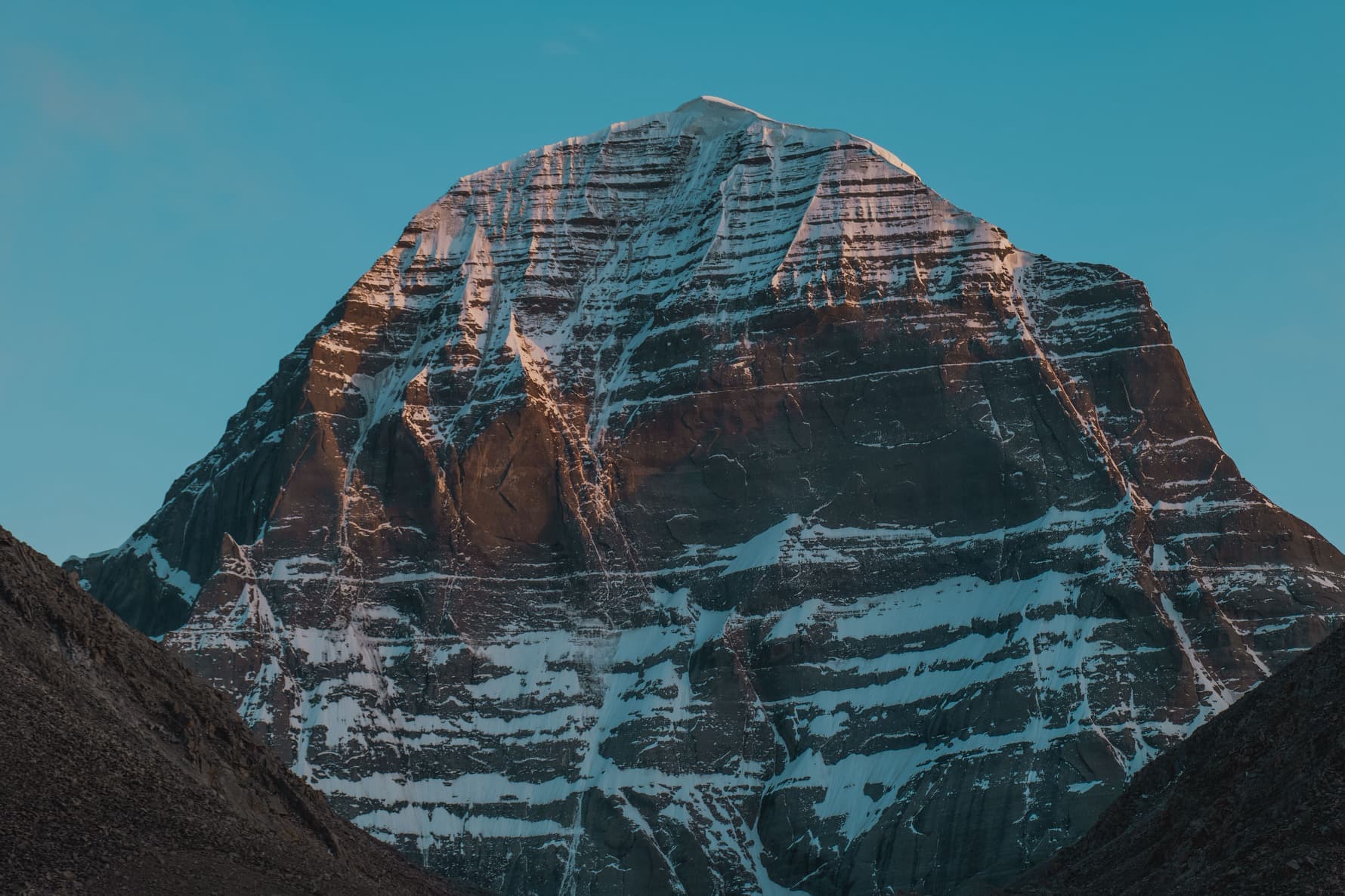
Pilgrimage to Kailash 2027 Year of the Fire Horse

The year 2026 is the Year of the Fire Horse in the Tibetan calendar. For pilgrims, this means that one kora around Kailash is equivalent to twelve ordinary ones. Tradition states that in such a year, the mountain "opens" particularly generously, purification occurs more deeply, and intentions gain strength.
I have guided groups to Kailash multiple times, and each time I meet people who have postponed their trips for decades, waiting specifically for the Year of the Horse. Honestly, I first heard about this from a Tibetan in Darchen: he explained that the number of pilgrims increases exponentially during such seasons, and the atmosphere on the trail becomes denser, as if thousands of intentions intertwine in one space.
In this article, I share specifics: why 2026 is called special, how to prepare physically and mentally, what to bring with you, and when it’s best to go. You will learn how the Year of the Horse differs from others, what risks to consider at high altitude, and how our pilgrimage program to Kailash is structured to ensure you complete the kora mindfully, safely, and fully immersed in the meaning of the journey.
Why 2027 is Special for Pilgrimage
The Year of the Fire Horse in Tibetan Tradition
The Tibetan calendar follows a sixty-year cycle, where each year combines an element (fire, earth, metal, water, wood) with an animal. The year 2026 is the Year of the Fire Horse, མེ་རྟ (me-rta). In Buddhist cosmology, the horse symbolizes the speed of the path to awakening, the wind of luck, and “lungta,” the energy of life force, often depicted on prayer flags.
Fire adds transformation: it burns away the old, clearing space for the new. Together, these elements create conditions in which spiritual practices—be it kora, prostrations, or meditation—manifest results more quickly and fully.
One Kora Equals Twelve: Myth or Tradition?
The formula "1 kora = 12" appears in texts by pilgrims, notes from lamas, and oral tales from guides. The number twelve is not arbitrary; it corresponds to the number of years in the Chinese and Tibetan zodiac cycles. The logic is simple: if the year is special, then every action in it is multiplied by the length of the cycle.
It's important to understand that this is not magical mathematics. Tradition speaks of the quality of intention, not mechanical accounting. One person may walk the kora formally and it will remain just a hike. Another may walk with mindfulness, prayer, and remembrance of the goal, and the effect will be profound in any year.
But in the Year of the Horse, the atmosphere itself helps: thousands of pilgrims with similar mindsets surround you, monks chant sutras at the passes, and the air is thick with mantras. This makes it easier to maintain your own intention and stay focused.
What Lamas and Guides Say
In Darchen, at the foot of Kailash, I heard from locals: "In the Year of the Horse, the mountain feels closer." Not in a physical sense, of course. They mean that the space around Kailash becomes thinner, more permeable, as if the veil between the ordinary and the sacred is thinned.
Lamas from the Drira Phuk monastery (on the kora, at an altitude of 5,000 m) told me that in such years, they conduct more ceremonies because pilgrims come with requests for blessings, initiations, and purification rituals. One lama said to me: "People feel the moment now. If not now, then when?"
Sherpa guides add a practical aspect: in the Year of the Horse, the trail is busier, which means the infrastructure operates more efficiently—guesthouses are open, medical posts are staffed, and rescuers are on standby. On one hand, this is a plus for safety. On the other, you need to book your spots in advance: by May-June 2027, there will be very few openings left in good guesthouses.
Preparing for the Pilgrimage to Kailash
Physical Preparation: Altitude, Load, Reality
The kora around Kailash is 52–56 km (depending on whether you visit monasteries and inner kora). The path ascends from 4,600 m (Darchen) to 5,630 m (Dolma La pass). For most, this means two days of walking with an overnight stay in Drira Phuk at 5,000 m.
Honestly: if you haven’t been active for the past six months, it will be tough. Not impossible, but challenging. Altitude takes away 30–40% of your usual endurance. Breathing becomes difficult, your heart races, and your legs feel heavy. This is not a scare tactic; it’s physiology.
- What to Do:
- Cardio. Start 3-4 months in advance: running, brisk walking, cycling, swimming. Aim for 40–60 minutes without stopping, 3–4 times a week. If you can find stairs or a hill, walk up with a backpack weighing 5–7 kg.
- Long Walks. Once a week, go for 10–15 km with a light backpack. Check your footwear: it should be broken in, comfortable, and provide good ankle support.
- Breathing Practices. Pranayama (full yogic breathing, kapalabhati) helps increase lung capacity and learn to control your rhythm on ascents. This is critical at altitude.
- Strength Exercises. Squats, lunges, planks to strengthen your legs and core. Your back is also important: you will have to carry a backpack weighing 8–10 kg.
What Won't Help:
Short intense workouts (HIIT, CrossFit) focus on power, but not on endurance. At Kailash, you need the ability to walk slowly and for a long time, not explosive strength.
Acclimatization: Why You Shouldn’t Rush
Altitude sickness is no joke. Symptoms include headache, nausea, insomnia, loss of appetite, and dizziness. In severe cases, it can lead to pulmonary or cerebral edema, requiring hospitalization or even resulting in death.
The main rule is to gain altitude gradually. The body needs time to increase the number of erythrocytes (red blood cells that carry oxygen). This process takes days, not hours.
Our pilgrimage route is designed with this in mind: Kathmandu (1,400 m) 2 days for preparation and permit processing. We cross the border and head to Kyirong (2,800 m) for the first night in Tibet at a relatively low altitude. Saga (4,600 m) is the next stop, where the thin air can already be felt. Manasarovar (4,590 m) 1–2 days at the lake, with short walks and rituals. This is a key acclimatization point: you are already at the altitude of the kora, but not under load yet. Darchen (4,575 m) is the base before the kora, where we will spend the night and check our gear one last time. The Kora starts the next day.
In total, it takes 6–7 days between Kathmandu and the beginning of the kora. This is the minimum for safe acclimatization. I have seen groups that flew to Lhasa and started the kora after 3 days; half of them didn’t make it to Dolma La.
Personal Tips: Drink water. 3–4 liters a day. Dehydration worsens altitude sickness symptoms. Eat, even if you don’t want to. Carbohydrates are your fuel. Avoid alcohol and sleeping pills—they depress respiration. Listen to your body. If you have a splitting headache that doesn’t go away, descend. Pride is not worth your health.
Mental Preparation and Intention
The kora is not a tourist trek. It is an inner journey, and the physical difficulty is merely a backdrop. The main events occur in the mind and heart.
Why are you going? Not abstractly ("spiritual growth"), but specifically. To free yourself from old patterns? To close a gestalt with the past? To dedicate the journey to a loved one? To deepen your practice? Write it down. Carry this intention with you with every step of the kora.
- Practice Before the Trip:
- Meditation. At least 10–15 minutes a day. Learn to observe your thoughts without clinging to them. At altitude, when your body aches and your mind is foggy, this skill will help you avoid falling into panic or irritation.
- Mantras. Om Mani Padme Hum is the classic for the kora. Start repeating it now, let it sync with your breath. At the pass, when air is scarce, the mantra will become your anchor.
- Reading. If you are in the Buddhist tradition, reread texts about Kailash, stories of Milarepa, teachings on emptiness. If outside of tradition, read notes from pilgrims (Swami Pranampada, Lama Anagarika Govinda). Let the space of Kailash become familiar before you arrive there.
What to Bring with You (not physically, but in your heart): Patience. For yourself, for the group, for circumstances. Plans change: weather, closed roads, delays at the border. This is Tibet. Humility. The mountain owes you nothing. You come as a guest. Openness. Sometimes the strongest insights come not at the pass, but in a moment when you stumble, fall, cry out of helplessness, and suddenly understand something important about yourself.
What to Bring: Gear and Practical Tips
Clothing and Footwear
-
Layers are your best friend. Weather in Tibet can change in an hour: freezing and windy in the morning, scorching sun during the day, and cold again in the evening.
-
Base Layer: Thermal underwear (top and bottom) made of synthetic materials or merino wool. Do not take cotton; it gets wet and doesn’t dry.
-
Middle Layer: Fleece jacket or lightweight down jacket.
-
Outer Layer: Membrane jacket and pants (Gore-Tex or equivalent) for protection against wind, rain, and snow.
-
Down Jacket: Lightweight, compact, for the evening and night in the guesthouse.
-
Hat, Buff, Gloves: Essential. There can be snow at Dolma La even in June.
-
Footwear: Trekking boots with a membrane, high-cut (for ankle protection). Break them in before the trip; blisters on the kora will turn the journey into a nightmare. A spare pair of lightweight sneakers or sandals for the guesthouse. Gaiters (for sand and snow) are optional but convenient.
-
Trekking Poles:
Don’t neglect them. On the descent from Dolma La, your knees will bear the load; poles can reduce weight by 20–30%. Telescopic, lightweight, with comfortable grips.
Backpack and Miscellaneous Items
Backpack: 30–40 liters, with a hip belt (to relieve shoulder strain). You carry your own items for the kora or hire a yak/porter. We help with arrangements, but you still need a personal daypack for water, snacks, a first-aid kit, and a camera.- What’s inside:
- Sleeping bag: comfort temperature down to −10°C. Guesthouses provide blankets, but your own is more hygienic and warmer.
- Mat (sleeping pad): thin, foam. You can do without it if you sleep in a guesthouse, but it serves as insurance against a cold floor.
- Thermos or hydration pack: 1.5-2 liters. You can fill up water at guesthouses, but it’s better to have a reserve.
- Wide-mouth water bottle: convenient for filling from streams, boiling water.
- Headlamp: the ascent to Dolma La often starts at 4-5 am, in the dark.
- Sunglasses: category 3-4, UV400. The sun at high altitudes is merciless, snow blindness is a real risk.
- Sunscreen: SPF 50+, for face, lips, ears, neck.
- Hygiene: wet wipes (no shower water), toilet paper, antibacterial gel.
- Trash bags: carry your waste with you. Tibet suffers from pilgrim litter, please be respectful.
First aid kit: minimum for altitude
We bring a basic first aid kit, but personal insurance is your responsibility.
- Essential:
- Diamox (acetazolamide): prevention of altitude sickness. Start a day before ascending, check dosage with your doctor.
- Ibuprofen or paracetamol: for headaches, inflammation.
- Loperamide (Imodium): for diarrhea. Water and food in Tibet carry risks.
- Rehydration salts: in case of stomach issues.
- Band-aids, gauze, antiseptic: for blisters, cuts, scrapes.
- Elastic bandage: in case of sprains.
- Personal medications: if you have chronic conditions, bring a double supply.
Optional: Oxygen canister for emergencies. We always bring one, but having your own could be helpful. Eye drops (artificial tears) for dry air. Lip balm with SPF, as lips can crack instantly.
Electronics and communication
-
Phone: in Tibet, Chinese SIM cards are available, but connectivity on the circuit is almost non-existent. In Darchen, Wi-Fi is available in some guesthouses.
-
Power bank: at least 20,000 mAh. Charging in guesthouses is unstable.
-
Camera: if photography is important, bring spare batteries as they drain quickly in the cold.
-
Satellite tracker (optional): Garmin inReach or similar. For communication in emergencies. We carry one, but if you are going solo, it’s critical.
Route and logistics of the pilgrimage
Visa, permit, and documents
- Chinese visa: a group tourist visa is required (not individual). It is arranged through a travel agency; it cannot be obtained independently at the embassy for Tibet.
- Tibet Travel Permit (TTP): the main document. Without it, you won’t be allowed into Tibet. It is arranged through a Chinese agency 3-4 weeks in advance. We handle this for you; you only need to send us scans of your passport and application form on time.
- Alien's Travel Permit: for traveling to remote areas (including Kailash). It is arranged in Lhasa or at the border and takes a day.
- Military Permit: for the area near the Indian border (Kailash region). Also arranged through us.
- In total: you send us the documents, and we compile the permit package. You will receive it in Kathmandu before your flight or at the border.
- Important: the process might take longer if the political situation is tense (anniversaries of uprisings, visits from the Dalai Lama). Allow extra time and submit your application at least 2 months in advance.
How we travel: from Kathmandu to Kailash
Our pilgrimage program starts in Kathmandu. From there:
-
Flight or transfer to the Nepal-Tibet border (Rasuwagadhi / Gyirong). Earlier, we used to fly to Lhasa, but now the overland route through Nepal is often more reliable and provides better acclimatization.
-
Gyirong (2,800 m): first night in Tibet, relatively low, getting used to the altitude.
-
Saga (4,600 m): the next point, where the altitude is already noticeable.
-
Manasarovar (4,590 m): sacred lake, 1-2 days. Here we perform puja, ritual bathing (if the weather permits, the water is icy). This prepares us for the kora, both physically and energetically.
-
Darchen (4,575 m): base at the foot of Kailash. We spend the night and set out for the kora in the morning.
- Kora:
- Day 1: Darchen → Dirapuk (monastery at an altitude of 5,000 m). ~20 km, 6-8 hours. The path is gentle but long. We spend the night in a guesthouse at the monastery with spartan conditions: bunks, a stove, and an outdoor toilet. However, the view of the northern face of Kailash is fantastic.
- Day 2: Dirapuk → Dolma La Pass (5,630 m) → Zutulpuk (4,790 m). ~22 km, 8-10 hours. The toughest day: the ascent to the pass begins in the dark, it’s cold and there’s little air. At the summit, there is Gauri Kund Lake (sometimes frozen), prayer flags, and pilgrims leave personal items as a sign of renunciation of the past. The descent is steep, rocky, and requires concentration. Zutulpuk is a cave where Milarepa meditated; the guesthouse is nearby.
- Day 3: Zutulpuk → Darchen. ~14 km, 3-4 hours. Easy descent, the valley is wide, sunny, and a relief. By lunchtime, we return to Darchen, shower (finally!), and rest.
After the kora, we return through Manasarovar, Saga, Gyirong, and Kathmandu. The entire trip takes 12-14 days.
When to go: seasons and weather in 2027
-
Best time: May-June and September-October.
-
May-June 2027: snow on the pass has already melted, daytime temperatures are +10…+15°C on the kora, at night −5…0°C. Clear skies, excellent visibility. Downsides: many pilgrims (the Year of the Horse!), guesthouses are crowded. Upside: the atmosphere is vibrant, and the energy of collective intention is palpable.
-
July-August: rainy season. Cloudy, foggy, roads are washed out, and views of Kailash are obscured. Not recommended.
-
September-October 2027: after the rains, the air is clean and the skies are blue. Fewer pilgrims than in spring. Night temperatures are already −10°C, but it’s comfortable during the day. A good option if you missed spring.
-
November-April: winter. Extremely cold (down to −30°C at night), snow on the pass, many guesthouses are closed. For the experienced and frost-resistant.
-
Our dates in 2027: we plan groups for May-June 2027 (since as of August 2027, the spring season in 2026 has already passed) and
-
September 2027. Details and registration on the tour page.
Budget: how much the pilgrimage costs
Our package includes: all permits and visa support. Transport from Kathmandu to Kathmandu (jeeps, transfers). Guesthouses in Tibet (simple, clean, and vetted). Meals on the way (breakfasts, lunches, dinners featuring Tibetan and Nepali cuisine; simpler on the kora). Guide, support, translator. Group first aid kit, oxygen. 24/7 support.
- Not included: Airfare to Kathmandu. Insurance (mandatory! get coverage for altitudes up to 6,000 m and evacuation). Personal expenses (souvenirs, extra snacks, tea in guesthouses). Porters/yaks for the kora (if you want, we can organize, ~$50-80 per animal for 3 days).
- Approximate cost of the package: $2,500–3,500 per person (depends on group size, season, currency exchange rates). Check the current price on our website.
- Additional expenses: Nepal visa: $50. Insurance: $100–200. Personal gear (if you don’t have everything): $200–500. Pocket money: $100–300.
- Total estimated: $3,000–4,500 per person for the complete trip, including tickets and preparation.
Risks and how to minimize them
Altitude sickness: symptoms and actions
I mentioned this before, but I’ll repeat: this is the main risk. Symptoms: Mild: headache, slight nausea, fatigue, insomnia. Normal for the first days at altitude. Moderate: severe headache (not relieved by tablets), vomiting, dizziness, breathlessness at rest, weakness. Severe: confusion, loss of coordination (you can’t walk straight), cough with pink sputum (pulmonary edema), loss of consciousness (cerebral edema).
- What to do: Mild: stop, rest, drink water, take ibuprofen. Do not ascend further until symptoms pass. Moderate: descend to a lower altitude. Even 300-500 m down can provide relief. Diamox, oxygen. Severe: immediate descent + evacuation. This is a life-threatening condition.
- In our group: the guide is trained to recognize symptoms. We carry oxygen and pulse oximeters (to measure the percentage of oxygen in the blood). If the situation is critical, a helicopter can be arranged from Darchen to Kathmandu (insurance must cover this).
- Prevention: Acclimatization (don’t rush). Diamox (as prescribed by a doctor). Hydration. Slow pace on the kora: it’s a marathon, not a sprint.
Pilgrimage to Kailash 2027: Year of the Fire Horse
Kailash 2027: maximum spiritual purification

The pilgrimage to Kailash is a profound spiritual trial, not just a physical trek. The year 2027 has been declared the Year of the Fire Horse, and it changes a lot. The energy of this period enhances inner work: purification occurs on a deeper level, and each step on the kora feels different.
You’re not just approaching a sacred mountain; you’re passing through your own boundaries, freeing yourself from old grievances, and finding a connection with higher forces that stays with you afterward.
Significance of the pilgrimage to Kailash in the context of the Year of the Fire Horse
The Year of the Fire Horse symbolizes ambition, freedom, and powerful life force. It’s a time to overcome challenges and pursue your goals with special enthusiasm. Honestly, in our groups, we see how this energy helps people traverse sections of the kora that would seem impossible in an ordinary year.
The pilgrimage to Kailash during this period becomes an opportunity for: deep self-discovery and release from old grievances. Reevaluation of life priorities. Attaining inner peace and harmony.
The energy of the Fire Horse supports your efforts and inspires new achievements; in practice, this manifests as physical difficulties receding before inner determination.# Journey to the Sacred Mountain Kailash
Traveling to the sacred Mount Kailash in the Year of the Fire Horse creates unique conditions for spiritual growth. Here are some key points to consider:
Meditations and Rituals: It is recommended to practice meditation throughout the pilgrimage to fully benefit from the energy of the year. Even short practices in the morning before starting the daily trek can have a noticeable effect.
Connection with Nature: Take time for mindful interaction with the environment around you. Sometimes, simply stopping to gaze at the mountains and feel how the space around you breathes can help open new horizons in your consciousness.
Reading Mantras: Mantras spoken along the way strengthen your connection with higher powers and facilitate mental clarity. Many pilgrims report that after a few days of repeating a mantra, it begins to resonate effortlessly.
Recommendations for Preparing for the Pilgrimage
Preparing for the pilgrimage to Kailash requires careful planning. Here’s what I recommend based on my experience assisting groups:
Physical Preparation: Start training early, including hiking and exercising to improve endurance. At least two months before departure, incorporate stair climbing with a backpack weighing 5–7 kg to prepare your legs and breathing for high-altitude challenges.
-
Documents and Visas: Check the visa requirements for traveling to Tibet (depending on your route). Ensure that your passport is valid for at least 6 months from the date of entry. For the route through Nepal, a Nepalese visa (available upon arrival) is required; for the route from Lhasa, you’ll need a Chinese visa and a Tibet permit (which we arrange for the group in advance).
-
Budget: Estimate your total expenses (flight, accommodation, food, excursions):
- Flight: from 30,000 to 100,000 rubles depending on the destination (Kathmandu or Lhasa).
- Accommodation: from 1,500 to 5,000 rubles per night (conditions in Tibet are more modest than in Nepal).
- Food: about 1,000 rubles per day per person (options are limited at high altitudes, but the food is nutritious). For the cost of the program with a guide and logistics, see Kailash: Sacred Kora from Lhasa.
-
Hidden Expenses: Be sure to budget for additional excursions or guide services (if you wish to visit monasteries outside the program). Consider possible medical expenses and insurance (mandatory; choose a policy that covers high-altitude trekking). Add 5,000–10,000 rubles for unforeseen situations (weather delays, equipment replacement).
-
Savings Tips: Book tickets and accommodation in advance to get the best deals (3–4 months before departure prices are 20–30% lower). Travel in a group to help reduce transportation and accommodation costs (group transfers are significantly cheaper than individual ones).
By preparing for the pilgrimage to Kailash with these recommendations in mind, you will be able to maximize the opportunities provided by the Year of the Fire Horse. Immerse yourself in the sacred atmosphere and discover new horizons on your spiritual path.
For more detailed information on routes and programs such as Kailash: Sacred Kora from Lhasa and Kailash via Nepal: Kora with Gosainkunda, please visit our website.
Saga Dawa Festival at Kailash in 2027

History and Significance of the Festival
Saga Dawa is the main festival of the Tibetan Buddhist calendar, celebrated in the fourth lunar month. It is dedicated to three significant events: the birth, enlightenment, and passing into parinirvana of Buddha Shakyamuni. For Buddhists and followers of Bon, this is a time of renewal and deep purification.
In 2027, the festival falls in the Year of the Fire Horse, which gives it special power: it is believed that the merit from each good deed is multiplied a thousandfold. Pilgrims from around the world strive to complete the kora around Kailash during these weeks to enhance their practice and enter the flow of collective prayer.
How the Festival Affects Pilgrims and Their Experience
Being at Kailash during Saga Dawa is more than just a physical journey. Honestly, the atmosphere changes: thousands of Tibetans and Mongolians walk the kora with flags, chanting mantras, and lighting incense at the Dolma La pass. Our group members note that the shared practice creates a sense of unity that is hard to put into words.
You will witness: communal rituals of prostrations and offerings at the Dirapuk and Dzutrulpuk monasteries. Night prayers under the open sky, where stars and campfires merge into one space. Immersion in a living tradition, not from books, but from cultural bearers who share tea and stories along the trail.
This experience transforms one’s inner state: many return with the feeling of having found a point of support.
Important Dates and Events
The Saga Dawa celebration spans a month; key moments in 2027 include:
- 1st Day of Saga Month: opening of the festival with communal prayers at the foot of the mountain, installation of new lungta (prayer flags).
- 15th Day (full moon): peak of the festival: main offerings, round-the-clock rituals at Chuku and Gyandrak monasteries, mass kora.
- 30th Day: closing: thanksgiving prayers, burning of incense, purifying rituals before the long journey ahead.
Please check the exact dates according to the lunar calendar and in the program Kailash: Sacred Kora from Lhasa as we synchronize the route with key events so you don’t miss anything.
Hidden Expenses
Beyond the main tour, consider: Donations at monasteries are voluntary, but it is customary to leave 50–100 yuan. Porters or yaks for carrying luggage on the kora if altitude proves challenging (1,500–2,000 yuan for the entire circuit). Medical insurance covering high-altitude routes and helicopter evacuation is crucial; don’t skimp on this point. Souvenirs: dzi stones, prayer beads, thangkas are more expensive on-site than in Lhasa, but they carry a different energy.
Savings Tips
To make the pilgrimage more comfortable without extra costs:
- Book the tour 4–6 months in advance: plane tickets to Tibet become more expensive closer to summer, and permits cannot be obtained overnight.
- Team up with fellow travelers within the group to hire porters or rent a jeep for short transfers to share costs.
- Bring a thermos and energy bars from Kathmandu or Lhasa: options at guesthouses on the kora are limited, and prices are three times higher.
- Use a local SIM card (China Mobile) instead of roaming; there is signal in the Barkha Valley, and this is cheaper.
By preparing with these nuances in mind, you will be able to focus entirely on what truly matters: on practice, on the mountain, on your inner journey. The Year of the Fire Horse opens a rare window of opportunities—use it consciously.
Details about routes and current schedules can be found in the programs Kailash: Sacred Kora from Lhasa and Kailash via Nepal: Kora with Gosainkunda. We will be happy to answer your questions.
Logistics of the Pilgrimage: How to Get to Kailash

The pilgrimage to Kailash is not only a spiritual journey but also a serious logistical challenge. Altitude, remoteness, border formalities—all of this requires careful preparation. I share what has been tested in practice with our groups.
Overview of Routes and Available Modes of Transport
By Plane: The fastest option is to fly to Lhasa (Tibet) or Kathmandu (Nepal). From Lhasa, you will travel by land across the plateau; from Kathmandu, you will cross the border into Kyirong or Zhangmu. Book tickets in advance: prices rise in April–May and August–October 2027, and seats fill up quickly.
By Bus: There are regular buses from Lhasa or Shigatse to Partok (Darche). The journey takes 12–15 hours, sometimes longer depending on weather and road conditions. Comfort is minimal, but it is budget-friendly.
By Off-Road Vehicle: Renting a Land Cruiser with a driver is standard for organized groups. This offers the freedom to stop, set your pace and schedule, and carry your gear and water supplies. In a group of four, the cost per person is reasonable, and safety is higher.
Transfer Points and Key Stops
Lhasa: You will spend two to three days acclimatizing here (altitude ~3,650 m). I recommend visiting Potala and Jokhang—not just for the sake of it, but to attune yourself and feel the energy of Tibetan Buddhism before the kora. In our programs, we allocate time for a calm acclimatization process, which is crucial.
Shigatse: A midway point (~3,800 m). Here you can buy trekking supplies, thermal underwear, batteries (the selection will be more limited further on). Tashilhunpo Monastery is worth a visit if time allows.
Partok (Darche): The last village before starting the kora. Stock up on bottled water, energy bars, and fruits (if you can find any). Further along the route, infrastructure is minimal: guesthouses exist, but the selection is limited.
Preparation Recommendations
Visa and Permits: To enter Tibet, you need a Chinese visa plus a special permit (Tibet Travel Permit), which can only be arranged through a travel agency. We handle all formalities as part of the program from Lhasa or the route through Nepal. The processing time is about three weeks, so plan ahead.
Physical Preparation: The kora takes place at altitudes of 4,600–5,630 m. Even if you are in good shape, the altitude can affect you. Start cardio exercises (running, cycling, skiing) two to three months before the trip, and include long walks with a backpack weighing 8–10 kg. If possible, train in mountains over 3,000 m for optimal preparation.# Gear
Here’s what has been tested in real conditions for the Kora: trekking boots with a stiff sole and ankle support (well-broken in!); thermal underwear, fleece, down jacket—temperatures at night can drop to -10 °C even in summer; a waterproof jacket and pants for rain and wind; trekking poles—they really help at the Drolma-La Pass; sunglasses rated 3-4, SPF 50+ cream, lip balm; first aid kit: Diamox or a similar remedy for altitude sickness (after consulting with a doctor), pain relievers, band-aids, antiseptic; headlamp with spare batteries; thermos (0.75-1 L) hot tea on the way is invaluable.
Budget (approximately for 2027)
Air tickets Moscow-Lhasa (with a layover): 500-900 USD depending on the season; bus Lhasa-Partok: 50-80 USD; rental of an SUV (for a group of 4 people, including driver and fuel): ~200-250 USD per person for the entire trip; accommodation: guesthouses in Partok and along the Kora 20-40 USD/night, hotels in Lhasa 50-120 USD/night; food: 15-30 USD per day (more options in Lhasa, simpler on the Kora); permits and fees (Tibet Travel Permit, Alien's Travel Permit, permit for Kailash): included in the cost of an organized tour, approximately 100-150 USD if done independently.
Honestly, organizing it independently will require time, nerves, and knowledge of nuances (language barrier, changing entry regulations, logistics at altitude). In our groups, we cover the entire cycle from visas to acclimatization and have a guide who knows every turn of the trail.
If you are preparing for the Year of the Fire Horse in 2027, I recommend starting your planning now: demand for spring and autumn windows is high, spots in groups and hotels get booked out months in advance. Details about the routes can be found in the programs Kailash: Sacred Kora from Lhasa and Kailash via Nepal: Kora with Gosainkunda.
Safety During the Pilgrimage

The pilgrimage to Kailash is a spiritual journey that requires serious physical preparation. Altitude, weather, and load are all real factors, and you need to approach them honestly. Below are the experiences of our groups and recommendations that will help you complete the Kora safely.
Main Risks and How to Mitigate Them
Altitude Sickness
Kailash is located at an altitude of 6638 m, and the Kora itself takes place at 4500-5630 m. The body needs time to adapt. We always allocate several days for acclimatization in Lhasa, Shigatse, or Kathmandu, depending on the route. Don’t rush, give your body time to adjust.
Physical Load
The Kora is 52-56 km on foot over three days, with the Drolma-La Pass (5630 m). If you haven’t trained, it will be difficult. Start walking with a backpack, climbing stairs, and doing cardio two to three months before your trip. This really helps in practice.
Weather
Even in summer, there can be snow, wind, and sharp temperature fluctuations at high altitude. Keep an eye on the forecast and listen to your guide. We always have a backup day in the group in case of bad weather—safety is more important than schedule.
Health and Acclimatization
Before the Trip
Make sure to undergo a medical examination. If you have heart, blood pressure, or lung issues, consult a doctor and get permission for high-altitude activities.
Water
At altitude, the body loses moisture faster. Drink 3-4 liters of water a day, even if you don't feel thirsty. Dehydration worsens the symptoms of mountain sickness.
Signs of Altitude Sickness
Headache, nausea, weakness, dizziness. If you feel any of these symptoms, tell your guide immediately. Sometimes just resting and drinking water is enough, while at other times, you may need to descend. Don’t try to be a hero; it’s better to be safe.
Gear and Clothing
Footwear
Trekking boots with good ankle support, waterproof, and well-broken in. Don’t take new boots; they will rub your feet on the first day.
Clothing (Layering)
Thermal underwear (moisture-wicking, not cotton)
Fleece jacket or thin down jacket
Waterproof jacket (for wind, rain, snow)
Warm gloves, hat, buff
Trekking pants + rain jacket for them
What Else to Bring
First Aid Kit: pain relievers, altitude sickness medication (Diamox, ibuprofen), band-aids, antiseptic
Sunscreen SPF 50+ and lip balm—the sun at altitude burns instantly
Flashlight or headlamp (lights may go out in guesthouses)
Trekking poles are very helpful on ascents and especially on the descent from Drolma-La
Budget and Hidden Costs
If you are traveling independently, consider:
- Plane Tickets: 300-800 USD depending on the season and departure point
- Buses within the region: 40-70 USD per route
- Accommodation: from 20 USD (guesthouse) to 100 USD (city hotel) per night
- Visas and Permits: China, Tibet around 150-200 USD in total
- Food: 10-20 USD a day
- Porters, Yaks (if needed): from 50 USD a day
Honestly, organizing an independent trip to Tibet is complicated: group visas, accompanying guides, and transportation with permits are required. We at Jay Shambo include all of this in our program: Kailash: Sacred Kora from Lhasa and Kailash via Nepal: Kora with Gosainkunda, and you can follow the route without worrying about logistics.
Prepare in advance, listen to your body, trust your guide, and Kailash will reveal itself in all its power, especially in 2027, the Year of the Fire Horse, when the mountain's energy is greatly amplified.
Pilgrimage Budget: What to Consider

The pilgrimage to Kailash is a journey where inner readiness meets quite earthly expenses. To ensure you can focus on the Kora and altitude rather than finances while on the road, it’s worth estimating your budget in advance and understanding where you can save without compromising your experience.
Sample Travel Expenses
- Air Tickets: from 300 to 800 USD depends on your departure city and how early you start searching. Flights from Moscow through Kathmandu or Lhasa are usually cheaper than through Beijing.
- Buses and Transfers in Tibet: 40-70 USD per segment. If you’re traveling in a group, we can arrange a shared minibus for more comfort and not more cost.
- Accommodation: from 20 USD per night in a guesthouse to 100 in a three-star hotel in Lhasa. Options along the Kora are simpler, often tea houses, sometimes tents.
- Food: 10-30 USD a day. Tibetan cuisine is hearty and inexpensive; in tourist areas, prices are higher but still manageable.
- Visa and Permits: 50-100 USD (depends on the route through Nepal or China). We arrange all the necessary permits in advance; you just need to provide the documents.
- Additional Costs: souvenirs, bottled water (you need to drink a lot at altitude), small donations at monasteries. Allow another 50-100 USD for unexpected expenses.
How to Save Without Losing Quality
- Fly Off-Peak: May and September are peak months, and tickets become more expensive. June or early July often has better prices, and the weather is still good.
- Group Programs: when you travel with us, we handle logistics and negotiations, which is almost always cheaper than organizing everything independently.
- Public Transport in Cities: taxis in Lhasa are cheap, but if you live close to the center, you can walk, which also helps with acclimatization.
- Eating at Local Cafés: momo, thukpa, Tibetan tea with butter is filling, tasty, and much cheaper than tourist restaurants. Don’t buy water in monasteries; bring a thermos and boil it. This is also safer at altitude.
Budget Planning Opportunities
Open a Separate Account or envelope where you set aside a fixed amount each month. This way, by the time of departure, there won't be any stress.
- Plan 4-6 Months Ahead: it's cheaper to book air tickets and hotels in advance. We usually open registration for the season in the fall of the previous year.
- Watch for Sales: airlines periodically lower prices for flights to Asia. Sign up for notifications; sometimes you can save up to 30%.
- Currency: dollars or yuan. There are ATMs in Lhasa, but rarely beyond that. Cash is essential.
Honestly, Kailash doesn’t require huge amounts of money but does require attention to detail. When the budget is clear and allocated, you feel freer on the road and can fully immerse yourself in the main focus—the Kora and your encounter with the mountain.
Details about routes, included services, and exact prices can be found in the programs Kailash: Sacred Kora from Lhasa and Kailash via Nepal: Kora with Gosainkunda. We are always available if you need assistance with calculations.
FAQ

What documents are needed for the pilgrimage to Kailash? A passport valid for at least six months from the date of entry. A visa for China (arranged in advance; not issued upon arrival for Russians). A permit to visit Tibet (Tibet Travel Permit); it can only be obtained through a tour operator and cannot be obtained independently. A medical certificate is not formally required but is useful to have for yourself, especially if you have chronic illnesses.
What is the physical preparation for the Kora? Start training 2-3 months in advance: regular walks with a backpack (8-10 kg) over rough terrain, stair climbing, light jogging. Swimming, biking, Nordic walking—anything that builds endurance and strengthens your legs, back, and knees. If possible, take a weekend trip to the mountains at altitudes of 2500-3000 m to see how your body reacts to thinner air. Honestly, the Kora is manageable for most healthy people, but the better your shape, the easier it will be to cross the Drolma-La Pass (5630 m).# What are the living conditions during the pilgrimage?
On the kora route, you will find tents or modest guesthouses with bunks; please bring a sleeping bag (warm, rated for -10 °C) or check with the operator. In Lhasa and Kathmandu, there are regular hotels with amenities; at high altitudes, expect shared toilets, and showers are rare (wet wipes and dry shampoo will come in handy). Electricity is not available everywhere; bring a power bank and a headlamp.
What is the average duration of the pilgrimage at Kailash?
The kora itself takes 3 days on foot (52–54 km); it is possible to complete it in 1 day if you are in excellent shape, but this is extreme and not suitable for acclimatization. The full itinerary, including flights, acclimatization in Lhasa, and the journey to and from Darchen, takes 12–16 days. We recommend not to rush: spend a day or two at Lake Manasarovar, allowing time for adaptation so that the kora can be completed more comfortably and safely.
What are the dietary features during the kora?
The staples are rice, noodles, vegetables, dal (lentils), and momo (dumplings); there is little or no meat, as Tibet is traditionally vegetarian. Guesthouses prepare simple but hearty meals; yak butter tea (in Tibetan style) is an acquired taste, but it warms you up. Bring along snacks: nuts, dried fruits, energy bars, and chocolate, as your body will crave quick carbohydrates at altitude. Drink only boiled or filtered water; purification tablets or a portable filter are a good safety measure.
How to behave in case of bad weather on the route?
Weather in the mountains can change rapidly: sunny in the morning, snow in the afternoon; a waterproof jacket, a rain cover for your backpack, and a warm layer should always be on hand. If it starts snowing or there are strong winds, do not push on; wait it out in shelter; health is more important than the schedule. Pay attention to the well-being of the group and yourself: headaches, nausea, or shortness of breath are signals that you need to rest or descend to a lower altitude. The guide is always in touch; in our groups, decisions about continuing or stopping are made together, without pressure.
The pilgrimage to Kailash is a meeting with yourself, with silence, and with a power that cannot be described in words. Prepare physically and mentally in advance, and you will experience every step of the kora as a gift. Read more about the routes here: Kailash: Sacred Kora from Lhasa and Kailash via Nepal: Kora with Gosainkunda.