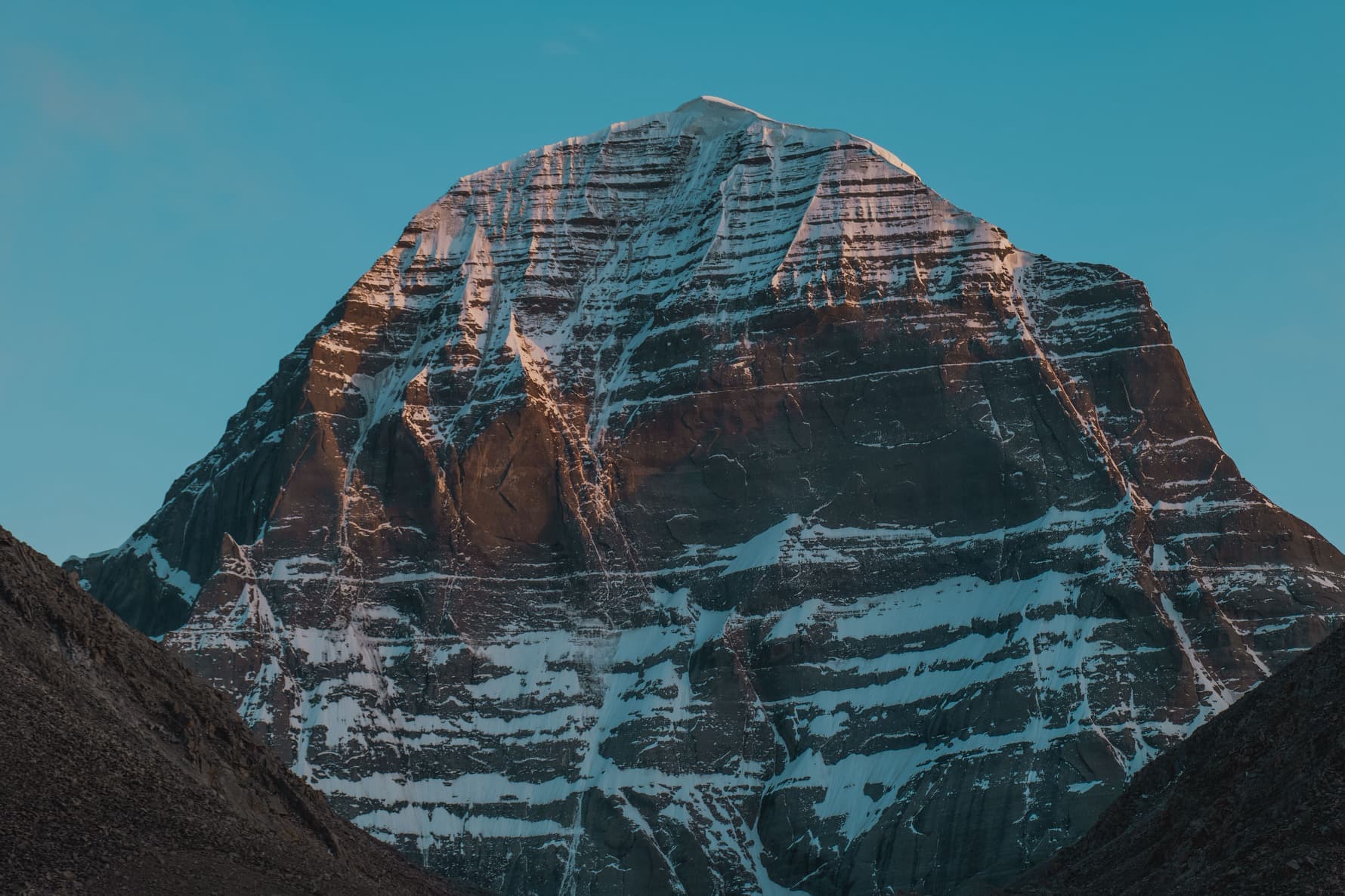
Kora Around Kailash: With a Guide or Independently

Kailash is one of the few peaks in the world where you cannot simply buy a ticket and arrive. China requires a group permit, and the Tibet Travel Permit is only valid for organized tours; independent travelers are not allowed at the Tibet border. So, right from the start, you face a choice: join an existing group with a set route and logistics or try to gather a small "formal" group, obtain the permit, and then proceed on your own.
I have led groups to Kailash for over ten years and have seen how both scenarios work. I have witnessed the benefits of an experienced guide and know the challenges faced by those who go unsupported. In this material, I will explore the practical aspects of each approach: logistics, safety, acclimatization, budget, and nuances that are rarely mentioned in guidebooks. I won't convince you of a single correct solution; I will simply show what to expect so you can choose the format that aligns with your capabilities and expectations for the pilgrimage.
What is Kora and Why Kailash Requires Preparation
Kora is a ritual circumambulation of the sacred site in a clockwise direction. For Buddhists and Hindus, circling Kailash means purifying karma and drawing closer to enlightenment; for Bon practitioners, the path is taken counterclockwise, but the essence remains the same—inner work through bodily movement in a space of high energy.
The distance of the outer kora is about 52–56 km, depending on where you start counting. Elevation profile: starting in Darchen (4,560 m), ascending to the Drolma-La Pass (5,630 m), then descending into the valley. Usually, pilgrims complete it in two to three days, staying in guesthouses or tents. Physically, this is not climbing or trekking in the classical sense—the trail is well-trodden, and no special techniques are required. However, the altitude, elevation change, weather, and pace make kora a serious challenge for the body.
- What to Pay Attention To:
- Altitude. Even the starting point is nearly 4,600 meters. Most people without acclimatization will start experiencing shortness of breath, headaches, and weakness right here. The Drolma-La Pass is higher than Everest's base camp; the air contains about half the oxygen compared to sea level.
- Acclimatization. A safe kora requires at least a week of preparation in Tibet: gradual elevation through Lhasa (3,650 m), Shigatse (3,850 m), and overnight stays in Saga or Paryang. A sudden jump from Kathmandu or Chengdu directly to Darchen is a direct path to altitude sickness.
- Weather. Summer (June–September) is the rainy season, with muddy trails and fog. Winter (December–February) brings frosts down to −30 °C, snow, and closed guesthouses. The optimal window is May and October, but even then, temperatures can drop below zero at night, and hail can catch you during the day.
- Logistics. Darchen has guesthouses, shops, and equipment rental points. However, further along the kora route, infrastructure is minimal: a few tea houses, two or three accommodation options. If something goes wrong (injury, altitude sickness, loss of pace), help is far away.
Honestly, even well-prepared individuals at Kailash can encounter unexpected difficulties. Altitude does not forgive mistakes, and here the emphasis is not on heroism but on a sober assessment of one's strength and capabilities.
Kora with a Guide: What Accompaniment Provides
When you travel as part of an organized group on a Kailash pilgrimage, a team works alongside you: a guide, a driver, often a cook, and an assistant. This is not just comfort; it is a safety system built over years of experience.
Acclimatization
A well-planned route begins in Lhasa and ascends gradually: a day in the capital (3,650 m), transfer to Shigatse (3,850 m), overnight in Saga (4,600 m) or Paryang (4,500 m). By the time the group arrives in Darchen, the body has already adapted to the thin air. The guide monitors each participant's well-being, adjusts the pace, and organizes an additional rest day if necessary.
In our groups, we had a protocol: an evening check with a pulse oximeter, a questionnaire about symptoms (headaches, nausea, insomnia), and monitoring hydration. If someone's saturation dropped below 75% at rest or signs of pulmonary edema appeared, we would descend the person; no heroic "I will make it, no matter what." Altitude does not forgive ambition.
Logistics and Permits
The Tibet Travel Permit, Alien's Travel Permit, Military Permit—all documents are arranged by the agency before your arrival. You simply provide scanned copies of your passport and visa (if required) about a month to a month and a half before the start. The group meets you at the airport in Lhasa or at the border in Gyirong, and all transfers, accommodations, and meals follow a pre-agreed plan.
On the kora itself, this means: tents or guesthouse rooms are reserved, hot lunches are prepared at the stops, and if necessary, a horse or porter carries your backpack. You walk lightly, with just a small daypack, water, and snacks. If you get tired, you can ride part of the way on a yak or horse (this service is available along the route, and the guide will arrange it on-site).
Safety
Altitude sickness develops rapidly: in the morning, a person feels fine, but after a couple of hours ascending, a severe headache, vomiting, and disorientation can begin. An experienced guide recognizes the early signs and makes decisions: slow the pace, provide Diamox, turn the group around, or evacuate the participant down.
In 2027, we had a situation approaching Drolma-La: one participant began experiencing acute mountain sickness, saturation dropped to 65%, and breathing became wheezy. We halted the ascent, provided oxygen from a tank (I always bring one with me), called for a horse, and accompanied her down. By evening in Darchen, she had recovered, but had she continued, the consequences could have been critical.
The guide also knows where the medical points are along the route (there are few, but they exist), how to contact the base, and where to get help. Independent pilgrims, especially foreigners, often do not speak Chinese, are unaware of protocols, and lose precious time in emergency situations.
Cultural Context
Kailash is not just trekking; it is a pilgrimage. Every stone, every prayer flag, every ritual has meaning. A guide (especially if they are a Buddhist themselves or well acquainted with the tradition) explains the significance of the lungta flags, why pilgrims prostrate themselves along the way, what the Gauri-Kund lake means, and what offerings are customary at the pass.
You do not just cover 52 kilometers; you immerse yourself in a living tradition that has existed for thousands of years. This deepens the experience, transforming kora from a physical achievement into a spiritual journey.
Practical Checklist: What is Included in Standard Accompaniment
Processing of all permits (Tibet Travel Permit, Alien's Travel Permit, Military Permit). Acclimatization route with gradual elevation gain (Lhasa → Shigatse → Saga/Paryang → Darchen).
- Transport: Comfortable jeep or minivan with oxygen tanks, first-aid kit, and radio communication.
- Accommodation: Hotels in cities, guesthouses, or tent camps on the kora.
- Meals: Breakfast and dinner (usually Tibetan or Chinese cuisine), hot lunch at stops. The cook prepares on-site, catering to dietary needs (vegetarians, allergies).
- Guide: An English-speaking (or Russian-speaking, in our case) guide, knowledgeable about the route, medical protocols, and traditions.
- Medical Support: First-aid kit, pulse oximeter, oxygen tanks, communication with medical points. Porters/yaks (optional): carrying heavy backpacks, and the option to ride part of the way on a yak.
- Cultural Program: Visit to the Drira-Puk and Zutul-Puk monasteries, Manasarovar lake, explanation of rituals.
All of this is included in the Kailash pilgrimage package and frees you from organizational hassles. You can focus on your inner process rather than searching for accommodation or solving transport issues.
Independent Kora: Real Possibilities and Limitations
Strictly speaking, a "fully independent" kora does not exist. China does not issue individual Tibet Travel Permits; they are only available for groups of two or more, and always through an accredited agency. Thus, the minimal scenario is to gather a small group (at least one more person), order a permit, a driver, and formal accompaniment to Darchen. After that, you can try to go on your own.
What You Need to Do Before Starting
- 1. Find Travel Companions. If you are alone, you will need at least one more person (a friend or a random companion from travel forums). A group of two or three is the minimum for obtaining a permit.
- 2. Process Permits Through an Agency. Even if you do not want full accompaniment, a licensed company must still arrange the permit. This usually costs €300–500 per person (excluding transport and accommodation). The documents must be submitted 15–20 days before entering Tibet.
- 3. Organize Transfer. Public transport cannot reach Darchen without a permit. The agency will provide a driver and vehicle as part of the condition. The journey from Lhasa to Darchen takes two to three days, with overnight stays in Shigatse and Saga. You can arrange for the driver to drop you off in Darchen and leave, but you will also need to book a return transfer.
- 4. Acclimatization. If you fly to Lhasa from Kathmandu or Chengdu, a sudden ascent to 3,650 m is already dangerous. You need a minimum of two days in the capital, followed by a gradual elevation gain. Skipping this stage almost guarantees altitude sickness by the time you start the kora.
- 5. Gear. A tent (if you plan to camp outside guesthouses), a sleeping bag rated for at least −10 °C, a mat, a burner, gas (purchased in Lhasa or Darchen), food supplies, and a first-aid kit with Diamox, pain relievers, and anti-diarrheal medication. A pulse oximeter is highly recommended.
- 6. Knowledge of Chinese or Tibetan. Almost no one speaks English along the route. If you get lost, need help, or want to negotiate accommodation, doing so without a language can be challenging. A phone translator works poorly (communication at high altitudes is unstable).
Risks and Real Challenges- Altitude sickness without support. If symptoms begin while climbing to Dolma-La and you are alone or with an inexperienced companion, help may arrive too late. Mobile connectivity at the pass is not always available, and calling for rescuers can be problematic. Tibetan pilgrims will assist if they see you’re in distress, but they don’t have medical training.
- Weather. A snowstorm at high altitude can strike unexpectedly. Visibility drops to a few meters, and the trail gets covered in snow. If you don’t know the route by heart, it’s easy to go off track. Without a navigational device (and spare batteries), this is dangerous.
- Accommodation. Guesthouses on the kora are simple: shared rooms, bunk beds, minimal amenities. During peak season (May, October), spaces may be limited, forcing you to either pay for a spot in a local’s tent or set up your own. If you don’t have a warm sleeping bag, a night at 5,000 meters will turn into a trial.
- Food. There are tea houses along the route where you can buy momo (Tibetan dumplings), tsampa, and butter tea. However, the selection is limited, prices are inflated, and the quality of water is questionable (you will need a filter or purification tablets). If you plan to buy food along the way, you might end up hungry.
- Physical preparation. Without an experienced eye, it’s easy to overestimate your strength. Many start the kora energetically, but by the middle of the ascent to Dolma-La, the pace drops, fatigue sets in, and breathlessness occurs. If you are walking alone, there’s no one to assist, help carry your backpack, or stop you in time.
- Legal nuances. Formally, tourists must be accompanied by a guide at all times while in Tibet. In practice, police in Darchen don’t always check, but if they stop you on the route without a guide, you could be fined, turned back, or even deported. The risk is low, but it exists.
What you can save on (and what you will lose)
A self-guided kora is cheaper than a fully supported experience by €500–1,000, depending on the level of comfort. You only pay for the permit, minimal transfer, your gear, and food. But you save on:
- Safety: no medical supervision, oxygen, or quick evacuation.
- Comfort: you search for accommodation, prepare food, and carry your backpack.
- Cultural experience: no one will explain the significance of sacred sites, histories, or rituals.
- Peace of mind: all logistics are your responsibility, any problem is your headache.
For some, this independence is a value in itself. Honestly, I understand the desire to traverse the path on one’s own, without intermediaries. But on Kailash, it borders on unjustifiable risk, especially if you have little experience in high-altitude trekking.
Comparison: pros and cons table
| Criterion | Kora with a guide | Self-guided kora |
|---|---|---|
| Safety | Medical oversight, oxygen, communication with base, guide's experience | Only your knowledge and strength, help is far away |
| Acclimatization | Structured route, monitoring of well-being | You have to plan yourself, easy to make mistakes |
| Logistics | Everything is organized: permits, transport, accommodation, food | You arrange everything, search for companions, negotiate |
| Comfort | Warm accommodation, hot meals, light backpack | Simple conditions, you cook, carry everything |
| Cultural experience | Explanations of traditions, histories, rituals | Only what you read yourself |
| Freedom | Group follows a schedule, common pace | Your pace, your schedule (within permit limits) |
| Cost €2,500–4,000 | (full package) €1,500–2,500 | €500 (minimum with permit and transfer) |
| Risk of problems | Minimal, team resolves issues | High, everything is on you |
Tips from a practitioner: how to choose your format
If you are reading this text and still have doubts, ask yourself a few questions:
1. Do you have experience in high-altitude trekking? If you have trekked above 4,000 m before, know how your body reacts to thin air, and can recognize symptoms of altitude sickness, a self-guided kora is possible. If not, don’t experiment on Kailash. The cost of a mistake here is too high.
2. Are you ready to take full responsibility? Logistics, safety, decisions in emergencies. If something goes wrong, you won’t have help to rely on. Are you mentally and physically prepared for this?
3. Is cultural context important to you? If the pilgrimage is a spiritual practice rather than a sporting achievement, having a guide will reveal depths that no guidebook can provide. However, if your goal is simply to walk the route and see the mountain, you can manage on your own.
4. What is your budget? The difference is €1,000–1,500. But think: is the saving worth the risk and discomfort you will face?
5. Do you have companions? One is not a warrior in the field, especially at 5,600 meters. If there is no group, it’s better to join an organized Kailash tour, where a team has already formed.
My personal perspective
I have led groups of various levels: from experienced trekkers to people who are trekking at high altitude for the first time. I have seen even strong participants lose their strength on Dolma-La, how suddenly vomiting began, how someone couldn’t take a step without support. And every time I was grateful that there was a team nearby, oxygen, and a plan of action.
A self-guided kora is not impossible. But honestly, I wouldn’t recommend it to those for whom Kailash is their first serious high-altitude experience. If you still decide to go alone, here’s what I advise: Spend at least a week acclimatizing. Don’t rush. Bring a pulse oximeter, a first aid kit with Diamox, and an oxygen canister (available in Lhasa). Download offline maps (maps.me, OsmAnd), and study the route in advance using GPS tracks. Don’t be a hero. If you feel unwell, descend rather than continue to ascend. Stay in touch with someone on the “big earth” so they know your schedule and can raise the alarm if you don’t check in.
But if possible, choose to have support. Kailash is worth traversing safely and consciously, not just surviving the battle with altitude.
Practical information: what you need to know before making a decision
Cost of an organized tour
The full package of Kailash pilgrimage departing from Kathmandu or Chengdu, with acclimatization, support, and all permits, costs on average €2,800–4,000 per person (depending on the level of comfort, group size, and season). The price usually includes: all permit arrangements, transfer Lhasa → Darchen → Lhasa in a comfortable jeep, accommodation in hotels (Lhasa, Shigatse) and guesthouses (Saga, Darchen, kora), meals: breakfasts and dinners, hot lunches on the route, services of a Russian or English-speaking guide, medical support (oxygen, first aid kit), visits to monasteries, Lake Manasarovar.
Not included: international flight, visa to China (if required), personal gear, tips for the guide and driver, additional services (porters, horses on the kora).
Cost of a "minimal" option
If you are gathering a group and ordering only the permit and transfer to Darchen, the minimum budget looks like this: Permits (Tibet Travel Permit + Alien's Travel Permit + Military Permit): €300–500 per person. Transfer Lhasa → Darchen → Lhasa (renting a jeep with a driver, gasoline, driver’s overnight stays): €800–1,200 per car (shared among the group). Accommodation on the way and on the kora: €10–30 per night in a simple guesthouse, €5–10 in a shared room along the route. Food: €5–15 per day for simple meals (momo, rice, tea). Gear (if you buy/rent): sleeping bag €30–50, tent €50–100, stove + gas €20–40.
In total, a minimum of €1,500–2,500 per person (for a group of 3–4 people). But this does not include a buffer for unforeseen expenses, medical care, or comfort.
Seasons and weather
- May: late spring, snow at the pass is still possible, but it’s warm during the day. Good visibility, little rain. One of the best months.
- June to September: rainy season. Mud, fog, the trail becomes muddy. Nights are cold, and it’s stuffy during the day. Many Tibetan pilgrims (especially in August, during Saga Dawa).
- October: golden autumn, clear weather, comfortable temperatures during the day. Nights can drop to -10 °C. The second optimal window.
- November to April: winter. Snow, frost, closed guesthouses. Kora is possible but requires serious preparation and winter gear.
Visa and permits: relevant information
Visa to China (if entering through Chengdu/Beijing): a regular tourist visa, processed at the consulate. Processing time is 10–15 days, cost around €100–150.
Group tourist visa for Tibet (if entering through Nepal as part of a group): arranged by an agency, issued at the border in Gyirong or Kodari. Valid only during the tour, without the right to independent travel in China.
- Tibet Travel Permit: mandatory for all foreigners. Arranged by the agency 15–20 days before entry. Without it, you won't be allowed into Lhasa.
- Alien's Travel Permit: needed for trips outside Lhasa (including to Kailash). Arranged in Lhasa through the agency, takes 1–2 days.
- Military Permit: required for some border areas, including the section of road to Kailash. The agency arranges this along with the Alien's Permit.
- Important: all permits are issued only to organized groups with a guide and driver. They cannot be obtained independently. This effectively means that a "wild" kora is impossible for foreigners; a tour operator is needed.
Documents required for the application: a scan of your passport, a scan of your Chinese visa (if you are traveling through mainland China), dates, and itinerary. The agency collects data from all group participants and submits the application centrally.### Daily Itinerary: Classic Three-Day Kora
Day 1: Darchen → Dirapuk (20 km, 6–8 hours)
Start early in the morning from Darchen (4,560 m). The first 8 km is a gentle ascent along a wide valley on the western slope of Kailash, with views of the southern and western faces. The trail is rocky but not difficult. After 2–3 hours, you reach the Chuku Gompa tea house at the base, a place for your first rest. The valley then narrows, and the elevation gain becomes gradual. By noon, you arrive at Dirapuk (5,080 m), a guesthouse/monastery with views of the northern wall. Overnight here. In the evening, enjoy an acclimatization walk to the glacier, tea, and an early sleep before the pass.
Day 2: Dirapuk → Dolma La → Zutulpuk (22 km, 8–10 hours)
The most challenging day. Start your ascent at 4–5 AM. The first 4 km is a steep serpentine path to Dolma La Pass (5,630 m). Rocks, snow fields, and thin air make for a slow pace with frequent stops. At the pass, you will find prayer flags, a stupa, and the ritual stone Drolma Do. Pilgrims leave their belongings (a symbol of renouncing the past) and perform prostrations. The views to the north reveal an endless plateau. The descent is even steeper: 8 km down loose rock to Gaurikund Lake (5,470 m), followed by another 10 km down the valley to Zutulpuk (4,790 m). Knees and ankles will be under stress, so trekking poles are essential. Overnight at the Zutulpuk guesthouse, feeling relieved and exhausted.
Day 3: Zutulpuk → Darchen (14 km, 3–4 hours)
A light final day. A gentle descent through a wide valley along a river. The mood is festive, and the body is recovering. By noon, you return to Darchen. Shower, lunch, and rest. In the evening, departure to Manasarovar or back to Kathmandu/Lhasa.
Overnight Stays on the Kora: Guesthouses and Conditions
There are three main overnight points on the route: Darchen (start/finish), Dirapuk, and Zutulpuk.
Darchen is a village with a dozen hotels. There are relatively decent options (sheets, electricity, sometimes hot water in the evening). Prices range from €10–20 per bed. Restaurants and shops are available.
Dirapuk and Zutulpuk have basic guesthouses at the monasteries. Shared rooms for 6–12 people, bunks with mattresses (a sleeping bag is mandatory). There may be no electricity or only in the evening from a generator. The toilet is a hole in the ground outside. There are no washbasins; water comes from thermoses or kettles. Heating is provided by a stove using yak dung (smoke, soot). Prices range from €5–10. Dinner (noodles, momos, tea) is ordered separately, costing €3–5. Conditions are spartan, but this is part of the experience.
Important: During peak season (May, September–October), places may run out, especially in Dirapuk. Groups book in advance through a guide. Solo travelers may find it more challenging.
Risks and Safety Precautions
Altitude sickness is the main threat. Headaches, nausea, shortness of breath, and insomnia are normal at high elevations. Dangerous signs include severe weakness, confusion, and a cough with foam. Immediate descent is necessary! Prevention includes a slow pace, plenty of fluids (3–4 liters/day), taking Diamox as prescribed, and acclimatization in Lhasa and Darchen.
Hypothermia can occur at the pass where temperatures can drop to −10…−15 °C even in summer. The wind exacerbates the cold. Dress in layers, with thermal underwear, a down jacket, hat, and gloves being essential.
Injuries can happen during the steep descent from Dolma. It's easy to twist an ankle or bump into something. Trekking poles, good boots, and a first aid kit with bandages and painkillers are essential.
Weather can change suddenly. Snow, fog, and storms can occur even during dry seasons. Always have a raincoat and a warm layer in your backpack.
Isolation means limited mobile connectivity. The nearest hospital is in Darchen (basic) or in Ali (200 km away). Evacuation can take hours. Insurance that covers rescue operations is mandatory.
What to Bring: Gear Checklist
Clothing: Thermal underwear (top + bottom)
Fleece jacket Down jacket or synthetic vest Windproof and waterproof jacket (Gore-Tex)
Trekking pants + warm ones (softshell)
Hat, buff, gloves (thin and warm)
Trekking boots (broken in!), spare socks (3–4 pairs)
Sandals or sneakers for camp
Equipment: Backpack 40–50 liters (smaller if you have a porter)
Sleeping bag (comfort −5…−10 °C)
Trekking poles (highly recommended)
Headlamp + spare batteries Sunglasses (UV 400), SPF 50+ cream Thermos 1 liter, water bottle Sit pad (for breaks)
First Aid Kit: Diamox (for altitude sickness, by prescription)
Pain reliever (ibuprofen, paracetamol)
Band-aids, bandages, antiseptic Diarrhea medication (loperamide), absorbents Vitamins, electrolytes Personal medications
Miscellaneous: Passport, copies of permits Cash (yuans, dollars)
Toilet paper, wet wipes Power bank, cables Earplugs (snoring in shared rooms!)
Rituals and Traditions of Pilgrims
Kora is not just a trek; it is a sacred act. Tibetans and Hindus perform it with prayers, prostrations, and offerings.
Prostrations (kyang chag) involve a full bow: lying face down on the ground, stretching arms forward, standing up, taking a step, and repeating. Some pilgrims do this for the entire 53 km, taking 15–20 days. Knees and palms are protected with wooden pads.
Offerings at Dolma La Pass include personal items (clothes, jewelry) left by pilgrims as a symbol of renouncing ego. They make wishes and tie prayer flags.
Direction: Buddhists walk clockwise, while Bon followers walk counterclockwise. Meeting streams of pilgrims are rare but can happen.
Number of koras: it is believed that 108 circumambulations cleanse the karma of all lives. Locals perform kora dozens of times in their lives.
Foreigners are not required to participate in rituals, but it is essential to show respect: avoid noise around stupas, do not step on prayer flags, and yield to those prostrating.
Cultural Preparation and Ethics
- Learn the context: read about Buddhism, Milarepa, and the significance of Kailash for different traditions. This will deepen your experience.
- Respect sacred sites: do not take photos inside temples without permission, do not touch altars, and walk around stupas to the left (in the direction of the kora).
- Be modest: avoid provocative clothing, loud conversations, and criticizing religion.
- Trash: take everything with you. Kailash is a sacred place, and pollution is unacceptable.
- Support locals: buy from Tibetan traders, tip guides and porters, and be generous with donations to monasteries.
Kailash in a Larger Tour: The Optimal Format
Most travelers combine kora with a route through Tibet. A classic itinerary includes: Kathmandu → Lhasa → Shigatse → Kailash → Manasarovar → back. The full cycle takes 12–15 days. This allows time for acclimatization and cultural immersion (Potala, Jokhang, Tashilhunpo) along with a gradual elevation gain.
The pilgrimage to Kailash is an example of such a format: with a retreat in Lhasa, meditations by the lake, and guidance from an experienced practitioner. The group is small, focusing on inner work rather than just ticking off boxes.
Alternative to Kora: Retreat at the Foot of the Mountain
If the physical challenge is too much, you can stay in Darchen for a few days and practice at the foot of the mountain: meditation at dawn with views of the southern face, walks to nearby stupas, and participation in local monks' pujas. This is also a pilgrimage without extremes but with the same purpose.
Conclusion: Who is the Kora Around Kailash Suitable For
Kora is a test at the intersection of the physical, psychological, and spiritual. It is suitable for: Experienced trekkers with multi-day hiking and elevations above 4,000 m. Individuals with stable mental health and readiness for discomfort. Practicing Buddhists, yogis, seekers of meaning, those for whom the journey is more important than comfort. Healthy individuals without cardiovascular issues and chronic conditions.
It is not suitable for novices in the mountains, those expecting service, those afraid of heights, or those unprepared for spartan conditions.
The main point: kora transforms. Not everyone equally, but almost always deeply. You return changed: quieter, clearer, with a sense of having gone through something greater than just a route on a map.
Kora Around Kailash: With a Guide or Independently

The sacred Mount Kailash is one of the main power points on the planet. For Buddhists, Hindus, Jains, and followers of Tibetan Bon, this peak is the center of the universe, the abode of the gods. For centuries, pilgrims have been making the Kora around the mountain, which, according to tradition, cleanses karma and opens the path to spiritual growth.
The Kora is not just trekking. It is a path of about 52 kilometers completed in three days (sometimes two if the pace is fast). You ascend to the Drolma La Pass at 5,630 meters, experience moments of silence, and witness sunrises over peaks that are hard to forget. The route requires both physical and inner preparation.
Honestly, the choice between an independent hike and a guided trip affects the entire experience. Let’s calmly explore both options without unnecessary emotions, focusing solely on practicalities.
Independent Journey to Kailash
What to Consider
Traveling without a guide is possible but requires serious preparation. Here are the main points:
- Tibet Visa. A Chinese tourist visa + permit for Tibet (issued through a travel agency; cannot be obtained independently). The process takes 2–4 weeks and costs about 50–100 USD depending on your passport country.
- Budget. From 400 to 800 USD per person: transportation (jeep or bus from Lhasa to Darchen), accommodation in guesthouses, food, and permits. Prices vary based on the season and level of comfort.
- Physical Readiness. Altitude, temperature fluctuations, long transitions. Acclimatization is mandatory for at least two days in Lhasa (3,650 m) before starting.
- Route and Maps. GPS track, offline maps (Maps.me, Organic Maps), information on overnight points. Connectivity on the route is almost nonexistent.
- Language. English is poorly understood; Tibetan or Chinese is a necessity. A translator app on your phone (offline mode) can help but is not always reliable.
Hidden Challenges
In practice, an independent journey is not just about saving money. It involves risks: Changes in entry rules for Tibet (sometimes the region is closed without notice). Difficulties finding accommodation during high season (April–May, September–October 2027). Issues with food and water at altitude; you need to carry everything with you or buy it from villages along the way. Altitude sickness is harder to manage alone without support.
I have seen travelers manage on their own. But most often, they were not first-timers or had experience in high-altitude trekking.
Journey with a Guide
What Guidance Offers# A Guide is Not Just About Convenience. It's About Depth of Experience:
- Cultural Context. Stories about traditions, explanations of rituals, communication with monks and locals. You will not just see stones and prayer flags; you will understand why they are important.
- Safety. The guide knows the symptoms of altitude sickness, can organize assistance, and controls the group's pace.
- Logistics. All permissions, transport, accommodation, and meals are included. You just walk; everything else is taken care of.
- Support. In moments of fatigue or doubt, there is someone by your side who has walked this path dozens of times.
Cost and What's Included
The program with a guide costs between 1,000 and 2,000 USD per person. This usually includes: Transport from Lhasa (or Kathmandu) to Darchen and back. All permits and visa support. Accommodation (guesthouses, tents). Meals (breakfasts, lunches, dinners; thermoses with tea at altitude). Services of the guide and supporting team (cook, porters if necessary).
Group tours can be cheaper as you share transport and organization costs. Plus, there's the opportunity to interact with like-minded people, which is valuable in itself.
Our Experience
We have been leading groups to Kailash since 2027. The routes are designed to allow for gradual acclimatization: through Lhasa, Lake Manasarovar, and only then the Kora. The guides are practicing Buddhists who know every twist of the trail and every legend.
If you're attracted to the classic route from Lhasa, take a look at our Kailash: Sacred Kora from Lhasa program. For those who want to start their journey through Nepal and combine the Kora with trekking to the Gosainkunda lakes, there's the option of Kailash via Nepal: Kora with Gosainkunda.
Planning and Saving Tips
Visa and Administrative Costs
- Visa to China + Tibet Permit: 50-100 USD (depending on the country). Processing through an agency is mandatory.
- Kailash Permit: another 30-50 USD (included in the tour price if you go with a guide).
Hidden Costs
Even on a self-guided trip, keep in mind: Snacks, bottled water (at altitude, water can be expensive, up to 2-3 USD per liter). Souvenirs, offerings at monasteries (voluntary, but it's customary to leave 5-10 yuan). Emergency expenses: medications, extra accommodation if you get delayed.
Equipment
Don't skimp on gear:
- Footwear: trekking boots with ankle support, broken in beforehand.
- Clothing: layered system (thermal underwear, fleece, waterproof jacket). The temperature at the pass can drop to -10 °C even in summer.
- Backpack: 40-50 liters if you are going with porters; 60-70 liters if you are carrying everything yourself.
- First Aid Kit: altitude sickness medication (Diamox, Dexamethasone by prescription), pain relievers, band-aids.
Book in Advance
The high season (April-May, September-October) is when thousands of pilgrims go for the Kora. Spots in tours and guesthouses are booked out 3-4 months in advance. If you're planning for 2027, start making arrangements now.
What to Choose: Final Thoughts
The Kora around Kailash is a transformative journey. Whether you go alone or in a group, the main thing is your inner readiness.
Self-guided travel will offer you freedom and challenges. A trip with a guide will provide depth of understanding and support. In both cases, you will cover the same 52 kilometers and witness the same sunrises over the sacred mountain. But the experience will be different.
I recommend honestly assessing your abilities. If you have experience with high-altitude trekking, knowledge of the language, and readiness for surprises, you can go on your own. If Kailash is your first serious altitude challenge or if you want to experience the journey not just physically but spiritually, a guide will be a companion in both a literal and metaphorical sense.
In any case, this will be one of the most powerful journeys of your life.
Kora Around Kailash: With a Guide or Independently
Features of the Kora Routes Around Kailash

The Kora around the sacred Mount Kailash is a journey where physical effort is inseparable from an internal process. Different routes offer their own challenges and discoveries, and honestly, choosing between them is already part of the practice: understanding what you need right now.
Details on Various Routes: Main Trails, Their Length, and Difficulty
There are several classic options. Each has its own rhythm and character. The classic route is about 52 km, usually taking 3-4 days. It is of medium difficulty; suitable for those who are ready for long hikes but not necessarily for climbing challenges. The extreme route is up to 70 km with steep ascents and long descents. It requires good physical condition and experience with long hikes at altitude. Kora with detours over passes is about 60 km. This option is chosen by experienced travelers: the views here are particularly impressive, but it requires more effort.
Altitude and Weather Conditions on the Route
The Kora takes place at an altitude of about 4,500 meters above sea level, which is a serious test for the body. The climate is harsh, and temperature fluctuations are significant:
- Temperature: during the day it can be +10 °C, at night it drops to -10 °C and below.
- Season: the best time to go is from May to September, when the weather is relatively stable. However, even in summer, there can be snow and icy winds at the passes.
In practice, acclimatization is not just a recommendation but a necessity. Spend a few days at altitude before starting the Kora: this will reduce the risk of altitude sickness and allow your body to adapt. In our group, we always allocate days for acclimatization, and it pays off.
Recommendations for Choosing a Route Based on Your Preparation
Choose a route based on your actual physical condition, not on a desire to "test yourself" at any cost.
- For beginners: the classic route allows you to enjoy the beauty and rhythm of pilgrimage without turning the journey into a fight for survival.
- For experienced travelers: the extreme route will provide a challenge and new dimensions of experience if you are ready for the loads.
- For those who want to combine spiritual practice with physical activity: the Kora with detours over passes is a chance to see Kailash from different angles, literally and symbolically.
Tips for Saving and Planning
Here are a few practical points that will help you plan your trip realistically.
- Visa Costs: Processing a permit to Tibet costs about 50-100 USD, depending on the country and type of application.
- Hidden Costs: Consider food, drinks, souvenirs, and additional fees for local transport. Sometimes they arise unexpectedly.
- Equipment: Quality footwear and warm clothing are an investment in your comfort and safety. The weather at altitude is unpredictable.
- Advance Booking: The earlier you book the tour, the better your chances of getting convenient dates and better conditions.
If you want to go around Kailash with an experienced guide, check out our program from Lhasa; it includes preparation, acclimatization, and support throughout the journey. There's also an option through Nepal with Lake Gosainkunda; this offers a different rhythm and energy approach to the mountain.
Each of these journeys is an opportunity not only to see majestic nature but also to embark on an inner journey that will stay with you.
Kora Around Kailash: With a Guide or Independently

Traveling around the sacred Mount Kailash is a physical challenge, but above all, it is a profound spiritual adventure. Many pilgrims and travelers wonder whether to join an organized group or attempt to go independently. Let's honestly examine both options, their strengths, and real limitations.
Why Kora is Often Done with a Guide
Safety and Support at Altitude
At altitudes of 4,000 to 5,600 meters, even familiar tasks require more effort. An experienced guide knows the area, can recognize the first symptoms of mountain sickness, and knows how to respond to changing weather. They have seen hundreds of situations, from mild discomfort to serious complications. This support provides confidence, especially if you are heading into the mountains for the first time.
All Logistics Are Handled in Advance
An organized tour takes care of many concerns: accommodation, transport, permits, meals. You don’t need to navigate Tibetan bureaucracy, search for guesthouses along the route, or negotiate with drivers. You simply walk. This allows you to focus on the inner process rather than everyday questions.
Knowledge of the Place and Culture
The guide shares not only the route but also its meaning. They will tell you about sacred stones, lungta flags, pilgrim rituals—things you won't read in guidebooks. In our groups, I have seen how these stories change the perception of the Kora: from a physical route, it transforms into a true pilgrimage.
What You Lose in an Organized Group
Cost
Honestly: a tour with a guide is more expensive than traveling on your own. The total cost of the program with the Kora can range from 800 to 2000 dollars, depending on the route, comfort of accommodation, and services. This includes permits, transport, accommodation, and support, but if you are willing to organize everything yourself, you can reduce your budget.
Tied to a Schedule
In a group, you follow a common schedule. If you want to stop for an hour at Lake Manasarovar or spend more time at Dirapuk Monastery, you will have to adjust to the plan. For those who prefer to move at their own pace, this can be a significant limitation.
Less Flexibility in the Route
Independent travel gives you the freedom to change the route, linger in a place you like, or add a day for acclimatization. In a tour, the program is fixed. This is a plus for those who value clarity but a minus for travelers who are used to improvising.
Practical Tips for Planning
Visa CostsThe Tibet permit costs around $50–100 depending on your country and the season. The process takes time, so submit your documents at least a month in advance of your trip.
Hidden Costs
In addition to the main program, consider extra expenses for food and drinks on the way (especially if you buy snacks and water separately); souvenirs, offerings at monasteries; local transportation if you decide to visit nearby places; tips for guides and drivers, which is not mandatory but customary.
Equipment
Invest in quality trekking shoes and warm clothing. The weather around Kailash is unpredictable: it can be sunny in the morning and snowing with wind by noon. A good waterproof jacket, thermal underwear, and a hat are necessities, not luxuries.
Early Booking
It’s better to book your tour 2–3 months in advance. This gives you the opportunity to choose convenient dates, get the best deals, and prepare both physically and mentally.
Our Programs with the Kailash Kora
If you're interested in completing the kora with an experienced guide, we offer two proven programs: Kailash: Sacred Kora from Lhasa, a classic route through the capital of Tibet with gradual acclimatization. Kailash via Nepal: Kora with Gosainkunda, a unique path through the sacred lakes of Nepal, which gently prepares you for the altitude.
Each of these journeys offers a chance not only to see majestic nature but also to experience an inner transformation that Kailash provides.
Kora Around Kailash: Independent Journey

The kora around Kailash is a journey that becomes both a spiritual milestone and a serious physical challenge for many. If you're considering doing it independently, it's worth carefully weighing all aspects: the freedom of choice and the burden of responsibility for every step.
Pros: Freedom of Choice, Opportunity to Create a Unique Route
- Freedom of Choice. You decide where to stop, at what pace to walk, and when to take breaks. No one is rushing you.
- Personal Contact. Without a group, it's easier to strike up conversations with fellow pilgrims, ask for tea in local tents, and enjoy solitude in silence.
- Flexibility. If the weather changes or you feel tired, you can adjust your plan without coordinating with a dozen people.
Cons: Need for Good Preparation, Risks Related to Safety and Logistics
- Preparation. The altitude, the Dolma La Pass (5,630 m), and sharp weather changes require both physical fitness and knowledge of the route. Mistakes here can be costly.
- Safety. Altitude sickness, sudden snowfalls, losing your way without an experienced guide increase risks. Mobile coverage is not available everywhere.
- Logistics. Permits for Tibet are not issued for independent travelers; you need an official invitation. Transportation, accommodation, and food at high altitudes need to be planned in advance, and a backup plan is advisable.
Useful Tips for Independent Travelers
If you’ve made the decision, here are some tips to make your life easier on the route.
Meal Organization Prepare a menu in advance and buy dry rations, energy bars, and nuts. In Darchen (the starting point of the kora), there are small shops, but the selection is limited. A stove and gas are necessary; boiling water is needed not only for tea but also for rehydration at altitude. Try local tsampa (barley flour) or butter tea for both experience and support of Tibetan families.
Accommodation There are guesthouses and tent camps along the kora route (usually at Dirapuk and Zutulpuk). Booking in advance is often difficult as spots are usually occupied upon arrival. Be prepared for Spartan conditions: bunks, shared toilets, and a lack of showers. Bring a sleeping bag (comfort rating of at least -10 °C) as blankets are not always clean and warm. Explore accommodation options in Darchen before starting; it’s a good place to rest and acclimatize.
Navigation Download the GPS track of the kora in advance; a paper map is a necessary backup in case your device runs out of battery. The trail is generally obvious, but in snow or fog, landmarks can be lost. Remember key points: Chuku Monastery, the ascent to Dolma La, the descent to Gaurikund Lake. Fellow pilgrims can serve as your living compass. Tibetans and Indians regularly complete the kora, so you can ask for directions.
Money-Saving and Planning Tips
Visa Costs
A Chinese visa costs about $50–100 (depending on the country of application). The Tibetan permit is issued only through an accredited agency; it cannot be obtained independently—consider this package (usually included in a group tour).
Hidden Costs Budget for food, drinks, and souvenirs in Darchen and along the route, around $20–30 per day. Porters or yaks for your backpack cost about $15–25 per day; if altitude is challenging, this money pays off. Entrance fees and donations at monasteries are small amounts, but they add up in your budget.
Equipment Do not skimp on trekking shoes with a rigid sole and waterproofing; rocks and snow are unforgiving. A warm down jacket, thermal underwear, hat, and gloves are necessary as the weather at altitude can change rapidly. Sunglasses (category 4) and SPF 50+ sunscreen are essential; UV radiation in thin air is particularly aggressive.
Early Booking
If you decide to join an organized group, book your spot 3–6 months in advance to guarantee the best prices, date options, and peace of mind regarding permits.
Honestly, an independent kora is a challenge for prepared and confident travelers. If you prefer to focus on the inner experience without the distractions of logistics and risks, consider our programs with an experienced guide: Kailash: Sacred Kora from Lhasa or the route Kailash via Nepal with Gosainkunda, where we take care of all organizational matters, and you just walk.
Each of these journeys offers a chance not only to witness the grandeur of Kailash but also to feel the inner movement that draws people back here again and again.
Practical Information for Travelers

Necessary Documents and Permits for Traveling in Tibet
- Visa for China: A regular tourist visa is required. The cost is $50–100, depending on nationality and processing times. Permit for Visiting Tibet (Tibet Travel Permit): a separate document that cannot be obtained independently, only through an accredited operator. It costs around $20–30 but is issued as part of a package with the route. We handle this procedure as part of the program from Lhasa.
- Copies of Documents: Always keep your passport and two copies of all permits with you; they are often checked at checkpoints on the way to Kailash.
Weather and Seasons: When Is the Best Time to Set Off
- Spring (April-May): The classic time for the kora. Daytime temperatures are +10…+20 °C, and at night they can drop to zero. Snow is already melting, trails are open, and nature is coming alive.
- Summer (June-August): A warm time, up to +25 °C, but July and August are the monsoon season. The trail can be muddy, and visibility is reduced. If you don’t mind the wet days, it’s quite passable.
- Autumn (September-October): The ideal period. The air is clear, temperatures are comfortable (+15…+20 °C), and the rains have passed. Honestly, if you have to choose one season, this is it.
- Winter (November-March 2027): Harsh conditions, temperatures down to -10 °C and below, snow at the pass, and short daylight. Few people trek during this time unless you seek solitude and are prepared for the challenge of cold.
Accommodation and Food on the Route: Budget and Comfortable Options
- Budget Accommodation: Guesthouses and simple hostels in villages along the way cost $10–30 per night. Amenities are basic: a bunk bed, shared toilets, and sometimes hot water.
- Comfortable Option: Mid-range hotels in Darchen and Lhasa cost $50–100 per night. They have showers, Wi-Fi (though slow), and sometimes heating.
- Food on the Route: Street cafes and simple canteens charge $2–5 for a serving of momo, tsampa, or chow-chow (Tibetan noodles). In restaurants in Lhasa, dinner will cost around $10–20.
- Water and Snacks: Be sure to stock up on drinking water (at least 2 liters per day of the kora) and light snacks like nuts, dried fruits, and energy bars. At altitude, appetite decreases, but your body still needs energy.
Traveling around Kailash is a test of the body and an opportunity for deep inner experience. If you want to embark on this journey with the support of a guide who knows every twist of the trail and can help with acclimatization, check out our program from Lhasa.
There is also an alternative route Kailash via Nepal with Gosainkunda Lake: a gentler acclimatization process, a different energy of approach, and an opportunity to see the southern side of the sacred mountain.
FAQ

What Documents Are Needed for the Kora Around Kailash?
To complete the Kora, you will need: a passport with a valid visa (Chinese if you’re traveling through Lhasa, Nepali if through Kathmandu). A permit for entry into Tibet (Tibet Travel Permit) must be obtained through a tour operator and cannot be obtained independently. A medical certificate is not mandatory but can be useful if you have chronic conditions or heart and lung issues; a doctor must confirm that you can handle the altitude.
We help collect all the necessary documents as part of the Lhasa Kora program; you just need to provide scans of your passport, and we take care of the rest.
What Is the Height of the Route and Its Features?# The Route Around Kailash
The height varies from 4,600 to 5,650 meters: the starting point at the Darchen monastery is about 4,600 m. The Dolma-La pass is the highest point at 5,650 m, making it the most challenging section of the Kora. The circuit concludes back in Darchen.
Route Features
Sharp temperature fluctuations: during the day, it can reach +15 °C in the sun, while at night it can drop to -10 °C or lower. The air is thin, with oxygen levels 40–50% lower than at sea level. Spiritual significance: Buddhists and Hindus circumambulate Kailash clockwise, considering each circuit a purification from past mistakes.
Honestly, the first kilometers feel easy, but as you ascend to Dolma-La, your body reminds you of every extra kilogram in your backpack.
Choosing Between a Guided Tour and a Self-Guided Route
- Guided Tour: Pros: An experienced guide knows the acclimatization pace, explains the significance of the sacred sites, and handles logistical issues (tents, food, transport); the group provides moral support at the pass. Cons: You are tied to a common schedule, with less freedom in choosing stops.
- Self-Guided Route: Pros: Flexibility to go at your own pace and linger at places you like. Cons: It's impossible to enter Tibet without a guide (a Tibet Travel Permit is required, which can only be obtained through an operator); organizing accommodation, porters, and supplies yourself can be stressful at high altitude; risk of missing important cultural details.
In practice, "self-guided" means hiring a local guide in Darchen, but without knowledge of the language and traditions, you will get a porter instead of a guide. In our groups, we conduct the Kora in a way that ensures everyone feels both physically safe and spiritually connected to the route.
What's Included in the Kora Tour Around Kailash?
Typically included: Accommodation in guesthouses in Darchen, tents or basic hostels along the route (the conditions are spartan: bunks, shared toilets). Meals: breakfasts and lunches; dinners are often cooked over a fire or in the camp dining area. Transport: transfer from Kathmandu/Lhasa to Darchen and back, local travel within Tibet. Guide and assistants: a person knowledgeable about the trail, culture, and first aid; porters or yaks for gear if necessary. Permits: arrangements for the Tibet Travel Permit and other passes.
Not included: international flights, visa, personal gear (sleeping bag, trekking poles), tips for guides and porters, additional excursions.
What is the Logistics of the Trip to Tibet and the Kora?
The route is built according to one of two schemes:
-
Through Nepal: Kathmandu → Kyirong border → Saga → Darchen. The journey takes 2–3 days with acclimatization stops; requires a Nepal visa + Chinese group visa.
-
Through Lhasa: flight to Lhasa → 2–3 days for acclimatization and monastery visits → transfer to Darchen (1,200 km, 2 days). A Chinese visa and Tibet Travel Permit are needed.
A key point is acclimatization. We allocate 2–3 days before the Kora to allow the body to adjust to the altitude. A sharp ascent from 1,400 m (Kathmandu) to 4,600 m (Darchen) without adaptation is dangerous; altitude sickness can affect even trained individuals.
Having spare time (1–2 days) is essential: weather, road conditions, and participants' well-being all influence the schedule.
Safety Tips for Travelers on the Route
Recommendations validated by our groups: Acclimatization is essential; do not rush into the Kora immediately after arrival; spend 2–3 days at an altitude of 3,500–4,000 m. Stay hydrated: drink at least 3–4 liters of water per day; dehydration worsens altitude sickness symptoms. Completely avoid alcohol.
- First Aid Kit: Diamox (to prevent altitude sickness), pain relievers, blister plasters, stomach remedies, sunscreen SPF 50+.
- Listen to your body: Headache, nausea, and breathlessness at rest signal the need to stop or descend. Don’t be a hero; the Kora will wait.
- Follow the guide: The trail is sometimes not obvious, with forks; the group is your safety net against losing the route and provides moral support at the pass.
- Dress in layers: In the morning, it can be -5 °C, and during the day, +15 °C; standard gear includes thermal underwear, fleece, down jacket, and windbreaker.
Traveling around Kailash is a transformative experience. You can undertake it with professional support or minimal local assistance, but a fully self-guided approach is impossible due to Tibet's visa requirements.
If you want the route to be designed with care for your safety and inner experience of the journey, check out our Kora program from Lhasa or the option through Nepal with Lake Gosainkunda, where we combine trekking in the Himalayas and the sacred circumambulation of Kailash in one journey.