Kora Around Kailash
- SnowLion Tours - Tours to Tibet

Introduction to the Kora Around Kailash

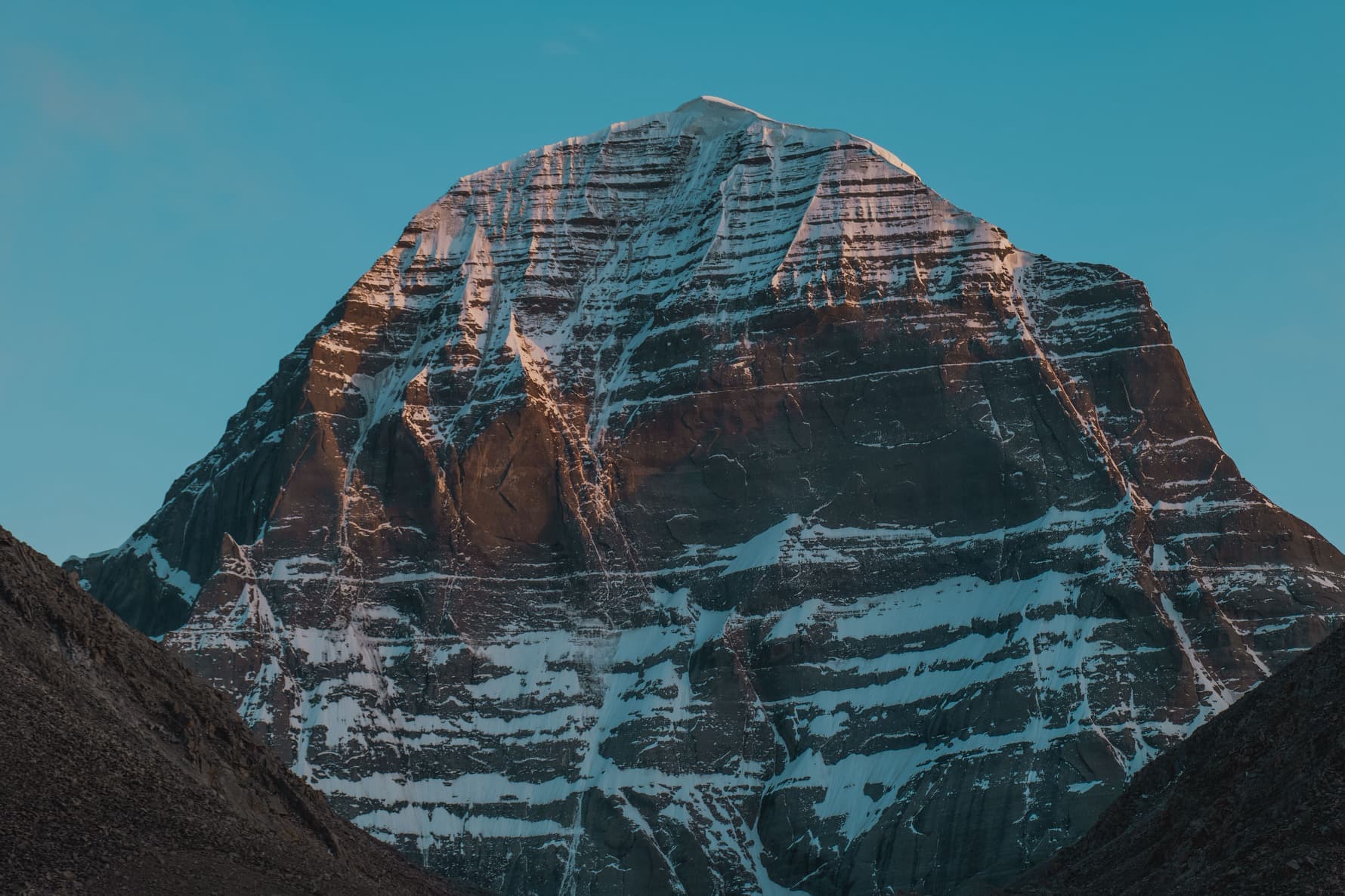
The sacred Mount Kailash in Tibet is a destination for pilgrims from four traditions: Buddhism, Hinduism, Jainism, and Bon. For Buddhists, it is the center of the universe, while for Hindus, it is the abode of Shiva. The Kora—a ritual circumambulation of the mountain—becomes not just a route, but an inner journey, a practice of purification and the search for peace.
Kailash rises to 6,638 meters above sea level. Around it are harsh high-altitude plains, rivers, and forests. You can reach this place via Nepal or directly from Tibet; in any case, permits and document preparation are required in advance.
If you value reliability and wish to travel accompanied by experienced guides, the programs from Jay Shambo tours can help organize your journey without unnecessary hassle. For example, Kailash: Sacred Kora from Lhasa includes transfers, accommodation, support along the route—and the chance to immerse yourself in the atmosphere with people who share your interest.
To ensure a smooth Kora, consider a few points:
-
Physical Readiness. The journey is long, and the altitude is serious. It's advisable to consult a doctor in advance, especially if you have heart or respiratory issues.
-
Acclimatization. Plan a few days to get used to the altitude—in Lhasa or another high-altitude area. Rushing can be dangerous.
-
Equipment. Quality trekking boots, warm layered clothing, altitude sickness remedies. Water and light snacks are essential.
-
Spiritual Mindset. Kora is not just physical. Prepare for meditation, reflection, and inner silence. Then you will truly feel the power of this place.
If the route through Nepal resonates with you, take a look at the program Kailash through Nepal: Kora with Gosainkunda—it offers a gentler ascent and the opportunity to connect the pilgrimage with other sacred sites.
Preparing for the Kora: What You Need to Know

The Kora around Kailash requires preparation—both physical and internal. Honestly, without this, the journey can become a trial in a way you didn’t intend.
Physical and Psychological Preparation Before the Journey
Start cardiovascular training a few months before the trip: running, swimming, cycling. This will strengthen your heart and build endurance. Specifically:
-
Train 3–4 times a week, gradually increasing intensity.
-
If possible, train in the mountains or at altitude—your body will remember the sensations.
-
Practice meditation and breathing techniques. They will help you maintain calm when things get tough.
Essential Equipment: Clothing, Footwear, First Aid Kit
The list is simple, but every item counts:
-
Footwear. Trekking boots with good ankle support and a waterproof membrane. Break them in beforehand.
-
Clothing. Thermal underwear, a fleece jacket, a windbreaker, a waterproof jacket. Layers allow you to regulate temperature—it may be warm during the day but drop drastically by evening.
-
First Aid Kit. Altitude sickness remedies (e.g., Diamox), pain relievers, antiseptics, bandages. Vitamins and minerals will also be beneficial.
The Importance of Acclimatization
At an altitude of 6,638 meters, the oxygen in the air is half that at sea level. The body needs time to adjust. We always recommend spending at least 2–3 days at altitude before starting the Kora—such as in Lhasa.
What to do during these days:
-
Drink plenty of water—3–4 liters a day.
-
Avoid alcohol and heavy meals.
-
Listen to your body. If you experience headaches, nausea, or weakness—don’t be a hero; reduce your load.
If you are considering the route through Nepal, check out Kailash through Nepal: Kora with Gosainkunda—acclimatization is naturally integrated into the program.
Or choose Kailash: Sacred Kora from Lhasa, where you will have enough time for adaptation and exploring Lhasa before the Kora.
Prepare in advance—and the Kora will become not a struggle with your body, but a profound experience of meeting yourself.
Kora Routes Around Kailash

The Kora is not a walk in the park. It is a journey of about 52 kilometers, with an ascent to 5,600 meters at the Dolma La pass. The classic route includes sacred sites: Chuku Monastery, the pass, and Lake Manasarovar. It can be completed in one day (which Tibetans and prepared pilgrims do), or it can take three days—staying overnight in guesthouses.
There is an alternative route—through Nepal. It is gentler in terms of acclimatization: you gradually gain altitude, passing through mountain villages and getting acquainted with the culture along the way.
Comparison Between Traditional Routes and Jay Shambo Routes
At Jay Shambo, we build our routes differently. We don’t just lead from point to point—we create conditions so you can walk at your own pace, with attention to your inner experience.
-
Support. Our guides know not only the trail but also the traditions, history, and spiritual practices of the region. They monitor the group’s condition and assist in challenging moments.
-
Individual Approach. We consider the preparation level of each participant. If needed, we adjust the pace and add rest days.
-
Time for Recovery. Unlike rigid schedules, we allocate enough time for meditation, rest, and silence. The Kora is not a race.
Logistics: How to Get to the Start of the Kora and Back
The journey to Kailash requires planning.
-
Route. Determine which path is closer to you: the traditional route from Lhasa or through Nepal. This affects your preparation and acclimatization time.
-
Transport. Typically, you fly into Lhasa or Kathmandu, and from there, it’s a bus or jeep to the start of the Kora. We organize all transfers, so you won’t have to figure things out on your own.
-
Acclimatization. Spend at least 2–3 days at altitude before starting. This is critically necessary.
-
Equipment. Trekking boots, warm clothing, sun protection, and a first aid kit. The list may seem simple, but every item is precious.
-
Insurance. Obtain medical insurance that covers active outdoor activities in the mountains.
If the classic route from Lhasa appeals to you, take a look at Kailash: Sacred Kora from Lhasa. If you want a gentler ascent and to connect the Kora with other sacred sites—check out Kailash through Nepal: Kora with Gosainkunda.
Experience and Safety on the Kora

The Kora is both a physical challenge and a spiritual practice. To ensure a safe journey, consider a few points: choosing a guide, being prepared for emergencies, and understanding altitude risks.
The Importance of Group Travel and Choosing a Reliable Guide
A group creates support. When it’s tough—there are people by your side who understand. When it’s joyful—there’s someone to share it with. This is valuable at altitude.
A guide is not just a navigator. This is a person who knows the route, culture, and traditions. They monitor the group’s condition, assist during difficult times, and share their experience. When choosing a guide, look at reviews, experience in the mountains, and ability to act in emergencies.
At Jay Shambo, our guides are practitioners with many years of experience. They not only lead you along the trail but also create an atmosphere in which you can delve deeper—within yourself.
Safety Tips: How to Avoid Altitude Sickness, What to Do in Emergencies
At altitudes above 2,500 meters, the risk of altitude sickness increases. Here’s what reduces that risk:
-
Acclimatization. Spending 2–3 days at altitude before starting is a must.
-
Water. 3–4 liters a day. Dehydration exacerbates symptoms.
-
Listen to Your Body. Headaches, nausea, weakness—these are signals that cannot be ignored. Inform your guide immediately.
-
First Aid Kit. Pain relievers (ibuprofen, paracetamol), altitude sickness remedies (Diamox), antiseptics, bandages.
In an emergency—descend. This is the main rule. If symptoms persist—descend as quickly as possible.
Personal Experiences from Jay Shambo Tour Participants: What
They Say About Safety
One of our group members shared: “I felt weak at the pass. The guide noticed right away, gave me water, and suggested I rest. We went slower, and after an hour, I felt better. He was always watching over each of us—that was very supportive.”
Another participant noted: “I was worried I wouldn’t be able to manage physically. But the atmosphere of care and mutual assistance in the group chased my fears away. The guide adjusted the pace for us, and I completed the Kora entirely—it was incredible for me.”
If you want to travel safely and with support, check out the program Kailash: Sacred Kora from Lhasa or Kailash through Nepal: Kora with Gosainkunda. We create conditions that allow you to focus on what matters most—the inner journey.
Budget and Financing the Journey

Traveling to Kailash is an investment. Both financially and energetically. I will honestly explain what makes up the budget and how you can optimize your expenses.
Breakdown of Costs: What’s Included in the Tour Price, Additional Expenses
The cost of Jay Shambo tours for the kora around Kailash ranges from $800 to $1500 per person, depending on the program and level of comfort. This amount includes:
-
Accommodation (hotels or tents)
-
Three meals a day
-
Transfers and transportation along the route
-
Guide and medical staff services
-
Permits and visa support
Additional expenses to consider:
-
Personal expenses (souvenirs, drinks, extra snacks)
-
Additional excursions, if desired
-
Medications and personal hygiene products
I recommend having a reserve of $200–300 for unforeseen expenses.
How to Save on Kora: Tips on Accommodation, Food, and Transport
If your budget is limited, there are ways to reduce costs without compromising the experience:
-
Accommodation. Are you ready for simpler conditions? Choose tours with shared tents or basic guesthouses. This significantly lowers the cost.
-
Food. Bring light snacks (nuts, dried fruits, energy bars). This will help save on additional purchases. But do try the local cuisine — it’s part of the experience.
-
Transport. Group transfers are cheaper than individual ones. We always organize shared trips — it's more economical and creates a friendlier atmosphere.
-
Gear. If you don't have quality trekking gear, you can rent it in Kathmandu or Lhasa. This is cheaper than buying.
Details on the Financial Aspects of Jay Shambo Programs
We operate with transparent terms. All payments are made in advance, with no unexpected additional charges on-site (except for personal expenses). You choose a package that fits your budget and level of comfort.
For example, Kailash via Nepal: Kora with Gosainkunda offers an optimal balance of price and quality: comfortable accommodation, good food, and support along the route.
If you prefer the classic route from Lhasa, take a look at Kailash: Sacred Kora from Lhasa — there are options for different budgets.
Plan your finances in advance, choose a program that suits you — and go. The kora around Kailash is worth the investment.
FAQ

How to Obtain a Visa for Traveling to Tibet?
To enter Tibet, you need a Chinese visa and a special permit to visit the region. Tour operators (including us) assist with the process — it’s simpler than doing it on your own. Start the process 2–3 months before your trip. You will need: a valid passport, photographs, and details about your itinerary.
How to Prepare for Physical Strain During the Kora?
A few months before your trip, start cardio training: running, swimming, cycling. Strengthen your legs — squats, lunges, stair climbing. If possible, hike in the mountains or on rough terrain. During the kora, you will need to walk up to 30 km a day, with elevation gain — your body needs to be prepared.
How to Organize Food During the Kora?
In Jay Shambo programs, meals are included: a full breakfast, lunch, and dinner. Usually, these are local dishes adapted for trekking needs. If you have special preferences (vegetarianism, allergies) — let us know in advance. I recommend bringing light snacks: nuts, dried fruits, bars. At high altitudes, your appetite may decrease, but your body needs energy.
How to Deal with Altitude Sickness?
At altitudes above 3500 meters, the risk increases. To reduce it:
-
Spend 2–3 days acclimatizing before starting the kora.
-
Drink plenty of water — 3–4 liters a day.
-
Listen to your body. Headache, nausea, weakness — signals that should not be ignored.
-
Bring altitude sickness medication (e.g., Diamox). Consult a doctor before the trip.
If symptoms worsen — descend to a lower altitude. This is the main rule.
What Local Customs Should Be Considered?
Respecting local culture is the foundation of any pilgrimage.
-
Do not point at sacred objects with your feet.
-
Do not photograph local residents without permission.
-
Circumambulate stupas and shrines clockwise (as per Buddhist tradition).
-
Do not leave trash on the trail. Take everything with you.
-
Dress modestly, especially in monasteries.
These simple rules will help maintain the atmosphere of the place and foster good relationships with local residents.
Conclusion
The kora around Kailash is an opportunity to touch upon a sacred tradition and challenge yourself physically and spiritually. Prepare in advance, consider the risks, choose a reliable guide — and your journey will become a profound experience of self-discovery.
If you want to learn more about our programs, check out Kailash: Sacred Kora from Lhasa or Kailash via Nepal: Kora with Gosainkunda. We create conditions for you to focus on what matters most — your inner journey.