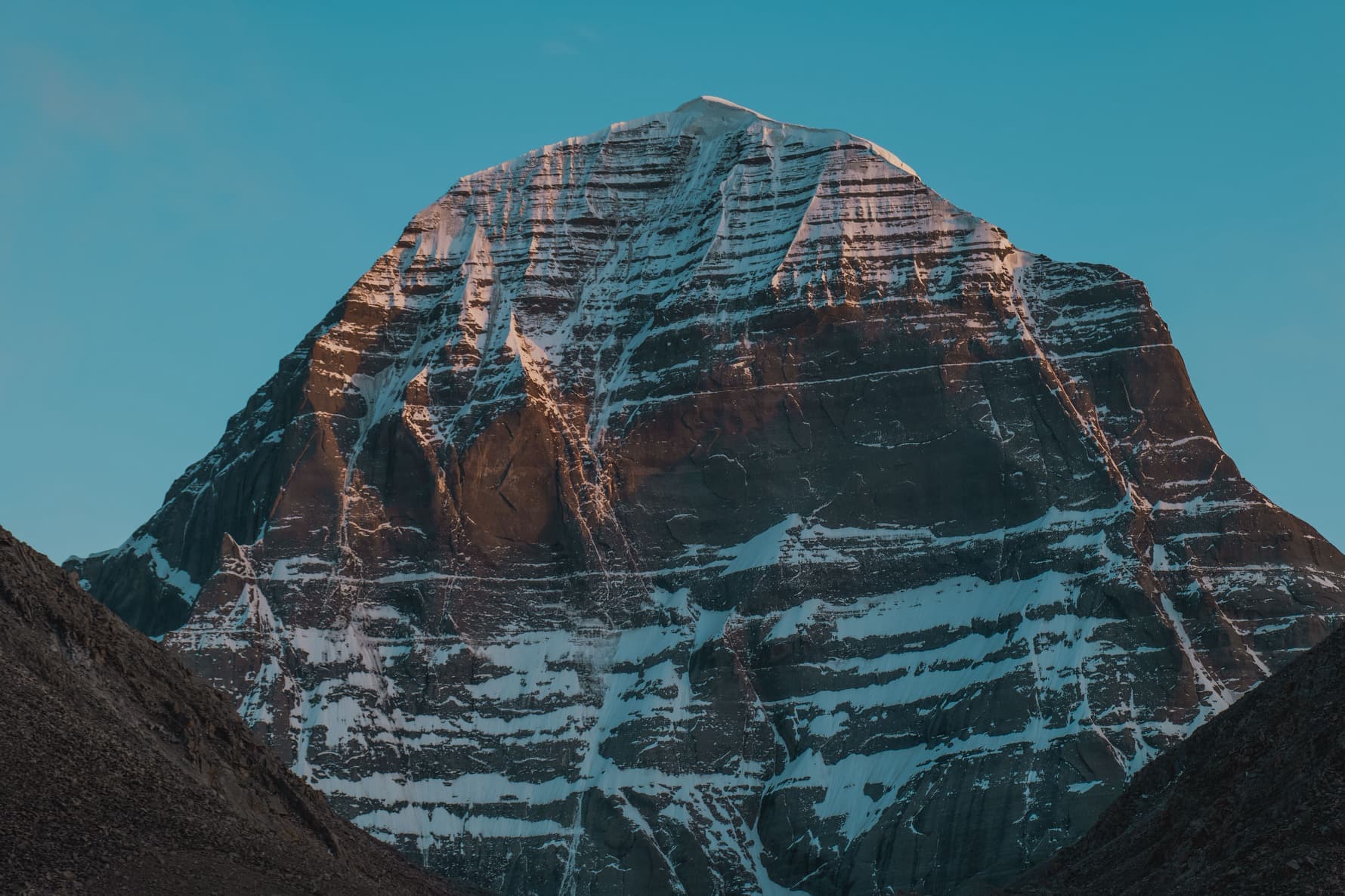
Kora Around Kailash Dolma La:
Your Guide to the Sacred Route

1. Introduction to the Kora Around Kailash

The kora around Kailash is not merely a physical journey but a profound spiritual experience enriched by millennia of history and cultural heritage. This sacred mountain is considered the center of the world for many religions, including Hinduism, Buddhism, and Jainism. Kailash embodies the union of the celestial and the earthly. Pilgrims and travelers come here not only for the physical challenge but also for inner harmony and purification.
The kora around Kailash is approximately 52 kilometers long and typically takes three days to complete. Each step along this path is an opportunity for meditation and reflection. Pilgrims walk in a clockwise direction to adhere to ancient traditions. This experience becomes truly unique when you realize that people from all over the world, regardless of their faith, gather here to share their aspirations and hopes.
Each day on the kora unveils new landscapes and opportunities for self-reflection. Along the way, you will encounter sacred lakes like Manasarovar, which are considered sources of purification. If you plan to undertake this journey, it is important to keep a few things in mind:
-
Physical Preparation: Ensure you are adequately prepared for high-altitude conditions. Regular training, such as hiking and outdoor activities, will help you better cope with the exertion.
-
Altitude Adaptation: Kailash is situated at an altitude of about 4500 meters above sea level. Make sure to allow time for acclimatization. It is recommended to spend a few days in Lhasa before heading out.
-
Equipment: You will need comfortable trekking boots, warm clothing, and sun protection. Don’t forget to bring enough water and snacks to sustain your energy along the way.
-
Spiritual Approach: The path around Kailash is not only a physical journey but also an opportunity for inner growth. Think about what you want to leave behind and what intentions you wish to set on this journey.
The program Kailash: Sacred Kora from Lhasa offers a unique opportunity to traverse this route accompanied by experienced guides who will share insights about local culture and spiritual practices. This is not just a tour; it is a path to understanding yourself and your place in the world.
The kora around Kailash is an important experience for anyone seeking not only adventure but also meaning. Join the pilgrims and allow this path to change your life. You may also consider participating in the program Kailash via Nepal: Kora with Gosainkunda, which offers yet another unique route to the sacred mountain, opening new horizons for your spiritual quest.
2. Characteristics of the Kora Route Around Kailash

The kora around Kailash, also known as Dolma La, is an incredible pilgrimage spanning approximately 52 kilometers. This route is divided into several stages, and depending on your pace, it can take anywhere from three to five days to complete. The path traverses diverse landscapes, including picturesque valleys, high passes, and sacred lakes.
Length and Difficulty of the Route
The difficulty of the kora can be rated as moderate but requires good physical fitness. The highest point on the route is Dolma La Pass, which is located at an altitude of about 5630 meters above sea level. Here, it is crucial to consider that acclimatization in such conditions is key. It is recommended to spend a few days in Lhasa or other high-altitude areas before starting the trek to avoid altitude sickness.
Points of Interest Along the Way
Along the route, you will encounter numerous sacred sites and natural wonders. Key stops include:
-
Lake Manasarovar: One of the sacred lakes where pilgrims pause for meditation and purification.
-
Chekung Temple: A small sanctuary where you can see local monks and feel the atmosphere of spiritual solitude.
-
Dolma La Pass: From here, breathtaking views of Kailash and the surrounding area await.
Don’t forget to take short breaks to enjoy the beauty of nature and capture photographs that will stay with you for a lifetime.
Preparation and Gear Tips
To make your journey as comfortable and safe as possible, consider the following recommendations:
-
Physical Preparation: Ensure you are physically ready for the hike. Regular training, such as walking and cardio workouts, will help you tackle the route more easily.
-
Gear:
-
Comfortable trekking boots that provide good ankle support.
-
Lightweight but warm clothing that protects against wind and cold.
-
Sun protection: cream, sunglasses, and a hat.
-
A first-aid kit, including medications for acclimatization.
-
Food Supplies: Don’t forget to stock up on sufficient water and light snacks, such as nuts and dried fruits. At high altitudes, food is digested quickly, and you will need to maintain your energy.
-
Spiritual Mindset: Remember that the kora is not just a physical challenge but also a spiritual journey. Define your intentions in advance and try to leave behind all unnecessary distractions during this trip.
The program Kailash: Sacred Kora from Lhasa provides a unique opportunity to follow this route in the company of experienced guides who will help you gain a deeper understanding of local culture and spiritual practice. Join the pilgrims and let this path change your life.
3. Dolma La Pass:
The Key Point of the Kora

Dolma La Pass, located at an altitude of 5630 meters, is not only a physical challenge but also a significant spiritual milestone on the kora around the sacred mountain Kailash. This moment in the journey requires careful preparation and understanding of its importance.
Altitude and Features of the Pass
At the height of Dolma La, the air becomes thin, which can cause altitude sickness symptoms in unprepared individuals. It is important to keep in mind that temperatures can vary significantly at this section of the route, and gusty winds add to the challenge. It is advisable to acclimatize at altitude before beginning the ascent. Make sure to allocate enough time for this so that your body can adapt.
Religious Significance of Dolma La Pass for Tibetan Buddhists
Dolma La is considered a sacred place for Tibetan Buddhists, as it symbolizes the transition to spiritual awakening. Locals believe that those who cross this pass can cleanse themselves of sins and draw closer to enlightenment. Pilgrims often leave offerings and prayer flags here, creating a unique atmosphere of spirituality and deep connection with nature.
Climbing Experience: What to Expect and How to Prepare
The ascent to Dolma La often takes several hours and requires significant effort. Here are a few tips to help you successfully overcome the pass:
-
Pace: Start at a slow pace and gradually increase it. This will help avoid sudden strain on your heart and lungs.
-
Breaks: Take frequent breaks to rest and enjoy the surrounding scenery. This will not only help you regain strength but also allow you to better appreciate the atmosphere of this sacred place.
-
Hydration: Drink water regularly to avoid dehydration. At altitude, your body requires more fluids.
-
Meditation: Find time for meditation or reflection at the pass. This will help you connect with the place and your inner intentions.
Preparing for the kora around Kailash, including Dolma La Pass, is a crucial moment. If you wish to traverse this route with experienced guides and gain a deeper understanding of local culture and spiritual practices, I recommend considering the program Kailash via Nepal: Kora with Gosainkunda. This program not only offers physical support but also the opportunity to realize the depth of this pilgrimage.
By passing through Dolma La Pass, you will not only overcome a physical barrier but also discover new horizons within yourself. May this experience become a source of inspiration and spiritual strength on your journey to Kailash.
4. Safety and Health on the Way

The kora around Kailash, especially through Dolma La Pass, presents not only a physical challenge but also a deeply spiritual experience. However, to successfully and safely navigate this route, it is important to be aware of certain risks and take precautions.
Risks Associated with Altitude and Climate
The altitude of approximately 5630 meters at Dolma La Pass can pose a serious challenge for many. At this height, the air is thin, and the oxygen level is significantly lower, which can lead to various health issues. The most common symptoms include:
- Headaches
- Nausea
- Fatigue
- Shortness of breathIt's important to remember that every body reacts differently, and you should not ignore the signs of altitude sickness. If you feel unwell, it's best to stop and rest.
How to Avoid Altitude Sickness: Acclimatization Tips
-
Gradual Ascent: Don't rush to altitude. Plan your route so that you have enough time for acclimatization. For instance, it's recommended to ascend no more than 300-500 meters per day. This will allow your body to adapt.
-
Hydration: Staying hydrated is crucial. It's advisable to drink at least 3-4 liters of water daily to avoid dehydration. Including electrolytes in your diet can also be beneficial.
-
Nutrition: Pay attention to your diet. Light, carbohydrate-rich foods will help you maintain energy levels. Avoid heavy and fatty foods.
-
Advance Preparation: If possible, undergo preliminary training at altitude. This will help your body get used to the conditions you will encounter on the trek.
-
Take Care of Your Health: Before embarking on the trek, it's recommended to undergo a medical examination and consult a doctor about potential risks.
Preparing for Possible Emergencies
While we hope everything goes smoothly, it's important to be prepared for unforeseen situations. Here are some tips:
-
List of Necessary Medications: Have a first-aid kit with essential medications: altitude sickness tablets (e.g., acetazolamide), pain relievers, cold and allergy medications, as well as wound care supplies.
-
Know the Location of Nearby Medical Facilities: Before starting your trek, confirm where the nearest medical assistance points are. This will help you quickly get help if needed.
-
SOS Signals: Discuss with your group how to act in case of an emergency, and ensure you have communication devices such as a satellite phone or walkie-talkie.
The trek around Kailash is not only a physical challenge but also an opportunity to deepen your understanding of yourself and the world around you. If you want to undertake this journey with experienced guides, I recommend considering the program Kailash: Sacred Circumambulation from Lhasa. Make sure your journey is not only safe but also inspiring.
5. Budget and Logistics

Traveling around the sacred mountain Kailash is not only a spiritual trial but also requires serious planning. Let’s look at some key aspects that will help you properly organize your journey.
Estimated Travel Costs: Transportation, Accommodation, Food
Travel expenses can vary greatly depending on the route chosen and the level of comfort. Here are some approximate figures to help you plan your budget:
-
Transportation: A flight to Lhasa can cost between $500 and $1000 depending on the season and airline. If you're choosing a route through Nepal, add the cost of a flight to Kathmandu (averaging from $300 to $600) to this amount.
-
Accommodation: In Lhasa and other Tibetan cities, you can find options ranging from $10 to $100 per night. For the duration of the circumambulation, budget around $20-50 per night in tents or basic hostels.
-
Food: Expect to spend about $10-20 per day if you eat at local cafes. If you prefer dining in restaurants with European cuisine, be prepared to pay from $20 to $50 per meal.
In total, the overall cost for a 10-12 day trip can range from $1500 to $2500, covering all major expenses.
How to Choose the Right Tour: Factors to Consider
When Selecting a Provider
When selecting a tour, it's important to consider several factors:
-
Company Reputation: Look at reviews from past participants. Check how well the tours are organized and how experienced the guides are.
-
Tour Program: Ensure that the program includes all essential elements—acclimatization, nutritious meals, and time for rest.
-
Safety: Find out what safety measures the company has in place. Having experienced guides with medical training is a significant advantage.
-
Group Size: Smaller groups (up to 10 people) usually provide a more personalized approach and allow for better interaction with the guides.
I recommend considering the program Kailash through Nepal: Circumambulation with Gosainkunda. It offers a comprehensive approach to the journey, including acclimatization and support from experienced guides.
Mentioning the Jay Shambo Program and Its Benefits
Jay Shambo programs are distinguished by attention to detail and high safety standards. Every aspect of the journey is carefully planned, including medical preparation and food organization. You will also gain access to unique places and practices that will enrich your experience.
It's important to remember that the circumambulation around Kailash is not just a physical challenge, but a path to self-discovery. If you wish to undertake this route with experienced guides, I recommend considering the program Kailash: Sacred Circumambulation from Lhasa. Ensure that your journey is not only safe but also inspiring.
6. FAQ

What is the best time for the circumambulation?
The best time for the circumambulation around Kailash is spring and autumn when the weather is more stable and comfortable. Spring (April-May) and autumn (September-October) offer optimal travel conditions. During this period, temperatures range from 10 to 20°C during the day, while nights remain cool. Avoid winter months due to severe frosts and snowstorms.
What physical preparation is needed?
The circumambulation around Kailash is a serious physical challenge that requires good preparation. It is recommended to:
-
Engage in aerobic exercises (running, swimming, cycling) at least 3-4 times a week for 2-3 months before the trek.
-
Increase the duration of hikes and ascents to altitude (preferably in the mountains).
-
Add strength training to strengthen leg and core muscles.
It is also beneficial to undergo acclimatization testing to understand how your body reacts to high altitude.
What documents are needed for travel to Tibet?
For a trip to Tibet, you will need:
-
Passport (valid for at least 6 months at the time of travel).
-
Visa for China (usually tourist).
-
Permit for entry into Tibet (Tibet Travel Permit), which is arranged through a travel company.
Despite the apparent complexity, our specialists will assist you with obtaining all necessary documents.
What is the difficulty level of the circumambulation?
The circumambulation around Kailash has a high difficulty level. The main challenges include:
-
Altitude: the highest point is the Dolma La Pass (5630 m), which can lead to altitude sickness.
-
Duration: the route is about 52 km, typically divided over 3-4 days.
-
Physical Load: endurance and good physical condition are necessary.
It's important to be prepared for varying weather conditions and difficult sections of the trail.
Are there any restrictions for travelers?
Yes, there are some restrictions. It’s important to consider:
-
Age: many companies recommend not taking very young or elderly participants.
-
Health: chronic illnesses related to the cardiovascular system or respiration may result in a refusal to join the trip.
-
Groups: travelers must be part of an organized group, which ensures safety and support.
What is the best way to reach the starting point of the circumambulation?
The starting point of the circumambulation is the city of Darjeeling or Nepal. We recommend the following route:
-
Fly to Kathmandu, then take a domestic flight or bus to Lhasa.
-
From Lhasa, you can reach the starting point by bus or private transfer.
The choice depends on your preferences and the time you are willing to spend on travel. Within the program Kailash through Nepal: Circumambulation with Gosainkunda, you will receive detailed instructions and support at every stage.
Traveling around Kailash is not only a physical challenge but also a unique experience that will enrich your soul. If you want to undertake this route with experienced guides, consider the program Kailash: Sacred Circumambulation from Lhasa, where every moment will be carefully planned for your comfort and safety.