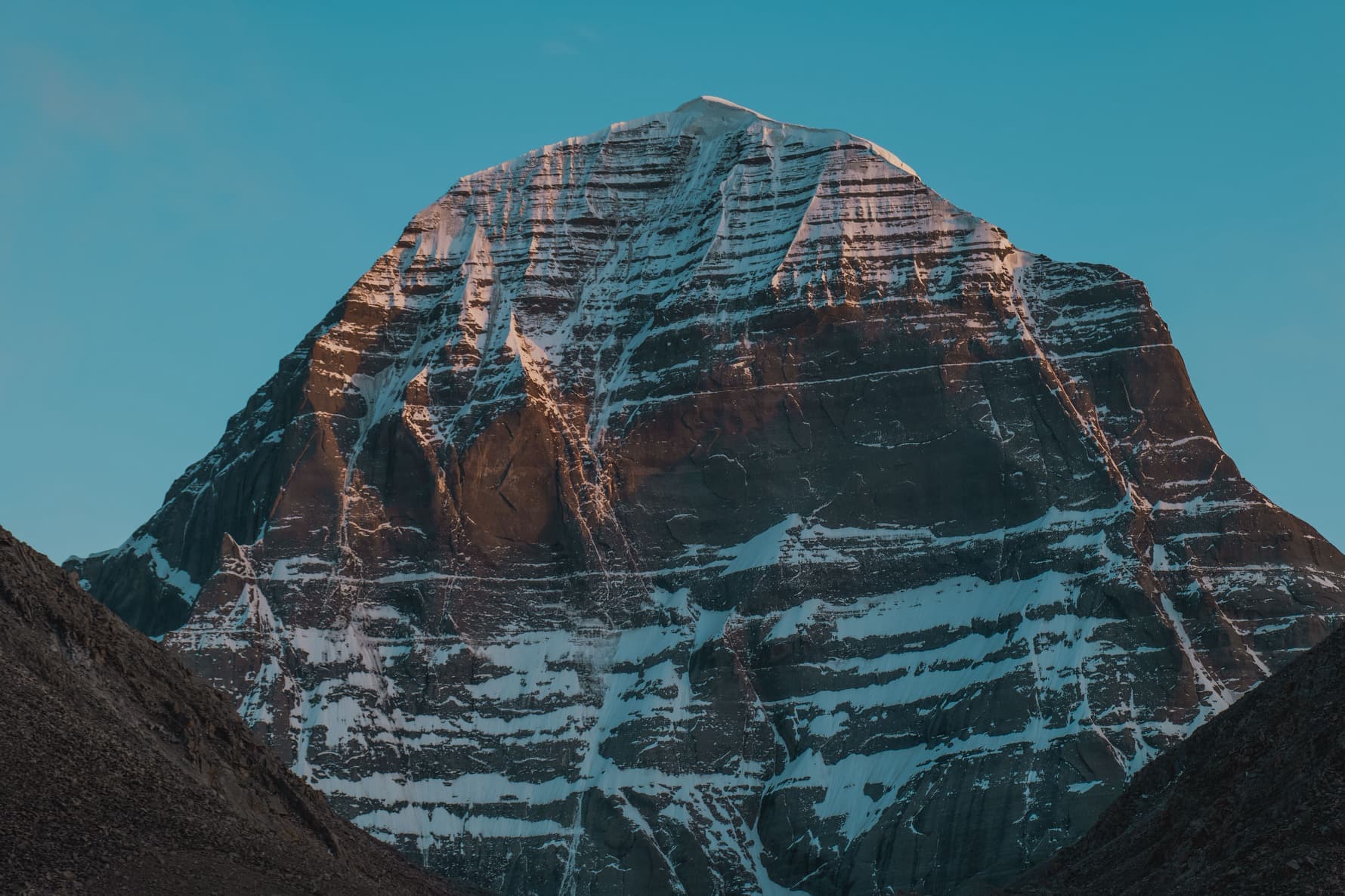
Kora Around Kailash: Route Details

Introduction: What Kora Means for a Pilgrim

The kora around Mount Kailash is a circumambulation of the sacred peak in a clockwise direction, a practice rooted in ancient traditions. The route spans approximately 52 kilometers and is situated at an elevation above 4,600 meters. For Buddhists, Hindus, Jains, and followers of Bon, Kailash is the center of the world, the axis around which the entire universe revolves.
Honestly, in practice, the kora is rarely an easy walk. The altitude, weather, and trail conditions all demand respect. Yet, it is within this physical engagement that a special inner silence is born. Each step becomes a meditation, a conversation with oneself and with the mountain.
According to tradition, completing one full kora erases the sins of one lifetime. One hundred and eight koras pave the way to enlightenment. Hindus believe that Kailash is the abode of Shiva; Buddhists say that this is where Buddha attained ultimate awakening. For you, the kora can be a form of cleansing, a re-evaluation of your path, an opportunity to pause and hear the silence beyond the city.
Practical Preparation: Where to Start
Before setting off, it's worth considering a few points:
- Visa and Permits: To visit Tibet, a group visa is required, which is arranged by the tour operator. Independent entry is closed and only accessible through organized tours.
- Budget: The average cost of a kora program ranges from 1,500 to 3,000 USD, depending on the route, duration, and level of support. Programs from Jay Shambo offer various options: from Lhasa, via Nepal, with additional treks.
- Hidden Costs: Besides the tour cost, consider expenses for additional meals (if not included), souvenirs, tips for the guide and driver, and possible gear rentals.
- Gear: Bring trekking boots with a stiff sole, layered clothing (thermal underwear, fleece, waterproof jacket), a sleeping bag for low temperatures, sunglasses, sunscreen, and a hat. Mountain weather can change within an hour.
- Physical Fitness: The kora is not mountaineering, but it’s not just a stroll either. Prepare your cardiovascular system: running, cycling, and long hikes one or two months before the trip will significantly ease acclimatization.
- Acclimatization: This is critically important. Programs by Jay Shambo are designed so that you gradually gain altitude through Lhasa or the valleys of Nepal, giving your body time to adjust.
The kora is not just a route. It is an opportunity to encounter something greater than daily routine and to return changed.
Characteristics of the Kora Route

Overall Length and Elevation
The full kora is about 52 kilometers. The starting point is the village of Darchen (4,560 m); the highest point is the Drolma La Pass (5,630 m). The average elevation of the route remains above 4,600 meters, which requires respect for your body and pace.
Main Stages of the Route
The classic three-day itinerary looks like this:
- Day 1: Darchen → La-Chu Valley → Dirapuk Camp (about 4,900 m). A trek of 12–14 km with a gradual ascent. Views of the northern face of Kailash reveal themselves gradually, as if the mountain decides when to show itself.
- Day 2: Dirapuk → Drolma La Pass (5,630 m) → Zutulpuk Camp (about 4,750 m). The hardest day begins early in the morning, often in darkness. The altitude makes its presence known: breathing becomes labored, and pace slows. After the pass, there is a steep descent to the sacred Gauri Kund Lake and then further down into the valley.
- Day 3: Zutulpuk → Darchen. Approximately 10–12 km, mostly on flat terrain. The final day of the loop. The body is tired, but there is lightness within.
Some pilgrims complete the kora in one day, starting at night. We do not practice this in groups; acclimatization and safety are more important than speed.
Conditions: Physical Preparation and Acclimatization
In practice, altitude is the main factor of difficulty. Even if you are in good shape, the lack of oxygen slows everything down: steps, thoughts, recovery.
- Physical Preparation: Start two months in advance. Cardiovascular exercises (running, cycling), hiking with a backpack, and strength training for the legs. The goal is not to build muscle, but to teach your body to work steadily for long periods.
- Acclimatization: Before the kora, you will spend several days at an altitude of 3,500–4,000 meters (Lhasa, Shigatse). This is a mandatory phase. Symptoms of altitude sickness—headache, nausea, weakness—can manifest in anyone. Listen to your body, drink plenty of water, and inform the guide of any discomfort.
Safety on the Route Always stay with the group pace. Falling behind or moving ahead is risky. Carry a first aid kit: pain relievers (ibuprofen), altitude sickness medication (as prescribed by a doctor), antiseptic, and band-aids. Drink at least 3 liters of water a day. At altitude, dehydration can sneak up on you. Dress in layers. In the morning, it can be -10°C, while during the day in the sun, it can reach +15°C. The wind at the pass can be piercing. Respect the weather. If it starts to snow or strong winds arise, the guide may decide to stop; this is normal.
The kora requires not heroism but attentiveness. You are a guest here, and the mountains are always stronger.
Route Options to Kailash

Route from Lhasa
The classic Tibetan approach. Fly to Lhasa (3,650 m), spend two to three days acclimatizing in the city: Potala, Jokhang, and the Sera and Drepung monasteries. Then travel by jeep through Shigatse to Lake Manasarovar (4,590 m), another sacred site where many bathe before the kora.
- Features: Gradual altitude gain, gentle acclimatization. Immersion in Tibetan culture from the first days. The transfers through high plateaus are scenic but can take 10–12 hours a day.
- Difficulty: Moderate. Suitable for those who are new to high altitudes.
- Program: Kailash: Sacred Kora from Lhasa is a balanced option with experienced guides who have been leading groups for many years.
Route via Nepal (with Gosainkunda)
Start in Kathmandu, then trek to the Gosainkunda Lakes (4,380 m), a sacred site for Hindus. Several days of hiking through rhododendron forests, passes, and villages of the Tamang and Sherpa peoples. This is not just acclimatization but a separate journey. Then travel to the border with Tibet, enter, and proceed to Kailash.
- Features: Two pilgrimages in one: Gosainkunda and Kailash. More physical activity as trekking begins earlier. A contrast of landscapes: from the green valleys of Nepal to the lunar deserts of Tibet.
- Difficulty: Above average. Requires good endurance.
- Program: Kailash via Nepal: Kora with Gosainkunda is for those who want a deeper immersion and are ready for a longer journey.
Comparison: Duration and Conditions
| From | Lhasa | Via Nepal |
|---|---|---|
| Duration | 10–14 days | 14–18 days |
| Acclimatization | Gentle, gradual | Active, through trekking |
| Overnight Stays | Hotels, guesthouses | Tent camps + guesthouses |
| Cultural Context | Tibet, Buddhism | Nepal + Tibet, Hinduism + Buddhism |
| Difficulty | Moderate | Above moderate |
Budget: Visas, Prices, Hidden Costs
- Tibet Visa: Issued only through a tour operator and included in the program cost. Independent entry is not possible.
- Tour Prices: Lhasa: 1,500–2,500 USD (depending on service level and group size). Nepal: 1,800–3,000 USD (includes trek to Gosainkunda, all permits, and support).
- What is Usually Not Included: Flights to Kathmandu or Lhasa. Additional meals in cities (lunches/dinners outside the program). Tips for the guide, driver, and porters (approximately 50–100 USD per person for the whole tour). Personal expenses: souvenirs, communication, additional excursions.
- How to Save: Book 3–4 months in advance for lower early prices. Choose group tours (4–8 people) as they are cheaper than individual ones. Bring basic medications and snacks as everything gets more expensive on-site.
Both routes lead to the same goal but provide different experiences. The choice depends on your time, preparation, and which path resonates more deeply.
Preparing for the Journey: What to Bring and How to Plan

Gear and Clothing
The kora is not an extreme expedition, but the conditions require a serious approach. Here’s what to take:- Clothing (layer principle): Thermal underwear (top and bottom, synthetic or merino wool). Fleece jacket or vest. Down or synthetic jacket (for evenings and nights). Membrane jacket and pants (wind and water protection). Trekking pants, quick-drying. Warm hat, buff, gloves (thin and warm).
- Footwear: Trekking boots with a stiff sole, broken in beforehand. Change of shoes for the camp (light sneakers or sandals).
- Gear: Backpack 40–50 liters (if you are going with porters, 25–30 liters is sufficient). Sleeping bag (comfort down to −10°C; often provided by the organizer, please confirm). Trekking poles (reduce strain on knees during descents). Sunglasses (category 3–4), SPF 50+ cream, lip balm. Headlamp with extra batteries. Water bottle or hydration system (1.5–2 liters). First aid kit (see below).
- Personal items: Documents, copies of passport, insurance. Cash (dollars, yuan); cards do not work on the route. Wet wipes, toilet paper, hygiene products. Power bank, chargers.
First Aid Kit Pain relievers (ibuprofen, paracetamol). Altitude sickness medications (Diamox as prescribed by a doctor). Antiseptic, bandage, adhesive bandages (including blister plasters). Anti-diarrheal medications, sorbents. Personal medications (if you have chronic diseases).
Finances: How to Plan Your Budget
- Main expenses: Tour: 1,500–3,000 USD (depends on the route, see above). Flight: Moscow to Kathmandu or Lhasa from 500 USD (round trip, depends on the season and airline). Visa for Nepal (if entering through Nepal): 30 USD upon arrival. Insurance (mandatory with coverage up to 6,000 m): 50–100 USD.
- Additional expenses: Meals outside the program: 10–20 USD per day in Kathmandu/Lhasa. Tips for the guide and team: 50–100 USD per person for the entire tour. Souvenirs, communication, additional services: 100–200 USD.
- Hidden costs: Equipment rental (if you are not bringing your own): sleeping bag, poles 50–100 USD for everything. Extra night in a hotel (flight delays, early arrival): 20–50 USD. Single room surcharge (if you want a separate room): +200–300 USD.
- Money-saving tips: Fly via Kathmandu (often cheaper than to Lhasa). Buy tickets 2–3 months before departure. Bring snacks and basic medications from home. Choose tours with full board to avoid counting each meal.
Logistics: How to Get to the Start of the Kora
Route from Lhasa:
-
Flight Moscow/Delhi → Lhasa (usually with a layover in Chengdu or Beijing).
-
2–3 days in Lhasa (acclimatization, excursions).
-
Transfer by jeep Lhasa → Lake Manasarovar → Darchen (2–3 days on the way, overnight stays in the towns of Shigatse, Saga).
Route through Nepal:
-
Flight Moscow → Kathmandu.
-
Trek to Gosainkunda (if the program includes trekking) 5–7 days.
-
Transfer to the Tibetan border (Rasuwagadhi), entry into Tibet.
-
Transfer by jeep through Lake Manasarovar to Darchen (2–3 days).
- Accommodation:
- Lhasa, Kathmandu: 3–4 star hotels (single or double rooms).
- On the route to Darchen: guesthouses, simple but clean. Amenities are often shared.
- Kora: tent camps or basic guesthouses. Conditions are spartan, but for many, this is part of the experience.
Programs from Jay Shambo include all logistics: permits, transportation, accommodation, guidance. You don’t need to look for jeeps or negotiate with drivers — everything is organized.
Practical Tips on the Route

Nutrition and Energy
At high altitude, the body works differently: appetite may disappear, but the body needs calories. Here’s what helps:
- Carbohydrates as a base: porridge, rice, bread, pasta. They provide energy without overloading the stomach.
- Light proteins: eggs, cheese, nuts. Heavy meat digests slowly at altitude — that’s a downside.
- Snacks to take with you: energy bars, dried fruits, nuts, chocolate. Snack often during the day in small portions.
- Water: at least 3 liters per day. Drink even if you don’t feel thirsty; dehydration exacerbates altitude sickness symptoms. Warm water with lemon or ginger is easier to consume than cold.
- Avoid heavy meals in the evening: at night, the body digests fatty and spicy foods poorly at altitude.
Honestly, in the first few days, food may seem unappetizing or hard to eat. This is normal. There’s no need to force yourself, but it’s important to maintain a minimum of calories.
How to Avoid Common Mistakes
- Don’t rush ahead. Especially on the first day. Many, excited by the start, go quickly and by evening feel tired or develop a headache. The pace should be such that you can converse comfortably while walking.
- Don’t ignore symptoms. Headache, nausea, dizziness, shortness of breath at rest are signs of altitude sickness. Inform the guide immediately. There’s no shame in this; it’s physiology, not weakness.
- Don’t skimp on acclimatization. If the program includes a rest day in Darchen before the kora, don’t skip it. One extra day at altitude can change your entire experience of the trek.
- Don’t rely on the weather. Even if it’s sunny in the morning, take your membrane jacket and warm layers with you. At the pass, it can be −15°C with winds of 20 m/s.
- Don’t stray from the group. The trail can be lost in places, and GPS doesn’t always get a signal. Lagging behind or running ahead is an unnecessary risk.
- Don’t forget the little things: sunscreen (at altitude, UV is much stronger), lip balm, blister plasters. These items may seem insignificant until you need them.
Respect for Local Culture
Kailash is a sacred place for millions of people. You are a guest here, and it is important to behave accordingly.
- Circumambulate clockwise. Buddhists and Hindus perform the kora clockwise (following the sun), while Bon followers go counterclockwise. If you are not a practicing Bonpo, go clockwise.
- Do not photograph people without permission. Especially pilgrims performing prostrations. For them, the kora is a deeply personal practice. Ask with a gesture or word, wait for a nod.
- Respect holy sites. Do not step on prayer flags, do not sit on stupas, do not take stones from mani walls (walls made of mantras). If you want to make an offering, leave a coin, rice, or cookies.
- Silence in the camps. In the evening and early morning, many meditate or chant mantras. Loud conversations, music, laughter are inappropriate.
- Trash. Take everything with you. Even organic waste. In Tibet, nature takes decades to recover at such altitude.
- Gifts for locals. If you wish to do something nice, bring pens, notebooks, or sweets for children. Money is also appropriate but give it discreetly, without a crowd, to avoid creating a fuss.
- Clothing. In monasteries and holy places, shoulders and knees should be covered. Bright colors and provocative prints are better left for other trips.
In practice, respect for culture deepens the journey. People feel your openness and respond in kind. In our groups, there were often moments when locals invited us for tea, shared stories, or helped in difficult times simply because they saw our attention and care.
The kora is not a tourist attraction. It is a living tradition that has existed for thousands of years. Your task is not to disrupt this fragile connection through time.
Frequently Asked Questions (FAQ)

What is the total length of the kora around Kailash?
The full circle is about 52 kilometers. The classic option is to break it into three days (12–14 km, 18–20 km, 10–12 km). Some Tibetan pilgrims complete it in one day, starting at night, but for guests without many years of preparation, this is not recommended. The altitude and terrain require time.
What is the map of the kora route?
Main points: Darchen (4,560 m) is the starting point, a village at the foot of the mountain. La-Chu Valley is the first section, a gradual ascent with views of the northern face of Kailash. Dirapuk (4,900 m) is the first night camp, a monastery at the foot of the northern wall. Drolma-La Pass (5,630 m) is the highest point of the kora. The ascent takes 3–4 hours and requires a lot of strength. Gauri-Kund Lake (5,608 m) is a sacred lake right after the pass. Many pilgrims bathe here (the water is icy). Zutulpuk (4,750 m) is the second night camp, a cave monastery. Return to Darchen is the final section through a wide valley.
Detailed GPS tracks and maps are provided before the start of the tour. The trail is well-trodden but can be rocky and washed out in places. A compass and paper map are a useful backup (connectivity and internet are poor).
Is special physical preparation needed?
Yes, but it’s not extreme. The kora is not technical climbing; it’s a long trek at high altitude. Here’s what really helps:
- Cardio: running, cycling, brisk walking 3–4 times a week, for 40 minutes or more. The goal is to train your heart to work steadily and for a long time.
- Hiking with a backpack: if possible, go on weekend hikes of 10–15 km with a weight of 5–7 kg. This trains not only your legs but also your mental stamina.
- Strength exercises: when...