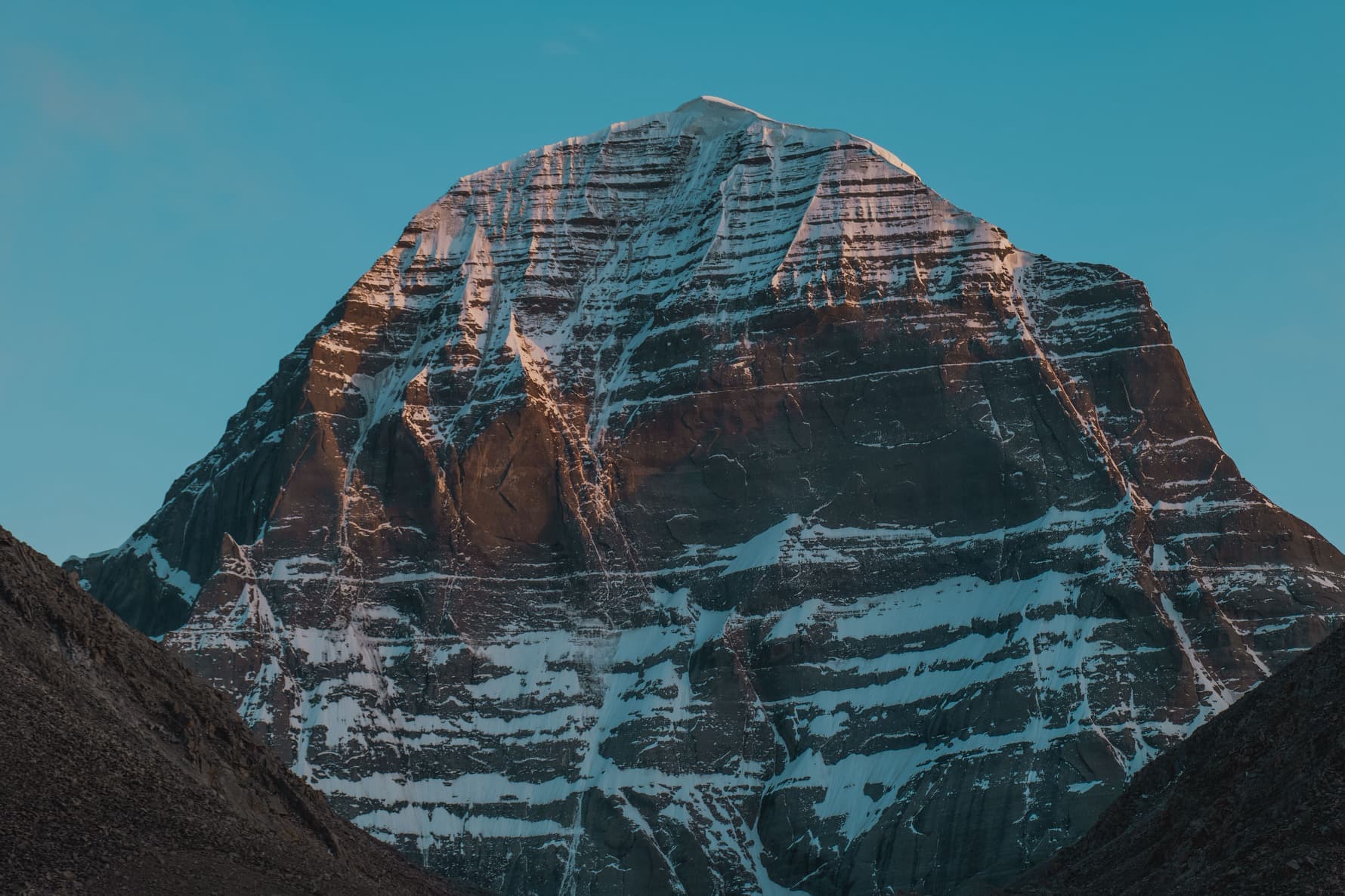
Route Maps for the Kora Around Mount Kailash, Kailash Mansarovar Tour Maps

Introduction to the Kora Around Mount Kailash

Mount Kailash is a sacred place for Buddhists, Hindus, and Jains. Every year, thousands of pilgrims embark on a journey to complete the Kora, a 52-kilometer trek around this majestic peak, which is considered the spiritual center of the world. For many, it is not just a physical challenge but also a profound inner journey that promotes purification and self-discovery.
Why You Should Go on a Pilgrimage
The pilgrimage around Kailash is an opportunity to connect with ancient traditions and feel the power of spiritual practice. Here are several reasons to consider this experience:
- Spiritual Purification: Completing the Kora helps to free oneself from negative thoughts and experiences.
- Cultural Immersion: You will witness the unique customs and rituals of the locals.
- Physical Challenge: The kilometers walked strengthen both body and spirit.
- New Connections: Pilgrimage is a chance to meet like-minded individuals and forge lifelong friendships.
Preparing for the Kora
If you decide to embark on this sacred journey, it's essential to consider a few aspects:
- Physical Preparation: It is advisable to start training in advance, especially if you are not accustomed to long hikes.
- Gear: Ensure you have appropriate footwear, clothing for variable weather, and all essentials for camping.
- Visa and Permits: Most travelers will need a visa for Tibet, which should be arranged in advance.
Budget and Expenses
The pilgrimage around Kailash requires budget planning. Here are the main expense categories:
- Tour Package: Ranges from $1200 to $2500 depending on duration and comfort level.
- Visa for Tibet: Between $50 and $200.
- Accommodation: Tent or hostel stays range from $10 to $50 per night.
- Food: Approximately $10-20 per day for simple meals.
- Additional Expenses: Allocate around $100 for souvenirs and emergencies.
Connection to Jay Shambo Programs
We offer unique itineraries that will help you not only complete the Kora but also delve deeper into the spiritual significance of this place. For instance, you may consider the program Kailash: Sacred Kora from Lhasa or Kailash Through Nepal: Kora with Gosainkunda. These tours include all necessary transfers, guide support, and meal arrangements, allowing you to focus on your inner journey.
The pilgrimage around Mount Kailash is an opportunity to rediscover yourself and connect with something greater.
Detailed Map of the Kora Route Around Kailash

The Kora around the sacred Mount Kailash is a profound spiritual challenge. For those ready for this journey, it is essential to understand the main stages of the route:
Description of the Main Stages of the Route
Day 1: Darchen to Dirapuk (4,700 m) Transfer: 5 km Trek: 15 km Travel Time: approximately 7–11 hours
This day begins with a short transfer to the start of the trek. Next, you will ascend to Dirapuk, where you can enjoy your first views of Kailash. Honestly, this climb can be challenging; pay attention to your body and do not rush.
Day 2: Dirapuk to Zutulpu (4,790 m) Trek: 22 km Travel Time: approximately 11–14 hours
This is the most challenging day, as you will cross the Dolma-La Pass (5,640 m). Be prepared for changing weather and monitor your well-being. It is crucial to take regular breaks and stay hydrated. In our groups, I always insist that people take their time; the pass does not forgive haste.
Day 3: Zutulpu to Darchen Trek: 9 km Transfer: 3 km Travel Time: approximately 2–5 hours
On the third day, you will encounter a lighter route that concludes your pilgrimage. This is a time for reflection and realization of the journey you have completed.
Importance of Preparation for Each Stage
Each day requires both physical and psychological preparation. Here are some helpful tips:
- Training: Start training in advance to build endurance. Long walks or mountain hikes are suitable.
- Acclimatization: Try to spend a few days at altitude before starting the trek to help your body adapt.
- Gear: Ensure you have quality footwear, warm clothing, and necessary trekking accessories.
Budget and Hidden Expenses
When planning your trip, it's essential to consider all expenses:
- Tour Package: Ranges from $1200 to $2500 depending on duration and comfort level.
- Visa for Tibet: Between $50 and $200.
- Accommodation: Tent or hostel stays range from $10 to $50 per night.
- Food: Approximately $10-20 per day for simple meals.
- Additional Expenses: It is advisable to allocate around $100 for souvenirs and emergencies.
For a deeper understanding of the spiritual significance of this place and a comfortable journey, you may consider the programs Kailash: Sacred Kora from Lhasa or Kailash Through Nepal: Kora with Gosainkunda. They include all necessary transfers, guide support, and meal arrangements.
The pilgrimage around Kailash is a unique chance not just to traverse the route but also to connect with something greater.
Features of the Routes and Paths to Kailash

Traveling to the sacred Mount Kailash is a profound spiritual experience. It's essential to choose the right route and prepare for the upcoming adventures.
Route Options and Logistics
Starting from Lhasa or Kathmandu
The choice of starting point depends on your preferences and accessibility. Lhasa offers better acclimatization, while Kathmandu may be more convenient for those starting their journey through Nepal.
How to Choose a Route Based on Preparation Level and Time For beginners, shorter routes like Kailash Through Nepal: Kora with Gosainkunda are suitable, allowing gradual acclimatization to altitude. Experienced travelers may consider more challenging options like Kailash: Sacred Kora from Lhasa, which require good physical fitness and endurance.
Various Aspects of the Journey
Acclimatization
Since the height of Kailash reaches 6638 meters, it's important to take time for acclimatization. It is recommended to spend at least 2-3 days in Lhasa or at altitude before starting the trek.
Plan for Extra Days
Consider the possibility of delays due to weather or other factors. Additional days will help avoid unnecessary haste and allow you to enjoy the journey.
Listen to Your Body
If you experience dizziness or other symptoms of altitude sickness, do not hesitate to take a break or seek assistance.
Budget and Hidden Expenses
When planning your trip, it's essential to consider all expenses:
- Tour Package: Ranges from $1200 to $2500 depending on duration and comfort level.
- Visa for Tibet: Between $50 and $200. Don’t forget to arrange all necessary documents in advance.
- Accommodation: Tent or hostel stays range from $10 to $50 per night. The choice of accommodation can affect your comfort during the trek.
- Food: Approximately $10-20 per day for simple meals. Be sure to clarify what is included in your meal package in advance.
- Additional Expenses: It is advisable to allocate around $100 for souvenirs and emergencies.
Your journey to Kailash is not just a physical challenge but also an opportunity for personal growth and self-discovery. You can familiarize yourself with routes and offerings like Kailash: Sacred Kora from Lhasa and Kailash Through Nepal: Kora with Gosainkunda to find the option that best suits you.
When is the Best Time to Embark on a Journey to Kailash

Choosing the right time for a trip to the sacred Mount Kailash and Lake Mansarovar is crucial, as climate and weather conditions vary. Here are some recommendations regarding seasons and preparation for trekking:
Seasonal Recommendations and Weather Conditions
Spring (April–May 2027)
One of the best times for hiking. Temperatures become comfortable, and nature awakens. During the day, temperatures range from +10 to +20 °C, while at night, they can drop to -5 °C.
Summer (June–August 2027)
Rainy season. This is not the best time for trekking, as heavy rains and poor visibility are possible. Temperatures can reach +25 °C during the day, but nights remain cold.
Autumn (September–October 2027)
The second best period for traveling. The weather is stable and clear, with daytime temperatures around +15 °C and nighttime temperatures at -5 °C. I recommend traveling during this period to enjoy nature at its finest.
Winter (November–March)
Winter months can be harsh. Temperatures can drop to -20 °C, making trekking dangerous and challenging.### Travel Preparation Checklist for Different Seasons
Spring/Autumn Light thermal underwear and warm clothing. Waterproof jacket and comfortable trekking boots. Sunscreen (cream, sunglasses). A small backpack for day trips.
Summer Light, breathable clothing. Waterproof jacket. Mosquito repellent. Raincoat or poncho.
Winter Warm layered clothing. Special winter boots. Thermos for hot drinks. Extra food supplies.
If you are looking for alternative routes, consider Kailash via Nepal: Kora with Gosainkunda, which can be an interesting option.
When planning your trip to Kailash, it's important to consider not only the season but also preparation for various conditions. Be sure to check out programs like Kailash: Sacred Kora from Lhasa to choose the route that best suits your needs and expectations.
Safety and Travel Preparation

Traveling around Mount Kailash is not only a spiritual adventure but also a physical challenge. Preparation and adherence to safety measures at high altitudes play a crucial role in the success of your journey.
Safety Tips for High Altitudes
Acclimatization Allow yourself at least 2-3 days for acclimatization in Lhasa before starting the trek. Drink plenty of water to prevent dehydration. Listen to your body and do not ignore symptoms of altitude sickness: headaches, nausea, fatigue.
Medical Recommendations Consult your doctor regarding any necessary vaccinations and medications. Bring a first aid kit, including pain relievers and allergy medications.
How to Pack Your Backpack Properly
Essential Items Raincoat and warm clothing, even in summer months. Thermal underwear and fleece jackets to stay warm. Trekking boots with good soles.
Personal Items Personal hygiene items, including wet wipes and hand sanitizer. Sunscreen, sunglasses, and a hat. A lightweight sleeping bag for comfortable overnight stays in camping conditions.
Logistics and Route Advice
Route Study the maps of the Kora routes around Kailash in advance. This will help you plan your day and avoid unforeseen situations. Consider using a GPS device or mobile app for navigation.
Transport Ensure that your transport to and from Lhasa is organized in advance. Options for getting around include jeeps, local buses, or motorcycle rentals.
Budget
Estimated expenses: Tibet visa: about $50-100. Accommodation in Lhasa: from $20 per night. Meals: $10-30 per day depending on your preferences. Guide and transport services: from $300 for the entire trip.
Hidden Costs Be sure to account for additional expenses for souvenirs and excursions. Don’t forget about tips for local guides and drivers.
If you want to delve deeper into the culture and spiritual significance of this region, consider the program Kailash: Sacred Kora from Lhasa. This journey will provide you with a unique experience and new impressions.
You may also want to check out Kailash via Nepal: Kora with Gosainkunda if you are seeking alternative routes. Be prepared for amazing discoveries and unforgettable moments on your way to the sacred mountain!
FAQ

How to Trek to Mount Kailash?
The trek around Mount Kailash, known as Kora, takes about 3 days. The main stages of the route:
- Day 1: Start the trek from the village of Darchen. Ascend to the Dirapuk Monastery (4,700 m) about 15 km.
- Day 2: The most challenging day crossing the Dolma-La pass (5,630 m) to Zuthulpuk (4,790 m). Distance is 22 km.
- Day 3: Complete the trek by descending back to Darchen, about 9 km.
Be sure to physically prepare for this journey and consider acclimatization.
What Documents are Needed for Traveling to Tibet?
For your trip to Tibet, you will need the following documents:
- Visa for China: Required for entry into the country.
- Tibet Entry Permit: Obtained through a travel company.
- Tibet Tourist Visa: Processed together with the permit.
Don’t forget to check the current requirements before your trip.
What is the Height of Mount Kailash and Its Surroundings?
Mount Kailash reaches a height of 6,638 meters. The surrounding areas, including passes and lakes, are also at significant altitudes:
- Dolma-La Pass: 5,640 m
- Lake Manasarovar: 4,588 m
Prepare for high-altitude terrain and monitor your health.
What Features Should be Considered When Planning a Pilgrimage Around Kailash?
When planning a pilgrimage, pay attention to the following points:
- Best Time to Visit: September-October 2027 and April-May 2027.
- Physical Preparation: Necessary for successfully completing the trek.
- Climate: Keep in mind that weather can change. It’s important to have appropriate clothing.
- Rest Day: Plan a day for acclimatization before starting the trek.
What is the Cost of Pilgrimage Around Kailash and Lake Manasarovar?
Costs may vary depending on the chosen package and services. Estimated expenses:
- Tour Package: from $1,200 to $2,500, including transport, guides, and meals.
- Additional Expenses: Tibet visa: $50-100. Accommodation: from $20 per night. Meals: $10-30 per day.
- Hidden Costs: Consider additional expenses for souvenirs and tips.
If you want to delve deeper into the culture and spiritual significance of this region, consider the program Kailash: Sacred Kora from Lhasa. This journey will provide you with a unique experience and new impressions.
You may also want to check out Kailash via Nepal: Kora with Gosainkunda if you are seeking alternative routes. Be prepared for amazing discoveries and unforgettable moments on your way to the sacred mountain!