How to Trek to Mount Kailash: A Practical Guide

Introduction to the Trek to Mount Kailash

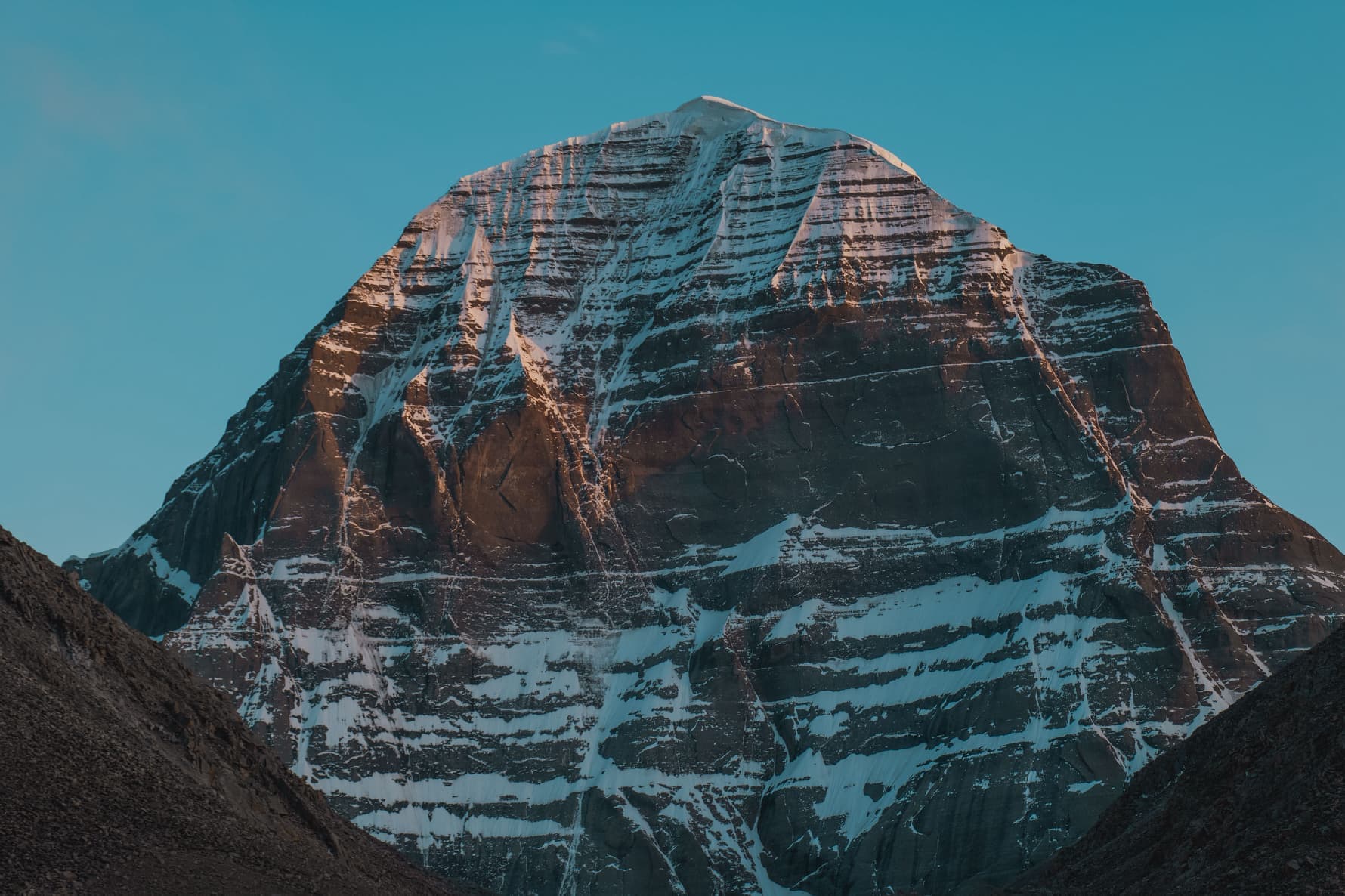
Mount Kailash is a sacred place for millions of people. For Buddhists, it symbolizes the axis of the universe, while for Hindus, it is the abode of Shiva. For centuries, pilgrims have made the kora — a ritual circumambulation of the mountain, seen as a path of purification and inner transformation.
Kora is not just a route on a map. It spans 52 kilometers at altitudes up to 5630 meters, through passes, alongside pristine lakes and snowy peaks. You will encounter Tibetan villages, monasteries, and prayer flags fluttering in the wind. The journey requires not only physical readiness but also focus — each step here carries meaning.
Preparing for the Journey: Physical and Psychological Readiness
Before starting, honestly assess your strength. Altitude, long transitions, and thin air are real challenges. We recommend starting your preparation two to three months in advance.
Here’s what will help in practice:
Cardio Exercises: Running, swimming, cycling — anything that strengthens the heart and lungs. Three times a week for 40–60 minutes will already yield results.
Strength Training: Focus on legs (lunges, squats) and back. You will need to carry a backpack weighing 8–10 kg for several days.
Altitude Adaptation: If possible, spend a few days at altitudes of 3000–4000 meters. This will reduce the risk of altitude sickness and give your body time to adjust.
Psychological readiness is another topic. Kora can be physically demanding: cold nights, fatigue, breathlessness during ascents. Prepare yourself that the journey will require patience. Meditation practices, breathing exercises, or yoga can help maintain calm and focus.
Risks and Logistics: What to Consider
The trek to Kailash is high-mountain terrain, and altitude does not forgive carelessness. Here are the main risks:
Altitude Sickness: Headache, nausea, weakness — early signs. Do not ignore them. Proper acclimatization and a gradual ascent are your protection.
Documents and Permits: To enter the region, you need a Chinese visa, a special permit for Tibet, and a kora permit. Processing takes 3–4 weeks, so start in advance.
Budget: The total cost depends on the route and comfort level. Expect to spend $1200–2500 per person (visa, permits, transport, accommodation, meals, guide services). Small expenses — tea in guesthouses, donations to monasteries — will add another $100–200.
Transport: From Lhasa to Darchen (the start of the kora) is 1200 km by jeep, taking two days with overnight stays. The roads are unpaved and may be blocked due to landslides.
We guide groups on the Kailash: Sacred Kora from Lhasa and Kailash via Nepal: Kora with Gosainkunda programs.
These routes take acclimatization, logistics, and support at all stages into account — allowing you to focus on the journey itself, rather than paperwork and transfers.
The Best Time to Circumambulate Mount Kailash

The weather at Kailash is unpredictable, and conditions directly affect safety and comfort. Choosing the right time is one of the key aspects of preparation.
Weather and Climate Conditions in Different Seasons
The climate around Kailash is harsh. Altitude and remoteness create sharp temperature fluctuations even within a single day.
Winter (November - March): Temperatures drop to -25°C, snow covers the trails, and passes become impassable. Trekking is not conducted during this time — it is too dangerous.
Spring (April - June): Daytime temperatures warm up to +10…+15°C, with overnight frosts down to -5°C. Snow still lingers in high areas in April, but trails open up by May. It’s windy, but it’s possible to trek.
Summer (July - August): Daytime temperatures reach +15…+20°C, and around +5°C at night. This is the rainy season: short downpours occur in the afternoon, creating muddy trails. Visibility may decrease, but overall conditions are manageable.
Autumn (September - October): The most stable time. Daytime temperatures hover around +10…+15°C, nights can drop to -5°C, precipitation is low, and the sky is clear. Trails are dry, and visibility is excellent.
Recommended Period for the Trek (April - October)
The optimal months for kora are from late April to October. Within this window, there are nuances:
May - June: Fewer people, nature awakens, and grasses bloom. However, it can still be chilly, especially at the Dolma La pass.
July - August: Warm weather but more groups and possible rains. If you don’t mind the company of other pilgrims, this is a good option.
September - October: Stable weather, less precipitation, and comfortable temperatures. This is the best time if you want to avoid extreme conditions.
We lead groups specifically during these months. In our programs, Kailash: Sacred Kora from Lhasa, acclimatization and weather windows are taken into account — you trek during the safest time of the year.
How to Avoid Tourist Crowds and Choose Less Busy Dates
Kailash is popular, but you can walk the path in relative silence.
Choose weekdays: Most groups start on weekends. If you begin the trek on a Monday or Wednesday, the crowds will be noticeably smaller.
Prefer the shoulder season: Late May and late September are transitional periods when the influx of groups decreases.
Start early in the morning: The main flow sets out around 8-9 AM. If you start at 6 in the morning, you’ll have the first hours in peace and catch the sunrise over the mountains.
Remember, permits are required to enter the region — these are arranged through a tour operator. Independent access is closed, so plan your trip in advance and work with trusted teams.
How Long Does the Kora Around Kailash Take?

The classic kora around Kailash takes three days. This is the standard pace for most pilgrims and trekkers. It’s possible to complete it in one day (Tibetans sometimes do this), but for acclimatization and safety, we recommend a relaxed three-day schedule.
Route Details: Total Time and Stage Breakdown
The total length of the kora is 52 km. The route is divided into three sections, each with its own terrain and elevation features.
Day 1 (Darchen - Dirapuk): About 20 km, 7-9 hours of walking. Start from Darchen (4600 m), with a gradual ascent along the western wall of Kailash. The trail is wide, and the ascent is gentle. Overnight stay at the Dirapuk guesthouse (5000 m) at the foot of the northern wall.
Day 2 (Dirapuk - Zutulpuk): 18 km, 8-10 hours. The most challenging stage. The ascent to the Dolma La pass (5630 m) is steep and rocky. At the summit, pilgrims leave prayer flags. Then a steep descent to Gauri Kund Lake and further down to Zutulpuk (4790 m). This day requires maximum strength and attention.
Day 3 (Zutulpuk - Darchen): 14 km, 4-6 hours. Descent through the valley, the trail is gentle and easy. By lunchtime, you will return to Darchen. This is the final section where you can walk leisurely and reflect on the journey.
Sample Schedule: Three Days of Trekking with Distances and Time for Each Stage
Here’s a working plan that we follow in groups:
Day 1
- Start: Darchen (4600 m)
- Finish: Dirapuk (5000 m)
- Distance: 20 km
- Time: 7-9 hours
- Features: gradual ascent, acclimatization, first views of the northern wall
Day 2
- Start: Dirapuk (5000 m)
- Pass: Dolma La (5630 m)
- Finish: Zutulpuk (4790 m)
- Distance: 18 km
- Time: 8-10 hours
- Features: ascent to the pass, Gauri Kund Lake, steep descent
Day 3
- Start: Zutulpuk (4790 m)
- Finish: Darchen (4600 m)
- Distance: 14 km
- Time: 4-6 hours
- Features: gentle descent, completion of the kora
This schedule has been tested in dozens of groups. It allows time for rest, photos, interaction with local pilgrims, and does not push the body into stress.
Tips for Managing Strength and Time
Acclimatization: Spend at least 3-4 days in Lhasa and on the way to Kailash before the kora. Don’t rush to gain altitude — this is the main mistake of beginners.
Pace: Walk at your own rhythm. If the group moves ahead — that’s okay; the guide is always nearby. It’s better to arrive an hour late than to overexert yourself on the first day.
Hydration: Drink at least 3-4 liters of water per day. Dehydration at high altitudes exacerbates symptoms of altitude sickness.
Snacks: Eat something light every 1.5-2 hours — nuts, dried fruits, chocolate. This will help maintain energy levels.
Time Buffer: Allow time for unexpected stops — photos, rests, sudden ailments. It’s better to have an hour to spare than to walk in the dark.
In our programs, Kailash via Nepal: Kora with Gosainkunda and Kailash: Sacred Kora from Lhasa, we take into account the individual characteristics of participants and adapt the schedule to the state of the group.
Elevation Changes on the Kora Around Kailash

Altitude is the main factor that determines well-being on the kora. Kailash rises to 6638 meters, and although you don’t climb to the summit, the entire route traverses above 4600 meters, reaching 5630 meters at the Dolma La pass.
The Altitude of Kailash and Its Impact on Health
At altitudes above 2500 meters, the partial pressure of oxygen decreases. The body receives less oxygen with each breath. The heart and lungs work harder, blood thickens, and headaches may occur.
At 4000-5000 meters, many experience mild breathlessness, fatigue, and drowsiness. This is a normal reaction. At 5600 meters (the pass), symptoms intensify: dizziness, nausea, loss of appetite.The main thing to understand is that altitude affects everyone. Even if you're in great shape, your body still undergoes adaptation. Ignoring symptoms is not an option—they can escalate into acute mountain sickness.
Risks Associated with Altitude: Acclimatization and Symptoms of Mountain Sickness
Acute mountain sickness (AMS) is a spectrum of symptoms, ranging from mild to dangerous. Here’s what to watch for:
Mild symptoms: headache, weakness, nausea, poor sleep. Usually resolves within a day with proper rest and hydration.
Moderate symptoms: severe headache, vomiting, dizziness, coordination issues. Requires a stop, rest, and sometimes a descent of 300–500 meters.
Severe symptoms: pulmonary or cerebral edema. Coughing with frothy mucus, difficulty breathing, confusion. This is a critical state—immediate descent and evacuation are necessary.
To reduce risks:
- Ascend gradually. Don’t jump straight to 5,000 meters.
- Drink plenty of water—3–4 liters a day.
- Avoid alcohol and sleeping pills—they depress respiration.
- Listen to your body. If you're feeling unwell, inform your guide immediately, without any heroics.
In our groups, we adhere to the rule of one day of acclimatization for every 1,000 meters of altitude gain. It works.
How to Prepare for Altitude Changes and What to Bring
Physical Preparation: Start cardio and strength training 2–3 months before the trip. Run, swim, and hike with a backpack up stairs. The stronger your cardiovascular system, the easier it is to handle the altitude.
Essential Gear:
- Sturdy trekking boots with ankle support
- Thermal underwear (top and bottom)
- Down jacket or warm synthetic jacket
- Windproof and waterproof membrane jacket and pants
- Warm hat, gloves, buff
- Sunglasses (UV 400)—UV radiation is stronger at high altitudes
- Sunscreen SPF 50+ and lip balm
- Trekking poles (reduce knee strain during descents)
Personal First Aid Kit:
- Diamox (acetazolamide)—prescribed by a doctor for AMS prevention
- Ibuprofen or acetaminophen—for headaches
- Loperamide—for stomach issues
- Rehydration salts—for dehydration
- Band-aids, gauze, antiseptic
Food: energy bars, nuts, dried fruits, chocolate. Guesthouses serve simple food (rice, noodles, vegetables), but snacks between meals help maintain energy.
Documents: passport, Chinese visa, permits for Tibet and the Kora, travel insurance covering high-altitude trekking. All this should be arranged in advance—we assist guests with documentation as part of our programs.
Preparing for altitude is not only about gear but also about mental readiness. Respect the mountain, listen to your body, and don’t rush. Kailash welcomes those who approach it with patience and humility.
Permits for the Kora Around Kailash

Tibet is a restricted region. Special permits are required for entry and trekking around Kailash. Independent travel here is impossible—only as part of an organized group with an accredited guide. This is a requirement by Chinese authorities and cannot be circumvented.
Necessary Documents and Permits for the Trek
Here’s the complete list of documents you'll need:
Passport: must be valid for at least six months from the date of entry into China. Check in advance—expired passports will not be accepted.
Visa for China: standard tourist visa of category L. It can be obtained at the Chinese embassy or consulate in your country.
Tibet Travel Permit (TTP): a special permit for entry into Tibet. Issued by Chinese authorities only through a tour operator. Without it, you won’t be allowed to board the flight to Lhasa or pass through roadblocks.
Alien's Travel Permit (ATP): an additional permit for visiting restricted areas, including the Kailash region. It is issued in Lhasa through the local public security bureau.
Military Permit: a permit for traveling through border and military zones. Required for the route from Lhasa to Kailash.
All these documents are arranged by the tour operator. You provide a scanned passport, photo, and visa information—the rest is handled centrally.
The Process of Obtaining Permits: Timelines, Costs, and Tips
The process takes three to five weeks. Here’s how it works:
Step 1 (4–6 weeks before the trip): you send the operator a scanned passport, a visa photo, and a completed application form. The operator submits the application for the Tibet Travel Permit.
Step 2 (3–4 weeks before): you apply for a Chinese visa at the consulate on your own. You’ll need an invitation from the tour operator (they will send it to you). The visa is processed in 4–7 working days.
Step 3 (2–3 weeks before): the tour operator receives the TTP and sends you the original or a scanned copy. Without this document, the airline will not check you in for the flight to Lhasa.
Step 4 (upon arrival in Lhasa): the guide arranges the ATP and Military Permit within 1–2 days. You hand your passport to the guide—he will take care of the paperwork.
Costs:
- Chinese visa: $50–140 (depends on nationality and urgency)
- Tibet Travel Permit: ~$50–80 (included in the tour cost)
- Alien's Travel Permit + Military Permit: ~$50–70 (usually included in the tour as well)
In total, budget $150–250 for documentation in addition to the cost of the tour.
Tips:
- Start the application process 6–8 weeks before your trip. Bureaucracy is slow, and delays can happen.
- Work only with reputable operators. Fake permits will not pass at roadblocks.
- Make copies of all documents (passport, visa, permits) and keep them separate from the originals.
- If traveling through Nepal (route Kathmandu – Kailash), the process is simplified—entry is via land border, and permits are issued faster.
Possible Challenges and Risks Related to Documents
Visa Denial: sometimes consulates deny applications without explanation. This is more common for journalists, activists, and people with a visa history in “sensitive” countries. If denied, you may try reapplying after a few months with a new invitation.
Changes in Regulations: Chinese authorities periodically tighten entry requirements for Tibet. For instance, in certain years, the region is closed in March (anniversary of the Tibetan uprising) or before major political events. Stay updated with news and check for current information with your tour operator before booking.
Errors in Documents: incorrectly entered data (name, passport number) can lead to denial at roadblocks. Verify all permits immediately after receiving them—correcting an error in Lhasa is possible but will take a day or two, disrupting your schedule.
Loss of Documents: your passport and permits will be checked at least three times along the route. If lost, you’ll need to return to Lhasa to replace them through the embassy and local police. This takes days and incurs extra costs. Therefore, copies are essential.
On-site, all questions regarding documents and checkpoints will be handled by the guide. He knows the procedures, communicates with authorities, and ensures everything goes smoothly. Your task is simply to hand him your passport on time and not lose any paperwork.
We run groups for the programs Kailash: Sacred Kora from Lhasa and Kailash via Nepal: Kora with Gosainkund—in both itineraries, the arrangement of permits is included, and we guide each guest through every step, from document submission to returning home.
FAQ

How to Trek to Mount Kailash?
The Kora around Kailash is a three-day route, covering 52 km at altitudes of 4,600–5,630 meters. Independent travel is not possible: the region is closed, and permits and an accredited guide are required.
The standard route: Lhasa (3–4 days of acclimatization) → transfer to Darchen (1,200 km, two days) → three-day Kora → return to Lhasa. The whole journey takes 10–14 days.
Preparation includes physical training (cardio, strength, long hikes), acclimatization, and arranging documents (visa, Tibet Travel Permit, additional permits). Start planning 2–3 months before your trip.
Our program Kailash: Sacred Kora from Lhasa covers all logistics, from documentation to overnight stays in guesthouses.
What Items to Bring for the Trek?
Here’s a practical checklist:
Footwear and Clothing:
- Trekking boots (broken in!)