How to Get to Tibet. Visa and Permits | Expedition to Tibet

Introduction to Traveling in Tibet

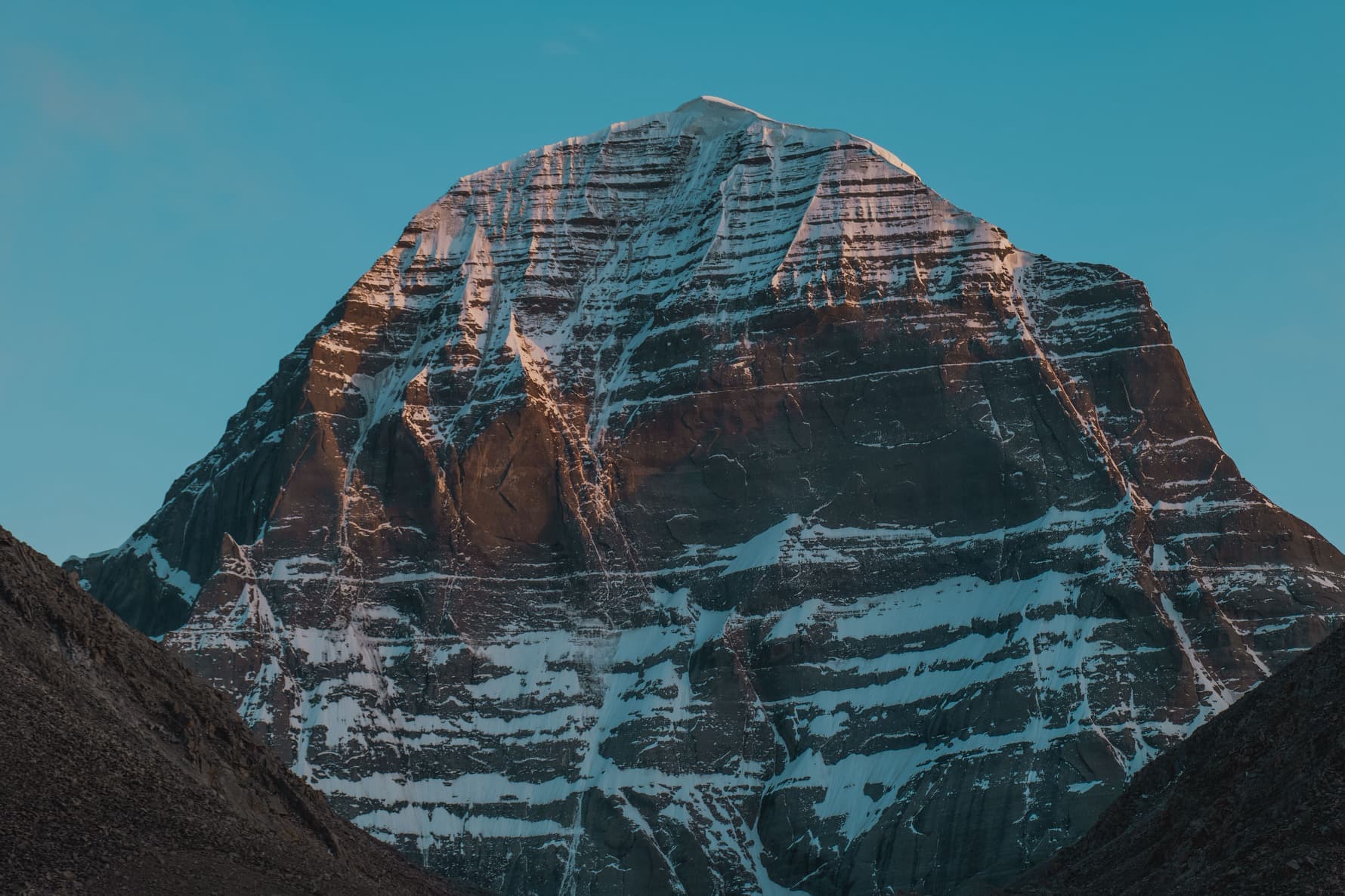
Tibet is a unique land where ancient traditions intertwine with breathtaking landscapes. It is home to sacred places like the Potala Monastery and the holy Mount Kailash, attracting pilgrims and travelers from all over the world. This region not only embodies spirituality but also showcases nature's splendor — towering mountains, endless plateaus, and crystal-clear lakes create unparalleled vistas.
Why Visit Tibet: Culture, Nature, Spirituality
Visiting Tibet is not just a journey; it’s an opportunity to touch upon a deep culture that has preserved its roots for millennia. Buddhist monasteries, where monks live and practice, offer a unique experience of prayer and meditation. Every corner of this land is imbued with spirituality, making it an ideal place for inner exploration and self-reflection.
-
Culture: Tibetan culture is a symbiosis of Buddhism and local traditions. Festivals such as Tibetan New Year (Losar) and the Festival of Lights (Zongkhe) allow you to witness vibrant rituals and customs.
-
Nature: Tibet is the roof of the world. Here lie the majestic Himalayas, vast steppes, and transparent lakes like Lake Yamdrok. The natural beauty makes Tibet an ideal place for trekking and photography.
-
Spirituality: The pilgrimage to Kailash is a sacred journey for Buddhists and can become an important stage on the path to self-discovery and spiritual development.
Brief Outline of the Article
In this article, we will explore all aspects related to a trip to Tibet, including visa requirements and necessary permits. You will learn:
-
Visa to Tibet: How to obtain a visa and what documents are needed for this.
-
Permits: Features of obtaining the permissions required for travel in Tibet.
-
Logistics: How to get to Tibet, where to stay, and which routes to choose for your journey.
-
Helpful Tips: How to prepare for the trip, what to take with you, and how to behave in sacred places.
If you are interested in the sacred circumambulation around Kailash, be sure to check out the programs Kailash: Sacred Circumambulation from Lhasa or Kailash via Nepal: Circumambulation with Gosainkunda. These routes offer unique opportunities for immersion in the spiritual atmosphere of Tibet.
Get ready for an unforgettable journey where every moment will be filled with new discoveries and experiences.
Entry Permit to Tibet: What You Need to Know

Tibet is not just a geographical point; it is a spiritual space filled with sacred sites and a unique culture. To enter this amazing region, you need to obtain a special permit known as a permit, as Tibet is an autonomous region of China with specific rules for foreign tourists.
What is a Permit and Why Is It Necessary?
A permit is an official document that allows you to travel in Tibet. Without it, you will not be able to cross the region's border, even if you have a visa for China. The permit includes information about your travel route and can only be issued through registered travel agencies. This process often requires advance planning, so it is recommended to start preparations at least a few months before your trip.
Visa and Permit: What’s the Difference?
A visa for China is a standard document that allows you to enter the country. However, to visit Tibet, you need to obtain an additional permit. It is important to remember that you can get a visa at a consulate or visa center, while a permit can only be arranged through travel agencies. Usually, to obtain a permit, you need to provide a copy of your passport, visa, a filled-out application form, and sometimes confirm the presence of a tourist group.
For group tours, the process of obtaining a permit may be simpler, as the tour operator handles all the formalities. If you plan an individual trip, it is advisable to contact the agency in advance to understand all the details.
How to Obtain a Permit?
-
Choose a Travel Agency: Find a reliable company that specializes in tours to Tibet. Jay Shambo tours offers excellent routes, including Kailash: Sacred Circumambulation from Lhasa, where they will assist you with all necessary document arrangements.
-
Prepare Documents: Typically, you will need:
-
A copy of your passport
- A copy of your visa for China
- Photographs (sometimes)
-
A permit application form
-
Wait for Permit Processing: This process can take from a few days to several weeks, depending on the agency's workload. It is advisable to submit your application in advance.
-
Check Documents: Make sure all information is correct before sending documents to the agency.
Helpful Tips
-
Plan Ahead: It is best to start the permit application process 2-3 months before your planned trip.
-
Stay Updated: Rules may change, so it is advisable to check current information on travel agency websites.
-
Travel with a Group: This can simplify the permit obtaining process and make the trip more enjoyable.
If you want to combine pilgrimage with obtaining permits, consider participating in the program Kailash via Nepal: Circumambulation with Gosainkunda. This is a great way not only to enjoy the beauty of Tibet but also to minimize bureaucratic hassles.
When preparing for your trip to Tibet, it is important to pay attention to details, and proper visa and permit arrangements will help you focus on the spiritual aspect of your journey.
How to Apply for a Permit

Traveling to Tibet is a unique experience, but it requires proper visa processing and obtaining all necessary permits. Below is a step-by-step guide to help you successfully navigate this process.
Step-by-Step Guide to Applying for a Permit
-
Choose a Travel Agency: The first step is to choose a reliable travel agency that can assist you with obtaining permits. Since it is impossible to get a permit independently, the agency will act as your intermediary.
-
Gather Documents: You will need the following documents:
- A copy of your passport (valid for at least 6 months);
- A recent color photograph (3x4 cm);
- A filled-out application form provided by your agency;
- Confirmation of hotel booking and itinerary.
-
Submit Your Application: Hand over the gathered documents to the agency. Ensure that all information is correct and meets the requirements.
-
Pay Fees: In most cases, there is a fee for processing the permit. Check with your agency how and when to make the payment.
-
Wait for Processing: After submitting your application, the processing will begin, which can take from 10 to 20 days. Keep track of your application's status through the agency.
Documents Required for Processing
To successfully obtain a permit, you will need the following documents:
-
Passport: valid and with sufficient validity.
-
Photograph: 3x4 cm, taken recently.
-
Application: a filled-out form provided by the agency.
-
Booking confirmation: this can be any document confirming your intent to travel.
Application Processing Times
The process of obtaining a permit can take from 10 to 20 days. It is advisable to submit your application at least 2-3 months before your trip to avoid unexpected delays and ensure everything is ready for your journey.
Helpful Tips
-
Be Mindful of Timelines: Try to submit documents in advance to account for possible processing delays.
-
Regularly Check Information: Rules and requirements may change, so keep an eye on the current information on your agency's website.
-
Group Trips: If you are traveling with a group, this can significantly simplify the permit obtaining process. Moreover, such trips often become richer and more engaging.
If you are interested in combining pilgrimage with obtaining the necessary documents, check out our programs. For example, Kailash: Sacred Circumambulation from Lhasa offers a unique route that will make your journey unforgettable.
By following these steps and recommendations, you will be able to focus on the spiritual side of your journey without getting distracted by bureaucratic nuances.
Cost of Visas and Permits

Traveling to Tibet is not only an exciting experience but also involves certain financial investments. Let’s take a closer look at the main expenses you will need to consider.
Overview of Possible Costs: Visa, Permits, Insurance
-
Visa to China: To enter Tibet, you will need a visa for China. The cost varies depending on your nationality and can range from $30 to $150. Typically, visas are obtained at Chinese consulates or embassies.2. Tibetan Permit: This document is necessary for visiting Tibet itself. Obtaining a Tibetan permit will cost about 50 USD. Please note that it can only be acquired by a registered travel agency, which must also be your trip organizer.
-
Additional Permits: Depending on your route, you may need other permissions, for example, to visit certain reserves or border areas. Their cost can reach 30-100 USD.
-
Insurance: It is recommended to obtain medical insurance that covers high-altitude conditions. This may cost around 50-100 USD depending on the package you choose.
Tips for Saving on Your Trip
-
Group Travel: If you decide to travel with a group, this can significantly reduce the costs of permits and other expenses. Many agencies offer discounts for group bookings.
-
Plan Ahead: The earlier you start preparing, the more likely you are to find good deals on flights and accommodations.
-
Explore Alternative Routes: Some places in Tibet may be less popular and, therefore, cheaper. For example, look into options for visiting lesser-known shrines and natural wonders.
Budget Recommendations for Travelers
-
Overall Budget: For a trip to Tibet, including all visas, permits, and insurance, you should budget about 400-600 USD per person. This is a basic amount, excluding accommodation and food expenses.
-
Food: Keep in mind that food prices can vary. In local cafes, you can eat for 5-10 USD, while in more touristy areas, prices start from 15 USD and up.
-
Transport: If you plan to move around within Tibet, budget an additional 100-200 USD for internal transfers.
If you want to make your journey not only vivid but also comfortable, pay attention to our programs. For example, Kailash: Sacred Kora from Lhasa offers all necessary services and assistance in document processing so you can focus on the spiritual aspect of your journey.
By following these recommendations and planning your expenses in advance, you can avoid financial difficulties and enjoy every moment of your journey to Tibet.
Logistics: How to Get to Tibet

Traveling to Tibet is not only a unique experience but also involves certain organizational challenges. Choosing the right route and obtaining the necessary documents play a key role in a successful trip. Let's consider the main options for getting to Tibet.
Overview of Possible Routes: Through Nepal, China
There are two main routes for traveling to Tibet: through Nepal and through China.
- Route through Nepal:
-
The most popular way is to travel from Kathmandu to Tibet. Here you will need a Tibetan visa and a special permit, which can be obtained through a registered travel agency. This route often includes visits to sacred sites such as the Potala Monastery and the sacred Mount Kailash.
-
For those wishing to complete the Kora around Kailash, I recommend considering Kailash via Nepal: Kora with Gosainkunda, where you can enjoy not only a spiritual experience but also the stunning natural landscapes of Nepal.
- Route through China:
- In this case, you will first need to obtain a visa for China and then a Tibetan permit. Typically, tourists fly to Lhasa, from where they can travel to other regions of Tibet. This is a more complicated and lengthy journey, but it offers more opportunities for sightseeing.
How to Choose the Optimal Route Depending on Travel Goals
When choosing a route, consider your goals and interests. If you are interested in the spiritual aspect and more freedom of movement, the route through Nepal may be preferable. It also offers the opportunity to adapt to the altitude and acclimatize before arriving in Tibet.
If your goal is to see as many attractions in Tibet as possible, it is better to go through China. Keep in mind that in this case, you will need to spend more time on document processing and waiting for visas.
Document Preparation
-
Visa for China: Contact the consulate or visa center to obtain a visa. Keep in mind that you may need to provide route confirmation and hotel bookings for visa acquisition.
-
Tibetan Permit: This document can only be obtained through registered travel agencies. It usually takes about a week to process.
Conclusion
Traveling to Tibet requires careful preparation, but the effort is worth it. Choosing the right route and preparing all necessary documents will help you focus on the spiritual aspects of your journey. If you want to make your trip comfortable and safe, pay attention to our programs, such as Kailash: Sacred Kora from Lhasa, where we will assist you with document processing and trip organization.
FAQ

What is the entrance permit for Tibet?
The entrance permit for Tibet, known as TTB (Tibet Travel Permit), is a mandatory document for all foreigners wishing to visit this unique region. It is required to ensure control over the flow of tourists and to protect the cultural heritage of Tibet. Without this permit, you will not be allowed to cross the Tibet border, even if you have a visa for China.
How to apply for a Tibet travel permit?
The TTB application can only be submitted through registered travel agencies that work with the Tibetan government. You will need to provide the following documents:
-
A copy of your passport and Chinese visa.
-
Your travel itinerary in Tibet.
-
A photograph, if required.
Usually, the processing time takes about a week, but it is recommended to apply in advance to avoid delays.
What does the TTB permit look like?
The TTB permit is an A4 document that includes your name, date of birth, nationality, and travel itinerary. It will also have the stamp of the travel agency. It is important to carry both the original and a copy of the permit during your trip.
How much does the Tibet travel permit cost?
The cost of obtaining the permit varies depending on the agency, but it typically ranges from 50 to 100 USD. Keep in mind that this does not include other possible expenses, such as visas or transport.
When is the travel permit checked?
The TTB permit is checked at various stages of your journey. Usually, this occurs:
-
When crossing the border into Tibet.
-
At checkpoints in major cities like Lhasa.
-
During trips around the region, especially in popular tourist spots.
How will you receive your Tibet travel permit?
After your application is approved, the travel agency will send you an electronic version of the permit. You can print it and take it with you on your trip. Some agencies may offer to deliver the original by mail, but it is better to clarify this in advance.
Additional Tips on the Tibet Travel Permit
-
Plan Ahead: Be sure to obtain the permit at least 1-2 weeks before your planned trip, especially during the high tourist season.
-
Check Validity: Ensure that your agency is licensed and has the right to process TTB.
-
Follow the Rules: Respect local traditions and rules of conduct; this will not only help avoid problems but will also make your journey more enjoyable.
If you want to organize your trip to Tibet with minimal difficulties, pay attention to our programs, such as Kailash via Nepal: Kora with Gosainkunda. We will help you with all necessary document processing and ensure a comfortable journey.