How to Prepare for the Pilgrimage to Kailash

Introduction to the Pilgrimage to Kailash

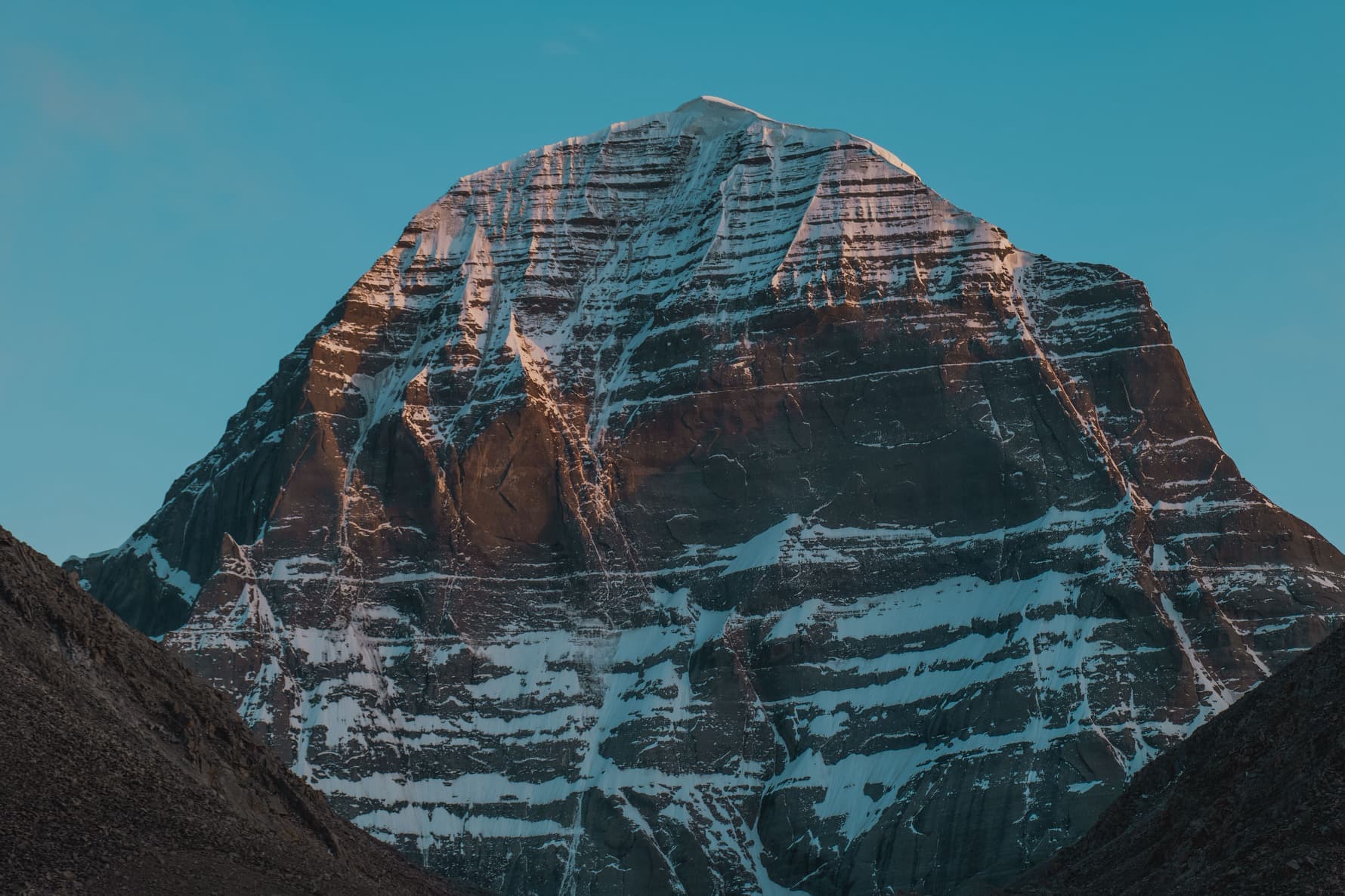
Kailash is a sacred mountain that plays a central role in the spiritual practices and cultures of several religions, including Buddhism, Hinduism, and Jainism. For many pilgrims, it symbolizes the path to self-awareness and inner peace. It is believed that the circumambulation of Kailash, known as kora, cleanses the soul and brings peace and harmony.
The pilgrimage to Kailash attracts people from all over the world for several reasons:
- Spiritual Cleansing: Many pilgrims believe that physically overcoming the challenges of the journey helps them deal with their inner struggles.
- Cultural Enrichment: The journey includes encounters with people from various corners of the world, sharing experiences and traditions.
- Natural Beauty: The breathtaking landscapes of Tibet, towering mountains, and sacred lakes create an atmosphere that inspires deep reflection.
To prepare for the pilgrimage to Kailash, it is important to consider several aspects, including budget, visa requirements, and other details:
Budget
- Tour Cost: For participation in the Jay Shambo program to Kailash, expect to spend between $1200 and $2500, depending on the duration and level of comfort.
- Additional Expenses: Include food, souvenirs, and unforeseen costs in your budget. It is advisable to set aside $200–300 for emergencies.
- Visas and Permits: A visa is required to visit Tibet, which can be obtained through a travel agency. Please note that processing may take several weeks.
Preparation
- Physical Fitness: The kora around Kailash is a physically demanding route. It is recommended to start training in advance: hiking, running, and gym workouts will help build endurance.
- Gear: Don't forget to bring comfortable shoes, warm clothing, and protection from rain and sun. The altitude of 5600 meters requires special attention to preparation.
- Health: Be sure to consult a doctor about necessary vaccinations and medications for acclimatization. Some individuals may experience altitude sickness.
Jay Shambo Program
The Jay Shambo program offers unique routes for pilgrims. For example, you can choose Kailash: Sacred Kora from Lhasa or Kailash via Nepal: Kora with Gosainkunda. Each program includes not only the kora itself but also immersion in the culture and traditions of the locals, making your journey truly unforgettable.
Preparing for the pilgrimage to Kailash is not only a physical but also a spiritual process. With the right mindset and preparation, you will be able to gain all the benefits of this unique experience.
Physical Preparation and Health

Preparing for the pilgrimage to Kailash is an important step that will help you not only strengthen your body but also prepare your spirit for this unique journey. Here are some recommendations to help you prepare effectively.
- Physical Preparation Recommendations: Start with cardio workouts: running, swimming, or cycling at least 3-4 times a week for 30-60 minutes. Strengthen your leg muscles: squats, lunges, and calf raises will help prepare your lower body for long treks. Incorporate hiking in mountainous terrain if possible. This will help you adapt to the route's conditions.
- How to Avoid Altitude Sickness: Acclimatization is key. Spend a few days at an altitude of 3000-4000 meters before starting the kora to give your body time to adapt. Drink plenty of water, at least 3-4 liters a day. This will help prevent dehydration and reduce the risk of altitude sickness. Listen to your body. If you experience dizziness or severe fatigue, be sure to take a break.
- Incorporating Yoga and Meditation into Preparation: Regular yoga practice will help develop flexibility and increase endurance, which is especially important in mountainous terrain. Meditation practice will not only calm the mind but also help focus on the spiritual aspect of the pilgrimage. Kailash: Sacred Kora from Lhasa as part of preparation: The program includes not only the kora itself but also cultural activities that will help you understand local traditions better and find harmony with the surrounding world. Ensure you have enough time to prepare so you can enjoy every moment without rushing.
Jay Shambo Program
The Jay Shambo program offers unique routes for pilgrims, such as Kailash via Nepal: Kora with Gosainkunda. Each of them is designed to provide maximum comfort and immersion in the atmosphere of the sacred place.
Preparing for the pilgrimage to Kailash requires not only physical but also spiritual preparation. By following these recommendations, you can make your journey not only exciting but also safe.
Documents and Permits

Preparing for the pilgrimage to Kailash includes an important step: obtaining the necessary documents and permits. To ensure a successful journey, it is advisable to take care of all formalities in advance.
Necessary Documents for the Pilgrimage: Passport, Visas
- Passport: Ensure that your passport is valid for at least six months from the planned date of departure.
- Visa for China: A Chinese visa is required to visit Kailash. Usually, a tourist visa obtained from the consulate or embassy is sufficient.
- Visa for Tibet: A Tibetan visa is additionally required for visiting Tibet. It is processed through a travel company, such as one that already includes this service in their programs.
- Document Copies: Make several copies of all important documents (passport, visas) and keep them separate from the originals.
How to Obtain Permits for Visiting Kailash and Manasarovar
- Document Package: To obtain permits for visiting Kailash and Manasarovar, you will need: Passport, Copy of the Chinese visa, Completed application form (usually provided by your travel company).
- Processing Times: Obtaining a Tibetan visa can take from 3 to 10 working days, so it’s better to start the process a month before your trip.
- Group Visa: If you are traveling in a group, it may be possible to obtain a group visa, which can reduce costs.
- Consultation with Jay Shambo: They will help you gather all necessary documents and provide recommendations on their processing.
Travel Insurance Tips for Mountain Trips
- Choosing Insurance: Choose insurance that covers high-altitude trekking and emergency evacuation. Pay attention to the terms regarding acclimatization and medical assistance.
- Comparing Rates: Compare offers from various insurance companies. You can often find good options that provide solid coverage for reasonable prices.
- Additional Conditions: Ensure that the insurance covers all types of active recreation, including trekking and climbing at altitude.
- Keep a Copy of the Policy and Contact Information: Carry a copy of your insurance with you and inform your companions of the insurance company’s contact numbers in case of emergencies.
Preparing documents and obtaining permits is an essential part of your journey. By following these recommendations, you can avoid unnecessary hassles and focus on the spiritual aspect of the pilgrimage to the sacred Kailash.
For detailed information about traveling to Kailash, you can check the programs Kailash: Sacred Kora from Lhasa and Kailash via Nepal: Kora with Gosainkunda.
Logistics and Budget

Preparing for the pilgrimage to Kailash involves careful planning of logistics and budget. Below are the key aspects that will help you organize your trip in the best possible way.
How to Organize Your Trip: Transport, Routes, and Accommodation
- Transport: First, you need to get to Tibet or Nepal. It is recommended to choose international flights to Kathmandu or Lhasa. Domestic flights between cities can also be a convenient option, especially if you plan to follow active routes. Consider hiring a car with a driver for local travel, as this will give you greater flexibility.
- Routes: The most popular routes begin from Lhasa or Nepal. Plan your route in advance, considering acclimatization time. Be sure to include days for acclimatization, as altitude can be a serious challenge.
- Accommodation: There are many hotels and hostels in Lhasa and nearby cities. It is advisable to book accommodation in advance through reliable platforms. Along the route to Kailash, you can find both basic camps and more comfortable options. Refer to our tour for accommodation options.
Budget Assessment: Transportation, Accommodation, and Food Expenses- Transport: International flights: from $500 to $1200 depending on the season and departure city. Domestic flights: from $100 to $300 per flight. Car rental with driver: around $50-100 per day.
- Accommodation: Hotels in Lhasa: from $30 to $150 per night. Basic camps and hostels along the route: from $10 to $50 per night.
- Food: Street food: from $2 to $5 per meal. Restaurants: from $10 to $30 for dinner.
- Additional expenses: Visa to Tibet: about $70. Pilgrimage permits: can vary from $20 to $100.
Recommendations for Choosing the Best Time to Travel in 2027
- Seasonality: The best time for pilgrimage is from April to October, when the weather is more favorable.
- Avoid holidays: Be mindful of local holidays, such as Tibetan New Year, when many places may be closed or crowded.
- Climate conditions: In April and May, the weather is mild, and in September you can enjoy beautiful autumn landscapes.
- Preparation for altitude: Plan your trip to allow enough time for acclimatization in the first half of your stay.
For more detailed information about the pilgrimage to Kailash, check our programs: Kailash: Sacred Circumambulation from Lhasa and Kailash via Nepal: Circumambulation with Gosainkunda.
Mental and Emotional Readiness

The pilgrimage to Kailash is not just a physical challenge, but also a profound inner journey. To prepare for this experience, it’s important to pay attention to your mental and emotional readiness.
How to Prepare Your Mind for the Pilgrimage: Meditation, Intention, Goals
- Meditation: Start practicing meditation a few weeks before your trip. This will help calm your mind and focus on your intentions. Try to dedicate 10-15 minutes daily to meditation, concentrating on your breath or mantras related to your pilgrimage.
- Intention: Write down your goals and intentions. What do you want to gain from this experience? It could be spiritual renewal, physical strength, or simply a chance to connect with nature. Having a clear understanding of your intentions will help you stay motivated during tough moments.
- Visualization: Imagine the pilgrimage process, including both joyful and challenging moments. This will help reduce anxiety and prepare you for possible trials.
The Importance of Group Support and Communication with Fellow Pilgrims
- Group dynamics: The pilgrimage is not only a personal experience but also a collective journey. Communicating with other participants can provide support and inspiration. Share your thoughts and feelings along the way, as this helps strengthen connections and create a sense of unity.
- Discussing expectations: It’s helpful to discuss your expectations and concerns with the group before the pilgrimage begins. This creates a space for open communication and allows everyone to feel more comfortable.
How to Deal with Stress and Uncertainty on the Path
- Stress management strategies: While on the road, situations may arise that cause stress. Practice deep breathing techniques to quickly relieve tension. Take time for self-reflection by journaling your emotions and experiences.
- Flexibility in plans: Be prepared for changes and unforeseen circumstances. Sometimes weather conditions or other factors can alter your route. Embrace this as part of the pilgrimage and try to extract as many positive moments as possible from the situation.
- Physical activity: Pay attention to your physical fitness, as it will help you feel more confident. Regular walks and workouts will strengthen not only your body but also your spirit.
Preparing for a pilgrimage to Kailash is a multifaceted process that requires attention to detail. Learning to manage your thoughts and emotions will make your journey more meaningful and profound.
For more detailed information about the pilgrimage to Kailash, check our programs: Kailash: Sacred Circumambulation from Lhasa and Kailash via Nepal: Circumambulation with Gosainkunda.
FAQ
 The pilgrimage to Kailash is a transformative journey. But how do you organize such a trip?
The pilgrimage to Mount Kailash is not just a physical activity; it is a profound spiritual experience. To organize your trip, consider a few key points: Timing: The best months for pilgrimage are from April to October. Fitness: Ensure you are in adequate physical shape. Regular training will help you better cope with high-altitude conditions. Preparation: Familiarize yourself with the route and local customs. This will help you adapt better on-site and avoid unpleasant situations. How to trek to Mount Kailash?
The trek around Kailash is about 52 kilometers, typically taking 3-4 days. Main tips: Gear: Ensure you have suitable footwear and clothing for cold weather. Acclimatization: Give yourself time to adjust to the altitude, especially at the beginning of the route. Food and water: Carry light snacks and enough water. In some areas, there may not be sources of fresh water. Planning to go to Kailash?
Preparing for the pilgrimage is not just physical but also psychological work. Make sure you: Are set for a positive experience: Reflect on your goals and intentions. This will help you focus more on your inner journey. Have backup plans: Since conditions can change, it's useful to have alternative options ready. How to prepare for a visit to Mount Kailash?
Here are some tips to help make your journey comfortable and safe: Visa: Ensure you have the necessary visas for Nepal and Tibet. Budget: Expenses can vary; plan for about $100-150 per day for food, accommodation, and excursions. Insurance: Be sure to obtain health insurance that covers high-altitude conditions. Hidden costs: Consider additional expenses for food on the way, entrance fees, and souvenirs.
The pilgrimage to Kailash is a transformative journey. But how do you organize such a trip?
The pilgrimage to Mount Kailash is not just a physical activity; it is a profound spiritual experience. To organize your trip, consider a few key points: Timing: The best months for pilgrimage are from April to October. Fitness: Ensure you are in adequate physical shape. Regular training will help you better cope with high-altitude conditions. Preparation: Familiarize yourself with the route and local customs. This will help you adapt better on-site and avoid unpleasant situations. How to trek to Mount Kailash?
The trek around Kailash is about 52 kilometers, typically taking 3-4 days. Main tips: Gear: Ensure you have suitable footwear and clothing for cold weather. Acclimatization: Give yourself time to adjust to the altitude, especially at the beginning of the route. Food and water: Carry light snacks and enough water. In some areas, there may not be sources of fresh water. Planning to go to Kailash?
Preparing for the pilgrimage is not just physical but also psychological work. Make sure you: Are set for a positive experience: Reflect on your goals and intentions. This will help you focus more on your inner journey. Have backup plans: Since conditions can change, it's useful to have alternative options ready. How to prepare for a visit to Mount Kailash?
Here are some tips to help make your journey comfortable and safe: Visa: Ensure you have the necessary visas for Nepal and Tibet. Budget: Expenses can vary; plan for about $100-150 per day for food, accommodation, and excursions. Insurance: Be sure to obtain health insurance that covers high-altitude conditions. Hidden costs: Consider additional expenses for food on the way, entrance fees, and souvenirs.
Conclusion
Preparing for the pilgrimage to Kailash is key to making your experience truly meaningful. Inner mindset and physical readiness create the conditions for profound changes and discoveries. Participating in the program will provide you with the support and necessary knowledge for a successful pilgrimage.
If you are ready for this amazing journey, we invite you to sign up for the pilgrimage with Jay Shambo. Your adventure will begin soon!