How to Prepare for a Pilgrimage to Kailash

Introduction to the Pilgrimage to Kailash

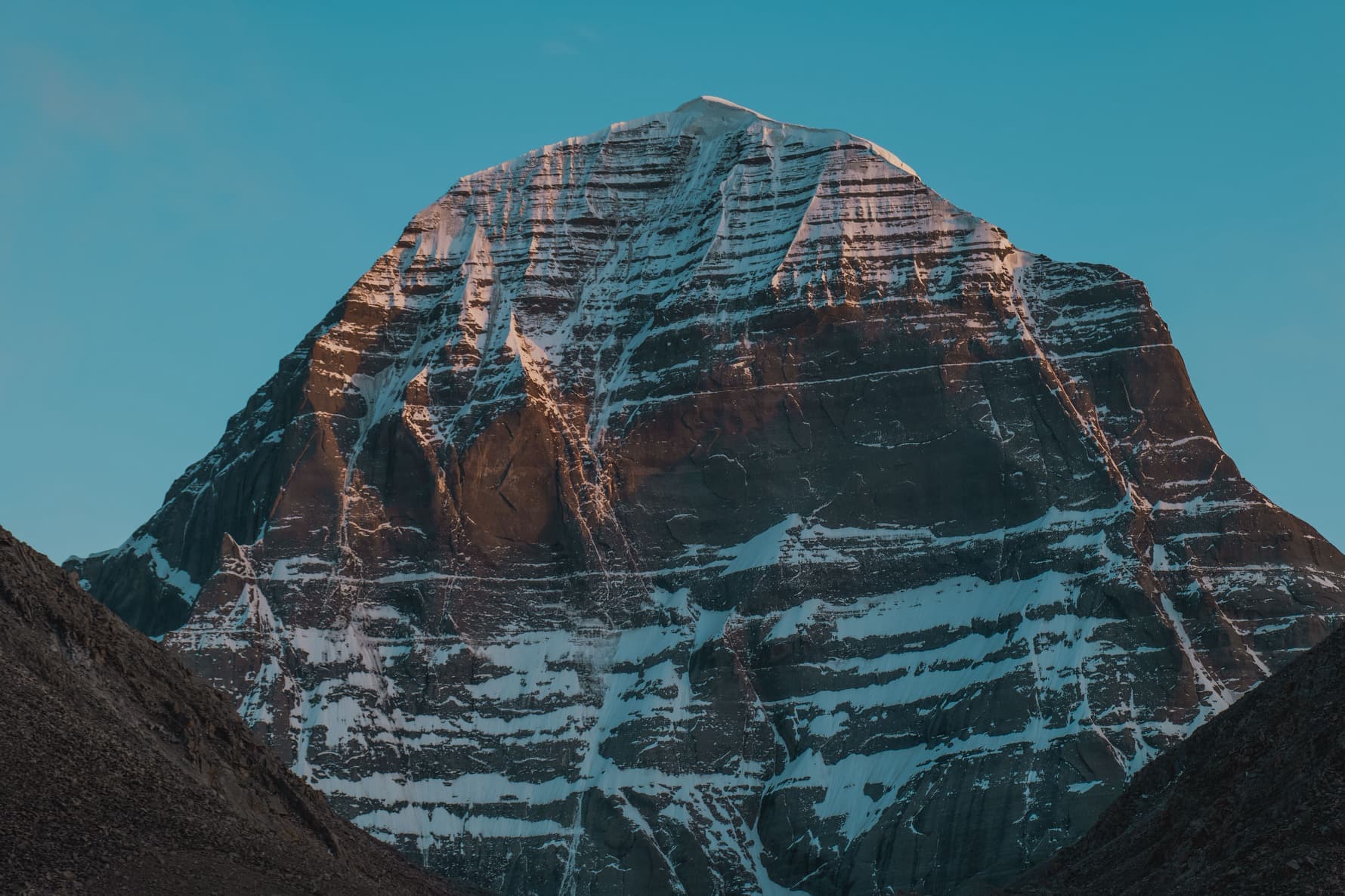
Mount Kailash is a majestic peak that symbolizes sacred space and spiritual enlightenment for millions of people. Buddhists consider it the dwelling place of Buddha Shakyamuni, while Hindus believe that Shiva resides here. The pilgrimage to Kailash is an opportunity to touch the very essence of spiritual practice.
Every step on the sacred kora (the path around the mountain) becomes an act of meditation and self-reflection. Here, at an altitude of over 4,700 meters, you experience physical exertion while simultaneously confronting your own thoughts and emotions. This experience can become a catalyst for significant changes in your life.
Compared to other sacred places—Mecca or Varanasi—Kailash offers a unique harmony. It can be achieved through physical effort and inner focus. There are no temples with golden domes; the entire space is a temple.
How to Prepare for a Pilgrimage to Kailash
-
Physical Preparation: Start training at least 2–3 months in advance. Cardiovascular exercises—running, swimming, cycling—will help build endurance. Strengthen your leg muscles. Take several long hikes to acclimate your body to extended walks.
-
Altitude Adaptation: Kailash is at a significant altitude. Spend a few days in Lhasa or other high-altitude areas to help acclimatize. You may need medication for altitude sickness (such as acetazolamide), but the decision is up to your doctor.
-
Spiritual Preparation: Set your mind for inner work. Practice breathing exercises and meditation. This will help you better overcome physical challenges and deepen your spiritual perception.
-
Equipment: Gather the right gear. Quality trekking boots, a waterproof jacket, warm clothing, and sun protection are essential. Don’t forget a first-aid kit and hygiene supplies.
-
Route Planning: Decide which route suits you best. You can choose Kailash: Sacred Kora from Lhasa or Kailash via Nepal: Kora with Gosainkunda. Both routes offer unique views and opportunities for deep immersion in the culture.
Proper preparation is key to a successful pilgrimage. Take care of yourself in advance, and your journey around Kailash will become a profound experience of self-discovery.
Physical and Mental Preparation

The pilgrimage around Kailash is both a spiritual and physical challenge. Honestly, it is impossible to simply show up and complete the kora without preparation. To make your journey as comfortable and profound as possible, prepare both physically and mentally in advance.
Recommended Workouts and Exercises for Trek Preparation
The route around Kailash includes significant altitudes and diverse landscapes. Strengthen your physical condition beforehand:
-
Cardiovascular Exercises: Engage in running, swimming, or cycling 3–4 times a week for 30–60 minutes. Build your endurance.
-
Strength Training: Focus on your leg and core muscles. Squats, lunges, and core exercises will prepare your body for the exertion.
-
Weighted Walking: Walk with a backpack, gradually increasing the weight. Start with 5–7 kg and work up to 10–12 kg a few weeks before your trip.
-
Nature Hikes: Use weekends for long walks in hilly or mountainous areas. Get accustomed to altitude and varying conditions.
Meditation and Mental Preparation Before the Journey
In practice, the pilgrimage to Kailash is spiritual work. Therefore, it is worth paying attention to mental preparation:
-
Meditation Practice: Start meditating daily for at least 10–15 minutes. This will calm your mind and prepare you for inner work during the trek.
-
Breathing Exercises: Learn simple breathing techniques—such as pranayama or mindful breathing practices. They will help you control your breath and relax in challenging situations.
-
Visualization: Imagine successfully completing the pilgrimage and immersing yourself in the atmosphere of the sacred place. This sets a positive tone.
List of Essential Items for a Comfortable Journey
The right equipment is the key to your comfort and safety. Here’s what you will need:
-
Footwear: Quality trekking boots with good cushioning. Be sure to test them on short hikes in advance.
-
Clothing: A layered system—thermal underwear, fleece jacket, waterproof jacket. Warm socks and a head covering.
-
First Aid Supplies: A kit with bandages, antiseptics, and anti-inflammatory medications. Altitude sickness medication (if recommended by your doctor).
-
Hygiene Supplies: Comfortable trekking towels, soap, personal items.
-
Sunscreen: High SPF sunscreen and sunglasses.
Preparing for a pilgrimage to Kailash requires time and effort. But these steps will help you physically and spiritually prepare for this significant journey. If you want to learn more about the routes—such as Kailash: Sacred Kora from Lhasa or Kailash via Nepal: Kora with Gosainkunda—we are ready to help.
Logistics and Permits

Preparing for a pilgrimage to Kailash involves careful organization of logistics. Let’s start with how to properly organize your trip.
How to Organize
Your Trip: Choosing a Route, Planning Time
Choosing a route is the first and perhaps most important step. Kailash is accessible via several approaches, each offering a unique experience. You can choose a route through Nepal or from Tibet. If you want to relax and enjoy the local culture, consider stops at nearby sacred sites—Lhasa or Shigatse.
Planning your time is equally important. The pilgrimage usually takes 10 to 14 days, including acclimatization. Allocate enough time. Also, consider the season: the best time for trekking is from May to October when the weather is most favorable.
Permits for Accessing Kailash: Where and How to Obtain Them
To visit the sacred mountain Kailash, you need to obtain special permits. These documents vary depending on the route:
-
Tibetan Permits: If you choose the route through Tibet, you will need a Tibetan tourist visa and a permit to enter the area. This can be obtained through a travel company. We can help you organize all the necessary documents so you don’t have to worry about bureaucracy.
-
Nepalese Permits: When traveling through Nepal, you need to obtain a permit to enter Sagarmatha National Park and a trekking permit for the region. For some sections, hiring a local guide may be required.
We recommend starting the permit application process at least 1–2 months before your planned trip to avoid unexpected delays.
Details on Transportation (Buses, Local Guides)
Transportation to Kailash can be quite an adventure. Typically, tourists use buses that depart from major cities—Lhasa or Shigatse. Here are a few points:
-
Buses: The roads to Kailash can be challenging. Choose bus companies with good reviews. The journey usually takes between 12 to 24 hours, depending on the route.
-
Local Guides: Hiring a local guide is a requirement for obtaining a permit and a great way to gain a deeper understanding of the region's culture and traditions. Guides assist with acclimatization and ensure your safety during the trek.
We hope these tips help you successfully organize your pilgrimage to Kailash. If you are interested in specific routes—such as Kailash: Sacred Kora from Lhasa or Kailash via Nepal: Kora with Gosainkunda—we are happy to assist.
Budget and Expenses

The pilgrimage to Kailash is both a spiritual and financial adventure. To ensure your trip goes smoothly and without unnecessary stress, evaluate your overall budget in advance. Here are some key points.
Estimating the Overall Budget for the Pilgrimage
Your budget will depend on several factors: transportation, accommodation, food, and additional expenses. Let’s consider each of these aspects:
-
Transportation: Bus tickets from Lhasa to Kailash cost around 100–150 yuan (approximately 15–25 USD) one way. The roads can be challenging, and travel time can be lengthy. Plan an extra day for acclimatization.
-
Accommodation: Prices for hotels and hostels range from 50 to 300 yuan (about 7–45 USD) per night. If you want to save money, choose hostels or local guesthouses. Accommodation options near Kailash may be limited—book in advance.
-
Food: Budget around 50–100 yuan (7–15 USD) per day for meals if dining in local cafes. The dishes are simple but hearty—important for maintaining energy during trekking.
Tips for Saving Money and Choosing Affordable Accommodation Options
-
Book in Advance: Use online platforms to compare prices for accommodation. Find the best deals. On-site, accommodation is often more expensive.2. Group Trips: Traveling with friends or in a group significantly reduces transportation and accommodation costs. Sharing a rental car or guide can also be beneficial.
-
Local Cuisine: Try local dishes at street markets. It's economical and allows you to better understand the culture.
-
Special Offers: Jay Shambo programs often include transfers and accommodation. For example, Kailash: Sacred Circumambulation from Lhasa and Kailash via Nepal: Circumambulation with Gosainkunda offer packages that can be cost-effective.
Examples of Expenses for Jay Shambo Programs
When planning a pilgrimage, keep in mind that Jay Shambo programs include many aspects — this allows you to focus on the spiritual and physical aspects of the journey. For instance, the program Kailash: Sacred Circumambulation from Lhasa includes transfers and excursions, reducing the need for independent bookings.
When budgeting for a pilgrimage to Kailash, consider all aspects — from transportation to meals. Advance planning and choosing the right programs will help make your trip spiritually enriching and financially justified.
Pilgrims' Experiences

The pilgrimage to Kailash is a physical journey and a deep inner process. Many who have walked this path share unique stories that can be helpful for those who are just about to embark on this sacred journey.
Personal Stories from
Those Who Have Walked This Path
One pilgrim, Maria from Moscow, describes her journey as a "reboot." She noted that the physical challenges — altitude and difficult terrain — helped her confront her inner fears and doubts. "Every step on the Kailash circumambulation was a step towards understanding myself," she says. Her advice for future pilgrims: start preparing in advance, paying attention not only to physical fitness but also to meditation. They will help tune your mind to embrace the journey.
Another pilgrim, Sergey from St. Petersburg, shares that he had to face unpredictable weather and changes in the schedule. "The difficulties became part of the journey, and it taught me to be flexible," he recounts. Sergey recommends bringing warm clothing and being ready for any changes.
Lessons and Tips from Experienced Travelers
-
Physical Preparation: Start training a few months before the trip. Regular hikes and sports will build endurance. Try to first walk to the nearest hill, then gradually increase the distance.
-
Mental Preparation: Practicing meditation or yoga will prepare you for the emotional challenges of the pilgrimage. Spend at least 10–15 minutes a day focusing on your breathing and inner state.
-
Proper Gear: Be sure to bring quality footwear, a waterproof jacket, and warm clothing. Trekking poles can also be useful for additional support.
-
Health Care: It is advisable to consult a doctor before the trip, especially if you have chronic illnesses. Take precautions against altitude sickness — familiarize yourself with the symptoms and recommendations for acclimatization in advance.
The Impact of Pilgrimage on Personal Life and Spiritual Development
Pilgrims often note that the trip to Kailash significantly changed their perception of life. Many return with a new understanding of their goals and values. One pilgrim, Anna, shares that after returning from the pilgrimage, she decided to change her profession and pursue what truly resonates with her.
The spiritual aspect of pilgrimage is a source of deep insights. It helps establish a connection with oneself and the surrounding world. Jay Shambo programs are designed to support you on this path, providing everything necessary for a comfortable and safe pilgrimage.
The pilgrimage to Kailash is an opportunity to explore sacred places and delve deep within yourself. Prepare for this journey with love and attention, and it will become an unforgettable experience for you.
FAQ

How to Organize a Pilgrimage to Kailash?
First, choose the right route. You can embark on a pilgrimage through Nepal or Tibet — each of these countries offers its unique conditions and beauty. It is recommended to book a spot in a group in advance to receive support and the experience of a guide. Programs like Kailash: Sacred Circumambulation from Lhasa and Kailash via Nepal: Circumambulation with Gosainkunda provide full support.
How to Trek to Mount Kailash?
The trek around Kailash is approximately 52 kilometers and usually takes 3–4 days. It starts from the village of Darchen. Prepare for changing weather conditions and high-altitude challenges. Be sure to acclimatize before starting the trek, especially if arriving from lowland regions. Monitor your condition and take breaks to rest.
What Are the Risks of Pilgrimage to Kailash?
The main risks are related to altitude and weather changes. Symptoms of altitude sickness can manifest differently in each person. Be attentive to your well-being and do not hesitate to inform your guide if you feel unwell. Also, consider the possibility of strong winds and rain, especially during the rainy season (June–September).
What Permits Are Needed to Visit Kailash?
To visit Kailash and Tibet, an entry permit is required, which is usually arranged through a travel company. A special permit may be needed for pilgrimage. It is best to research all requirements in advance and take care of the documents through your travel company.
How to Prepare for Physical Strain During the Trek?
Physical preparation is key to a successful pilgrimage. It is recommended to start training 1–2 months before the trip. Include cardio workouts in your program — running, cycling, hiking. Gradually increase the distance and altitude of your training. It is helpful to familiarize yourself with high-altitude conditions — for example, by taking walks in the mountains if possible.
What to Bring on a Pilgrimage to Kailash?
Pack a minimal yet complete set. Here are the essentials:
-
Clothing: thermal underwear, waterproof jacket, insulated pants, comfortable trekking boots.
-
Gear: backpack (40–60 liters), sleeping bag for low temperatures, tent (if accommodation is not provided).
-
First Aid Kit: altitude sickness medication (if recommended by a doctor), pain relievers, band-aids.
-
Food: light snacks, energy bars.
-
Documents: passport, permits, insurance.
The pilgrimage to Kailash is a physical challenge and a profound spiritual experience. Prepare with care for yourself, and your journey will be unforgettable.