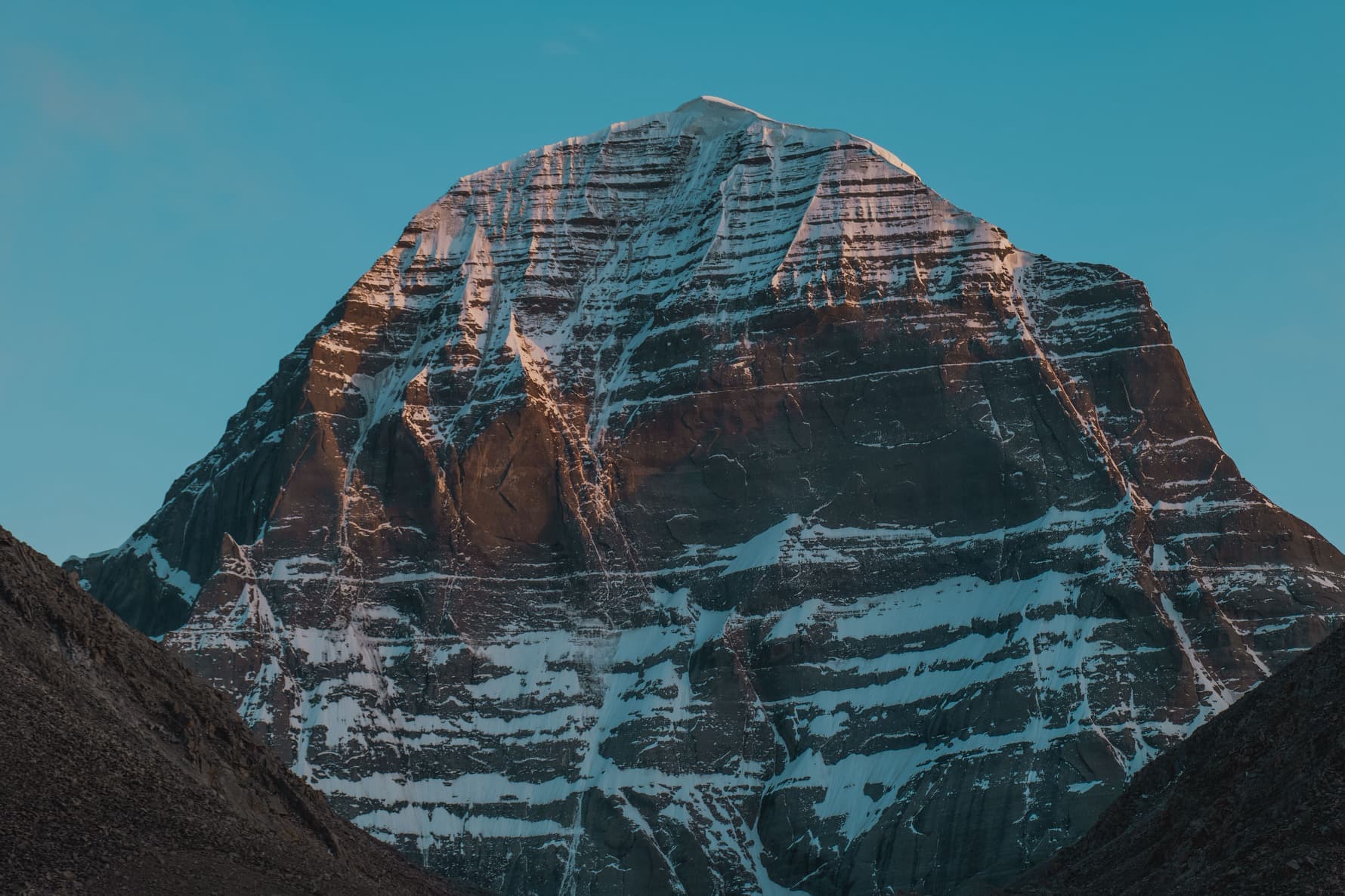
Acclimatization Before the Kailash Circuit

Kailash stands at an elevation of 6,638 meters, and the circuit itself takes place between 4,600 and 5,630 meters above sea level. For the body, this is a serious challenge: at such heights, the air contains 40-50% less oxygen than in lowland cities. Proper acclimatization is not just preparation; it is the foundation of safety and determines how profound your experience will be.
I have seen people arrive in Tibet unprepared, and by the second day, they could not get out of bed. Conversely, those who ascended gradually completed the circuit calmly, with clear heads and open hearts. In this article, you will find everything you need to know about acclimatization before Kailash: how altitude sickness works, how many days to allocate for adaptation, what to do along the way, and what to avoid.
What Happens to the Body at Altitude
When you ascend above 2,500 meters, the body enters a state of hypoxia due to oxygen deficiency. The heart begins to beat faster, breathing accelerates, and the blood thickens. If the ascent is too abrupt, the body does not have time to readjust, leading to mountain sickness.
Main Symptoms
- Headache (often a pressure-like sensation in the forehead and back of the head)
- Nausea, loss of appetite
- Weakness, dizziness
- Sleep disturbances: insomnia or, conversely, drowsiness
- Shortness of breath even with minimal exertion
Light symptoms are common among most people, and that is normal. However, if symptoms worsen, they must not be ignored.
Serious Signs (Require Immediate Descent)
- Severe headache that does not respond to medication
- Vomiting, uncontrollable nausea
- Confusion, loss of coordination
- Coughing with frothy sputum (a sign of pulmonary edema)
- Cyanosis of lips and nails
Honestly, such cases are rare if the ascent rules are followed. However, it is important to know the limits, beyond which only descent and medical assistance can help.
Why You Shouldn’t Ascend Directly to Kailash
Many pilgrims fly into Lhasa (3,650 m) or Kathmandu (1,400 m) and want to reach the sacred mountain as quickly as possible. But physiology does not tolerate haste.
If you ascend from 1,500 to 4,500 meters in one day (for example, flying from Kathmandu to Ngari), the risk of severe mountain sickness increases dramatically. The body simply does not have time to activate its adaptive mechanisms: the production of red blood cells, changes in blood acidity, and respiratory adjustments.
In practice, the optimal scenario is a gradual ascent with overnight stays at intermediate altitudes. This allows the body to "activate" protective responses without stress.
How Many Days Are Needed for Acclimatization
There is no universal recipe; each person adapts differently. However, there are proven schemes that we use in Kailash tours.
Minimum: 5-7 Days from Arrival to Start of the Circuit
- Days 1-2: Arrival in Lhasa (3,650 m), rest, light walks around the city.
- Days 3-4: Visiting monasteries (Jokhang, Sera, Drepung) at the same altitude, short ascents.
- Day 5: Transfer to Shigatse (3,900 m) or another intermediate point.
- Days 6-7: Transfer to Lake Manasarovar (4,590 m), overnight stay, light circuit around the lake.
- Day 8: Transfer to Darchen (4,600 m), the base camp for Kailash.
- Day 9: Start of the circuit.
This plan gives the body time to adjust gradually. In our groups, there are always people with mild symptoms, but no one drops out.
Optimal: 10-14 Days
If you have the time, it's better to allow extra days at an altitude of 3,500-4,000 m. For example: an extra day in Lhasa for an acclimatization hike to Gandan or Chagpori Hill; an overnight stay in Gyantse (4,040 m) on the way to Shigatse; two days at Manasarovar instead of one.
Such a schedule reduces the risk of mountain sickness to almost zero and allows you to approach the circuit with plenty of energy.
Rules for Safe Acclimatization
Ascent: No More Than 300-500 m per Night
This is the golden rule of mountaineering. You can ascend higher during the day, but you should sleep lower than the altitude where you spent most of your time. For example, ascend to a pass at 5,000 m during the day, but sleep at 4,600 m.
Drink Plenty of Water
At altitude, the body loses fluids more quickly: through rapid breathing, dry air, and increased urination. The norm is 3-4 liters of pure water per day. Tea and herbal infusions (Tibetans drink hot water with ginger) also count.
Dehydration exacerbates the symptoms of mountain sickness and thickens the blood, increasing the risk of thrombosis.
Move Slowly
The first few days at altitude are not the time for records. Walk at half your usual pace, breathe deeply and evenly. If you feel short of breath, stop, recover your breath, and continue.
During the circuit around Kailash, this is especially critical: every step on the ascent to the Drolma La Pass (5,630 m) requires concentration.
Eat Light
Digestion slows down at altitude. Avoid fatty, fried, and heavy meat dishes. Instead, opt for: porridge (oatmeal, rice); vegetable soups; dried fruits, nuts (in moderation); sweet tea, honey.
Do not overeat. Eat frequently in small portions.
Avoid Alcohol and Sleeping Pills
Alcohol dehydrates, depresses the respiratory center, and reduces blood oxygen saturation. The same goes for most sleeping pills. If you absolutely cannot sleep, it’s better to take a light herbal remedy (valerian, motherwort) – consult a doctor before your trip.
Do Not Suppress Symptoms Unless Absolutely Necessary
A mild headache is a signal from the body that it is adapting. Do not immediately suppress it with medication if you can tolerate it. Rest, drink water, breathe deeply.
However, if the pain worsens or interferes with your sleep, take paracetamol or ibuprofen. Tolerating severe pain can be dangerous.
Medications for Acclimatization
Diamox (Acetazolamide)
The primary medication for the prevention and treatment of mountain sickness. It is a diuretic that accelerates adaptation and reduces the risk of brain and lung edema.
- Dosage Schedule (consult a doctor!): 1-2 days before ascent: 125 mg (half a tablet) in the morning; at altitude: 125 mg in the morning and evening; continue for 2-3 days after reaching working altitude.
- Side Effects: Frequent urination (drink more water); tingling in fingers and toes; altered taste of carbonated drinks.
Diamox is contraindicated for those allergic to sulfonamides and those with severe kidney and liver diseases.
Dexamethasone
A corticosteroid that quickly reduces brain edema. It is used only in severe mountain sickness when time is needed for descent. Not for prevention!
Dosage and administration strictly under a doctor's direction.
Ginkgo Biloba
A herbal remedy that improves blood microcirculation. Some studies show benefits for preventing mild symptoms. Start taking it 5-7 days before ascent.
Its effectiveness is lower than that of Diamox, but it has fewer side effects.
Pain Relievers
Paracetamol and ibuprofen for headaches; No-shpa for cramps if there are stomach issues at altitude.
What to Pack in Your First Aid Kit
- Diamox (by prescription, discuss with a doctor)
- Paracetamol or ibuprofen
- Activated charcoal, Smecta (for stomach upset)
- Adhesive bandages, gauze, antiseptic
- Sunscreen SPF 50+, lip balm
- Personal medications, if you have chronic illnesses.
A complete list will be sent to participants of the Kailash pilgrimage one month before departure.
Physical Preparation Before the Trip
Acclimatization is not just about altitude. If you are in good physical shape, your body will handle stress more easily.
2-3 Months Before Kailash
- Cardio Workouts: Running, swimming, cycling 3-4 times a week for 40-60 minutes. The goal is to strengthen the heart and lungs.
- Hiking with a Backpack: If possible, hike on weekends with a backpack of 5-7 kg. Get used to uneven trails.
- Breathing Exercises: Pranayama practices (full yogic breathing, Kapalabhati) increase lung capacity and teach you to control your breathing.
2 Weeks Before Departure
Reduce the intensity of your workouts. Your body needs to recover and build resources, not arrive in Tibet exhausted.
Acclimatization on the Route: What to Do Along the Way
First Day in Lhasa
After arrival, do not rush. Even if you feel energetic, avoid active walks on the first day. A light walk around Barkhor (the circular pilgrimage path around Jokhang) is fine, but not more than an hour.
Drink water, rest, and go to bed early. Sleep at altitude is often superficial, but that is normal.
Lhasa: 2-3 Days
Visit monasteries, take short ascents to viewpoints. The Potala Palace, Sera and Drepung monasteries are at different altitudes, providing natural acclimatization.
Do not skip breakfast and lunch. Eat even without appetite.
Manasarovar: Overnight Stay and Circuit
Lake Manasarovar (4,590 m) is the next step. Here, many begin to feel the first symptoms: a mild headache, shortness of breath while walking. This is a signal that the body is working.
A light circuit around the lake (about 4 km) helps to "kickstart" adaptation. Walk slowly, stop, and admire the water; it truly is a cosmic turquoise color.
Darchen: Day Before the Circuit
In Darchen (4,600 m), the base camp for Kailash, it is advisable to spend at least one night before starting the circuit. If you feel weakness or a severe headache, do not hesitate to ask for an extra day of rest.
In our tours, the schedule is flexible: if the group needs more time, we adjust the route.
What to Do If Symptoms Worsen
Mild Mountain Sickness
Stop, rest; drink 0.5-1 liter of water; take a headache pill; do not ascend higher until you feel better.
Usually, symptoms subside within 1-2 hours.
Moderate Symptoms (Nausea, Severe Weakness)
Take Diamox if you haven’t already; avoid heavy food, drink sweet tea; if you planned to sleep higher, descend 200-300 m lower or stay at the same altitude; inform your guide or companions about your condition.
Severe Symptoms (Confusion, Loss of Coordination, Coughing with Blood)
Immediate descent is necessary. This is not up for discussion. Every hour of delay can be life-threatening.In our tours, there is always a connection with a coordinator, access to oxygen tanks (in case of emergency), and an evacuation plan. However, this rarely becomes necessary if you follow the rules.
Oxygen Tanks: Pros and Cons
Portable compressed oxygen tanks are sold in Lhasa and Darchen. Many tourists take them "just in case."
When Oxygen is Needed
- In emergency situations (severe altitude sickness);
- Chronic lung or heart conditions (with doctor's approval);
- Nighttime sleep, if you simply can't fall asleep due to shortness of breath (short-term).
Why Not to Overuse
If you constantly breathe oxygen, your body will not adapt on its own. Once you take off the mask, you will find yourself in the same situation or worse.
Oxygen is a temporary support, not a substitute for acclimatization.
Individual Characteristics: Who is at Risk
Age
Both young and older individuals can adapt well or poorly; age is not the main factor. However, people over 60 should undergo a cardiological examination before the trip.
Gender
Statistically, women tolerate altitude slightly better than men. But the difference is minimal.
Physical Condition
Athletes are not immune to altitude sickness. On the contrary, the habit of high loads can sometimes hinder: a person may move too fast and overload their heart.
Chronic Conditions
Contraindications for traveling at high altitude include: severe heart failure; chronic obstructive pulmonary disease (COPD) in an exacerbation phase; sickle cell anemia; having had a stroke or heart attack less than six months ago.
If you have chronic conditions, make sure to consult your doctor and obtain a certificate stating that altitude activities are not contraindicated for you.
Acclimatization and Spiritual Practice
Kailash is not just a mountain. It is a place of power, and many pilgrims come here not only for the physical feat but for internal transformation.
Interestingly, proper acclimatization also aids spiritual practice. When the body is not struggling for survival, the mind becomes calmer, and attention sharper. You can fully participate in rituals, meditate, and feel the energy of the place.
I have seen several times how people, exhausted by altitude sickness, completed the circumambulation mechanically, through pain and effort. In contrast, those who arrived at Kailash prepared described their experience as a deep engagement: every turn of the path, every glance at the mountain was conscious and filled with meaning.
What to Do After the Circumambulation
After completing the circumambulation, the body remains in a state of stress for a few days. Don't rush straight to the plane.
Descent
It is ideal to spend a night at an altitude of 3,500–4,000 meters (for example, again in Shigatse or Lhasa) before flying home. A sudden descent to lower elevations also puts a strain on the body, albeit not as dangerously as an ascent.
Recovery
In the first days, eat light food; drink plenty of water; avoid alcohol for at least a week; do not plan physical activities immediately upon return.
Give yourself time to "return to your body."
Psychological Readiness
Altitude is not just a physical challenge. Symptoms of altitude sickness (headache, weakness, insomnia) can cause anxiety, especially if you are at such heights for the first time.
Remember: mild symptoms are normal. Don't panic. Listen to your body but don't overthink it. Calm, steady breathing and trust in the process are half the success.
Meditative practices, mantras, and prayers (if they resonate with you) can help manage anxiety and maintain inner peace.
How We Organize Acclimatization in Jay Shambo Tours
When you embark on a pilgrimage to Kailash with us, the itinerary is designed so that acclimatization occurs naturally, without haste.
What's Included in the Program
- A minimum of 5–7 days of gradual altitude gain;
- Overnight stays at intermediate altitudes (Lhasa, Shigatse, Manasarovar);
- Acclimatization walks and circumambulations around the lake;
- Flexible schedule: if the group needs an extra day of rest, we adjust the plan;
- An experienced guide who knows the symptoms of altitude sickness and can assist;
- Access to medical supplies (oxygen tanks, first aid kit);
- Constant communication with the coordinator.
Honestly, most participants complete the circumambulation without serious problems. Mild headaches or shortness of breath can occur, but this is part of the adaptation process. The key is to take your time and listen to yourself.
Checklist: Readiness for Acclimatization
Before the trip, check that everything is covered:
- Medical examination completed (cardiologist, therapist).
- Consultation with a doctor on taking Diacarb obtained.
- First aid kit prepared (see list above).
- Course of cardiovascular training completed (2–3 months).
- Comfortable trekking shoes purchased (broken in!).
- Appropriate clothing for altitude prepared (warm, breathable, layered).
- Psychologically ready for a slow pace and possible mild symptoms.
If all items are checked off, you are on the right track.
Conclusion
Acclimatization before the circumambulation of Kailash is not a formality but a self-care practice. A body that has adapted to the altitude will give you the chance to complete the circumambulation consciously, with an open heart, without struggling for every breath.
Allow enough days, move slowly, drink water, and listen to your sensations. And remember: Kailash is not in a hurry. The mountain has waited for thousands of years; it will wait another day if your body needs rest.
If you have any questions about acclimatization or are planning a trip to Kailash, feel free to reach out to us. We will share our experience and help you prepare so that your journey is safe and profound.
You can find more details and dates of upcoming tours here: Pilgrimage to Kailash.
Why is Acclimatization Necessary?

Acclimatization before the circumambulation of Kailash is not a formality but crucial for your well-being, safety, and the very possibility of completing the journey. The route passes at altitudes up to 5,630 meters (Dolma-La Pass), and the body needs time to learn to function in low-oxygen conditions. Without preparation, the body simply cannot cope.
Why Acclimatization is a Safety Issue
- The body needs to readjust. At altitude, the partial pressure of oxygen decreases, forcing the lungs to work harder, the heart to pump blood faster, and the kidneys to change their filtration mode. Typically, 2–3 days at each new elevation is required for the body to adapt.
- Reduces the risk of overload. Acclimatization helps conserve energy: you move steadily, don't get breathless on flat terrain, and recover faster. This is especially valuable on multi-day routes, where each day requires physical effort.
- Psychological resilience. When the body copes, the mind is calm. You can focus on your practice and the meanings of the pilgrimage, rather than how to make it to the next rest stop.
What Happens if Acclimatization is Insufficient
Acute mountain sickness (AMS) is not an abstract concept. We have seen how people who ascended too quickly lost the ability to proceed. Symptoms can include:
- Headache is the first signal that the body is struggling. It often appears on the very first evening at a new altitude.
- Nausea, vomiting are reactions to hypoxia; if ignored, the condition worsens.
- Weakness, dizziness lead to an inability to perform usual tasks, and coordination may be impaired.
- Pulmonary or cerebral edema in severe cases requires emergency descent and medical assistance. Without it, the consequences can be irreversible.
How to Acclimatize Properly
- Ascend slowly. No more than 300–500 meters of altitude gain per day after 3,000 meters. If the program includes a steep ascent, it is important to set aside a day of rest at the new altitude.
- Sleep lower than you climbed during the day. A classic rule among climbers: climb high, sleep low. Even a walk 100–200 meters above the camp with a return to sleep improves adaptation.
- Drink plenty of water. At least 3–4 liters per day. Dehydration exacerbates AMS symptoms and slows down acclimatization.
- Listen to your body. If you feel a worsening headache, nausea, or shortness of breath at rest, stop, rest, and if necessary, descend lower. Don't hesitate to inform your guide about your condition.
- Review the program in advance. Routes differ in acclimatization profiles. For example, Kailash: Sacred Circumambulation from Lhasa includes several days in Lhasa (3,650 m) and a gradual ascent, while Kailash via Nepal: Circumambulation with Gosainkunda offers additional acclimatization in the foothills and lakes of Nepal. Choose a program that allows your body time to adjust.
Acclimatization is not just physiology but also a mindset. When you respect the rhythm of altitude, your body responds with strength, and your mind with clarity. And the circumambulation becomes not a struggle for survival, but the journey you came for.
Acclimatization Before the Circumambulation of Kailash
How Altitude Affects the Body and Mood

When you ascend to great heights, your body begins to readjust. These processes can affect both your physical condition and your perception of the journey — how easy it is to walk, how clearly you think, and what your mood is like.
Physiological Changes Happening in the Body at High Altitude
At altitudes above 2,500 meters, the air becomes thinner, and the body reacts:
- Increased breathing rate the body tries to get more oxygen from each breath.
- Increased red blood cell count red blood cells are produced more actively to better transport oxygen to tissues.
- Changes in pressure decreased atmospheric pressure can cause headaches, heaviness, and fatigue.
- Decreased oxygen levels in the blood if tissues do not receive enough oxygen, hypoxia occurs.
These changes are normal; the body adapts. However, unprepared travelers may experience discomfort, especially in the first few days.### The Impact of Altitude on Psycho-Emotional State: Possible Feelings of Anxiety and Fatigue
At high altitudes, the burden affects not just the body but also the mind. Here’s what may manifest: Feelings of anxiety due to hypoxia may sometimes exacerbate anxious thoughts, fears, and inner restlessness. Fatigue and weakness even simple actions require more effort, leading to a sense of exhaustion. Mood swings emotional states can be unpredictable: irritability, sadness, and euphoria may alternate. Cognitive impairments slowed reaction times, distractibility, and decreased concentration.
Honestly, this can be surprising if you're not prepared in advance. However, by paying attention to acclimatization, most of these conditions can be mitigated or avoided.
Acclimatization Recommendations Gradual Increase in Altitude do not ascend more than 300-500 meters a day, especially in the first few days. This is the golden rule of mountain routes. Regular Breaks stop, rest, and give your body time to adapt to the new level. Maintain Hydration drink enough water to avoid dehydration. At altitude, this is critical. Listen to Your Body do not ignore symptoms that may indicate acclimatization issues: headaches, nausea, dizziness. Study the Route Features familiarize yourself with the conditions and difficulty in advance. For example, the program Kailash: Sacred Kora from Lhasa includes a smooth ascent through the Tibetan Plateau, while Kailash via Nepal: Kora with Gosainkunda offers additional acclimatization in the lakes area at heights of 4000+ meters.
Preparing for the Kailash Kora involves both physical and psychological work. By focusing on acclimatization, you not only enhance your chances of successfully completing the route but also gain more joy from the journey itself.
What Does Proper Acclimatization Provide?

Proper acclimatization before the Kailash Kora is what separates your comfort from pain, and conscious pilgrimage from struggling for every breath. Honestly, we have seen both stories: when a person walks easily, open and immersed in the space, and when every step is a struggle. The difference lies in preparation.
Improved Endurance and Overall Well-Being
As your body gradually adapts to the altitude, you will notice: your breathing stabilizes, headaches cease, and your legs carry you. This is not magic; your body has time to adjust its blood biochemistry, produce more red blood cells, and learn to conserve oxygen. In practical terms, this means you will be able to complete the kora with a clear mind, rather than struggling through.
- Reduced Risk of Altitude Sickness: A gradual ascent allows the body time to adapt. No heroics; every 300-500 meters a day, as doctors recommend.
- Improved Physical Condition: Short acclimatization walks strengthen muscles and improve stamina without excessive strain.
- Quality of Sleep: With proper acclimatization, you sleep more soundly and recover faster, which is critical at altitude, where the body is already working hard.
The Ability to Enjoy the Journey and Surrounding Nature
Kailash is not a sporting race. It is a space that opens up when you are ready. When your body is adapted, you stop counting steps and begin to see: how the light falls on the northern slope, how the juniper smells at the Drolma-La Pass, how Tibetans circumambulate the mountain barefoot.
- Perception of Space: You notice details—the color of the sky, the lines of the ridges, the faces of the pilgrims, not just the path under your feet.
- Emotional State: Lightness in the body brings lightness to the heart. You are open to people, traditions, and internal shifts.
- Memory and Photos: You will have the energy to stop, take a picture, and remember the moment without the feeling of "just needing to get there."
Acclimatization Recommendations
- Gradual Altitude Gain: Do not ascend more than 300-500 meters a day after reaching 3000 m. It’s better to go slowly than to descend with pulmonary edema.
- Regular Breaks: Stop, breathe, drink water. Give your body the chance to "digest" the altitude.
- Hydration: Drink more than you’re used to: 3-4 liters of pure water daily. Dehydration can mask symptoms of altitude sickness.
- Listen to Your Body: Headaches, nausea, dizziness—don’t be a hero. A day of rest is better than evacuation.
- Study the Route in Advance: The routes Kailash: Sacred Kora from Lhasa and Kailash via Nepal: Kora with Gosainkunda have different altitude profiles; the first offers more days for acclimatization in Tibet, while the second adds trekking in the Himalayas of Nepal.
Preparing for the kora is not just about physical fitness but also about internal mindset. When you pay attention to acclimatization, you are not just safeguarding your health; you are giving yourself the chance to complete Kailash consciously, with respect for the space and your own body.
How to Prepare for Acclimatization?

Acclimatization before the Kailash Kora is key to completing the entire journey without setbacks and acute mountain sickness. In practice, I have seen that those who prepare consciously walk more easily, breathe more evenly, and can focus on the pilgrimage itself rather than on their pulse and temples. Proper preparation gives you a reserve of strength, making altitude less of an enemy.
Physical Preparation: Tips for Training and Building Endurance
- Cardio Workouts. Running, swimming, cycling—anything that keeps your heart rate up for a long time. Aim for 150-300 minutes of moderate intensity per week; if you can do more, even better.
- Mountain Hiking. If there are hills or mountains nearby, hike there with a backpack. Your body remembers ascents and learns to conserve oxygen. Even low trails give a sense of rhythm and effort.
- Strength Training. Strengthen your legs, back, and core; you will carry a backpack for 12-15 km a day over rocky terrain. Squats, lunges, planks, and push-ups with your body weight work excellently.
- Flexibility. Yoga or stretching after workouts reduces the risk of injury and helps you recover faster. Flexible ligaments mean less pain on descents.
- Regularity. Start 2-3 months in advance, gradually increasing the load. The body does not adapt in a week; it needs time to rebuild capillaries, mitochondria, and lung volumes.
Nutrition and Water: What to Eat and Drink Before the Kora
- Balanced Diet. Carbohydrates (grains, whole grain bread), protein (legumes, eggs, fish), healthy fats (nuts, avocado, oils). Vegetables and fruits every day provide vitamins and fiber.
- Hydration. For a week before departure, drink at least 2-3 liters of clean water daily. At altitude, dehydration accelerates symptoms of altitude sickness; the body loses moisture through breathing faster than at lower elevations.
- Electrolytes. If you’re training actively, add an isotonic drink or at least a pinch of salt to your water—sodium, potassium, and magnesium are essential for muscles and the heart.
- Avoid Alcohol and Caffeine. Both dehydrate the body; caffeine also increases heart rate, which is unnecessary at altitude. It’s better to minimize intake 3-5 days before the start.
- Light Snacks to Take with You. Nuts, dried apricots, dates, chemical-free energy bars to maintain blood sugar levels while walking.
Additional Tips
- Advance Planning. Visas (Chinese + Tibetan permit if going through Lhasa; Nepalese if going through Kathmandu), insurance covering up to 6000 m, a list of gear—all should be arranged 1-2 months in advance to avoid stress before departure.
- Budgeting. Realistically calculate: flights, visa, insurance, food on the way, accommodation before and after the kora, transportation within Tibet, tips for guides, souvenirs. Allow an additional 10-15% for unforeseen expenses like flight delays, an extra night in a hotel, or pharmacy needs.
- Hidden Costs. Sometimes a horse or yak porter is needed (if you feel unwell), an additional oxygen tank, or emergency evacuation—insurance might not cover everything. Have some cash in yuan or dollars on hand.
- Cost-Saving Tips. If you’re traveling with an organized group, food and logistics are already included, which is more cost-effective and safer than a solo journey. Local tea houses and guesthouses are cheaper, but comfort is minimal; weigh your priorities.
Preparation requires time and discipline, but it also gives you freedom: instead of struggling with your body, you can walk consciously, noticing the details of the landscape, hearing the mantras of the pilgrims, and feeling the silence. If you wish to complete the kora with an experienced team, with proper acclimatization and support at every stage, check out the programs Kailash: Sacred Kora from Lhasa and Kailash via Nepal: Kora with Gosainkunda. We design the route so that the body has a reserve, allowing Kailash to greet you not as a trial but as a gift.
Medications for Preventing Altitude Sickness

When preparing for the Kailash Kora, it’s important to acknowledge that willpower and physical fitness alone are not enough. At altitudes of 4000-5600 meters, the body functions differently, and even experienced travelers can feel a lack of oxygen. Medications are not a crutch for the weak but a tool that helps the body transition more smoothly into high-altitude mode. We always remind our groups: acclimatization is a process that can be assisted if you know how.
Recommended Medications and Their UseThe list below is not a prescription but a guide for discussion with your doctor. We do not provide treatment, but share what has practically helped many participants:
Acetazolamide (Diamox)
Typically started 24 hours before gaining altitude: 125–250 mg twice a day. This medication accelerates the elimination of carbon dioxide and gently encourages the body to breathe more frequently, allowing it to adapt to the thinner air more quickly. Honestly, not everyone enjoys the slight tingling in the fingers (a side effect), but headaches and nausea occur less frequently.
Ibuprofen
400–600 mg every 6–8 hours, but no more than 2400 mg per day. It alleviates headaches, which often arise in the first few days at altitude, and slightly reduces inflammation. Carry a blister pack in your waist bag as you may need a tablet on the trail.
Paracetamol
500–1000 mg every 4–6 hours (maximum 3000 mg per day). It works more gently than ibuprofen and is suitable for those with sensitive stomachs. It relieves pain and mild fever, but its anti-inflammatory effect is less.
Erythropoietin
If your doctor deems it necessary. It increases red blood cell levels and the oxygen-carrying capacity of the blood but requires a prescription and prior course; it is not an emergency aid.
Take not only tablets to Kailash but also a copy of your prescription or a doctor's note (in English) in case of questions at the border.
Discussion on the Need for a Doctor's Consultation
Before heading to the mountains, see a doctor. This is not a formality but genuine care for yourself. Here’s what a meeting with a specialist can provide:
- Honest Risk Assessment. The doctor will review your medical history, blood pressure, and lungs. If you have chronic heart, vessel, or respiratory diseases, they will advise you on whether the pilgrimage is safe for you or if precautions are necessary.
- Individualized Dosage Plan. Standard dosages from the instructions do not take into account your weight, tolerance, and accompanying medications. The doctor will tailor it to you.
- Understanding Side Effects. Acetazolamide, for instance, can cause tingling, dizziness, and rarely, allergies. The doctor will explain when to be concerned and when a reaction is normal.
In practice, we've observed in our groups that someone started Diamox without consultation and then feared any symptom. When there is a clear plan from the doctor, both the participant and the guide feel calmer.
Comprehensive Approach
Tablets are just one part of the puzzle. They will not replace gradual altitude gain, adequate sleep, two to three liters of water a day, and attention to your feelings. Medications help the body adapt more quickly, but if you rush, skip acclimatization stops, or ignore your body's signals, no medication will save you.
If you plan to undertake the pilgrimage with us, check out the programs Kailash: Sacred Pilgrimage from Lhasa and Kailash via Nepal: Pilgrimage with Gosainkunda. Both itineraries include smooth altitude transitions to allow your body to adjust. A first-aid kit and the guide’s knowledge will complement your preparation, but the crucial decision to consult a doctor remains yours.
FAQ

What are the symptoms of altitude sickness and how can I cope with them?
Honestly, symptoms manifest differently for everyone, but there are common ones: Headache is often the first signal. Ibuprofen or paracetamol can help, but the main thing is not to rush higher. Nausea, vomiting drink plenty of water in small sips, avoid fatty and heavy foods. Light soups and porridge are good. Fatigue, insomnia is normal. Rest, do not overestimate your strength. Sleep at altitude can be intermittent; this is temporary.
If symptoms worsen, descend. This is the only reliable way.
How long should I acclimatize before the Kailash pilgrimage?
In practice: At least 2–3 days at an altitude of 3,000–4,000 meters if you have already been to the mountains and know your reaction. Ideally 5–7 days as we do in Jay Shambo groups: Lhasa, Shigatse, Lake Manasarovar. The body gradually acclimatizes, significantly reducing the risk of acute mountain sickness.
Rushing means risking the entire trip.
What are the recommendations for physical preparation before the trip?
You don’t need to be an athlete, but basic endurance will help: Cardio running, swimming, cycling for at least 2–3 months before your trip, 3–4 times a week for 30–40 minutes. Training at altitude if possible, go to the mountains in advance (Domba, Elbrus, Altai). Strength exercises strengthen your legs (squats, lunges) and back (plank, hyperextension). The pilgrimage is 52 km with a backpack, part of the way on rocks.
The main thing is consistency, not intensity.
How to properly choose medications for acclimatization?
Medications are supportive, not a panacea. Always consult a doctor before taking any. Diamox (acetazolamide) start 24–48 hours before ascent, according to the plan provided by your doctor. It helps with breathing and reduces the risk of swelling. Pain relievers ibuprofen or paracetamol for headaches. Vitamins and minerals zinc, magnesium, B vitamins will support the body under stress.
I have seen people rely solely on tablets and ignore the regimen; it did not work.
What is the cost of acclimatization and possible additional expenses?
Acclimatization involves not just medications, but also time, accommodation, and consultations: Medical consultation $50–150 (in Russia or online with a specialist in high-altitude medicine). Medications $20–50 (Diamox, pain relievers, vitamins). Insurance covering altitude is mandatory, $30–100 for the trip (check the helicopter evacuation limit). Additional nights if you decide to stay for acclimatization outside the program, $20–50 per night in a guesthouse.
In our tours Kailash: Sacred Pilgrimage from Lhasa acclimatization is already included in the itinerary, but personal medications and insurance are your responsibility.
How to prepare for temperature fluctuations and weather conditions?
The weather in Tibet is capricious: during the day +15–20 °C, at night down to -10 °C, with wind and snow even in summer. Clothing in layers: thermal underwear (synthetic or merino wool), fleece, down jacket or waterproof jacket. Everything should be lightweight and compact. Footwear trekking boots with a sturdy sole, properly broken in beforehand. Extra socks (wool + synthetic). Accessories gloves (better two pairs: thin and insulated), hat, buff, sunglasses category 3–4. The sun at altitude is very aggressive.
Check everything at home; nothing can be fixed in the field.
How to avoid hidden expenses during the trip?
There will be no hidden expenses if you are prepared: Plan your budget list all items: visa, tickets, gear, personal expenses (souvenirs, communication). Study local prices in Tibet; cash (yuan) is used, ATMs are rare. Bring a reserve. Tipping in restaurants 5–10%, to porters and drivers at your discretion (50–100 yuan per person for the entire trip is normal). Spare day if weather closes the pass, an extra night may be needed. Keep $100–150 in reserve.
We strive to transparently describe all included and excluded services in our itineraries, but personal expenses are your responsibility.
How to best manage acclimatization during the tour?
Three main rules that work in our groups: Gain altitude gradually no more than 300–500 meters per day after 3,000 m. "Climb high, sleep low" is the golden rule. Drink water 3–4 liters a day, even if you don't feel like it. Dehydration exacerbates symptoms. Listen to your body if you're feeling unwell, tell the guide immediately. Pride and silence at altitude are dangerous. Honestly: it’s better to miss one day than to ruin the whole pilgrimage.
I have seen people push through and then had to turn back halfway. Acclimatization is not a weakness but a respect for the mountains.
If you want to learn more about the route and preparation, check out our programs: Kailash: Sacred Pilgrimage from Lhasa and Kailash via Nepal: Pilgrimage with Gosainkunda.