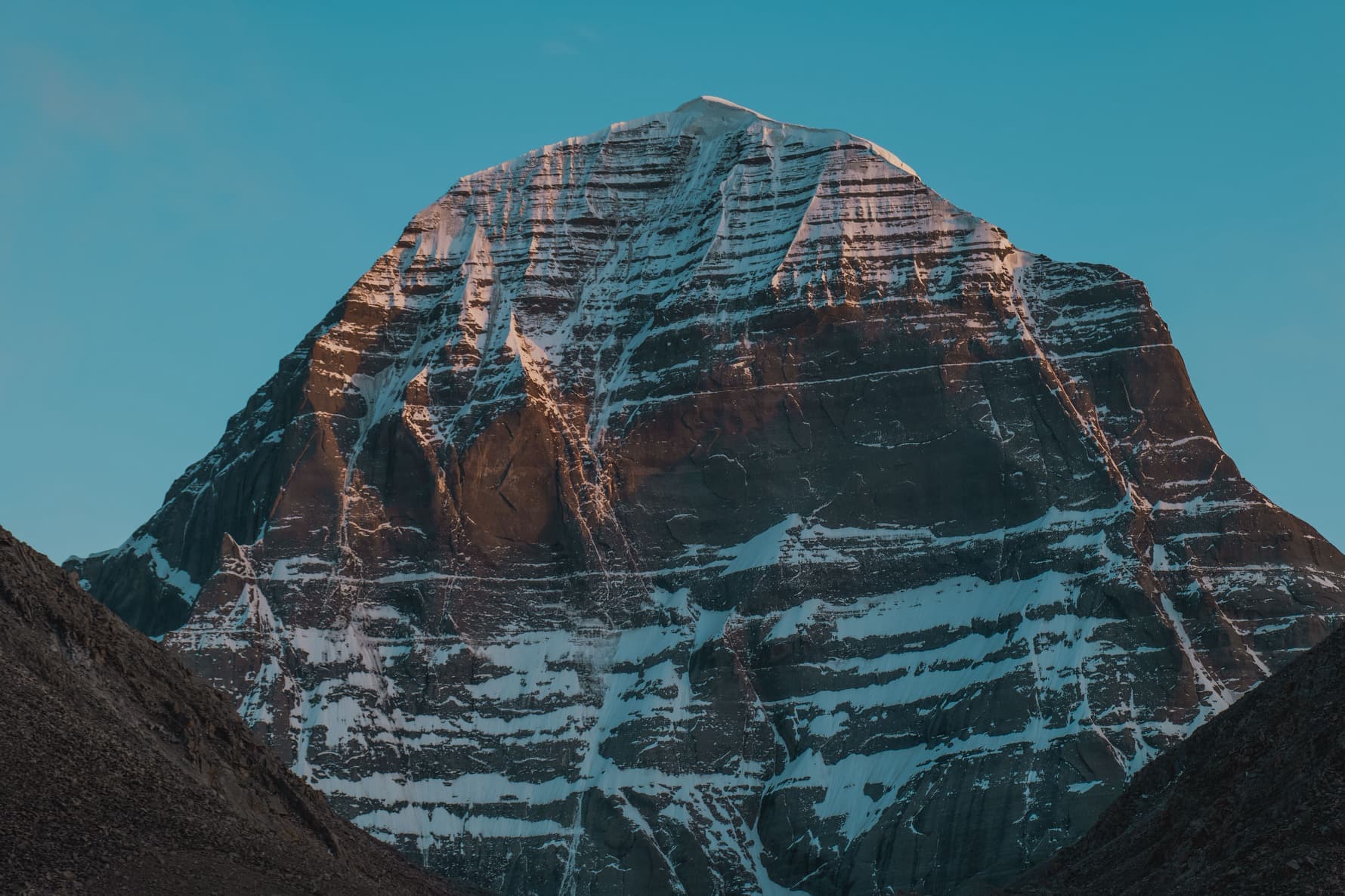
Acclimatization Before the Kailash Kora

1. Why is Acclimatization Necessary?

Acclimatization is the process that allows your body to adapt to high-altitude conditions, where the oxygen level is significantly lower than at sea level. As you ascend above 2500 meters, many people begin to experience discomfort related to the lack of oxygen. This process is important not only for comfort but also for health, especially before the much-anticipated kora around the sacred mountain Kailash.
At high altitudes, some may experience symptoms of altitude sickness, such as headaches, fatigue, nausea, insomnia, and even difficulty breathing. These symptoms can range from mild to severe, and it is crucial to recognize them. Thorough acclimatization helps reduce the risk of such symptoms, allowing the body to gradually adapt to new conditions. Specialists recommend ascending no more than 300-500 meters per day after reaching 3000 meters.
The proper approach to acclimatization includes several key points:
- Gradual Increase in Altitude. Do not rush; give your body time to adapt. A typical schedule might look like this:
- Day 1: 2500 m
- Day 2: 3000 m
- Day 3: 3500 m
- Day 4: 4000 m.
-
Hydration. Drink plenty of water. At high altitudes, the body loses moisture faster, so it's essential to maintain hydration levels. It is recommended to drink at least 3-4 liters of water per day.
-
Nutrition. Consume light yet nutritious food rich in carbohydrates. This will provide the necessary energy and help your body adapt more quickly.
-
Rest. Don’t forget to rest. If you feel that symptoms of altitude sickness are starting to appear, it's best to pause and allow yourself to rest.
-
Monitoring Condition. Always pay attention to your condition and that of other group members. If symptoms worsen, it is crucial to report it.
Our experience in organizing acclimatization on Jay Shambo tours allows us to ensure that each participant feels comfortable and safe. We pay special attention to route planning and scheduling to consider individual characteristics. For example, in the program Kailash: Sacred Kora from Lhasa, we include extra days for acclimatization, allowing participants to better prepare for the physical and emotional challenges that may arise along the route.
Remember, successfully completing the kora requires not only physical preparation but also proper acclimatization. Following these recommendations will help you avoid unpleasant consequences and fully enjoy the journey around Kailash. If you are ready for this unique experience, we invite you to join our tours, such as Kailash via Nepal: Kora with Gosainkunda.
2. Preparing for the Kora: Physical and Psychological

Preparing for the kora around Kailash is an important stage that includes both physical and psychological preparation. Your success and comfort depend on how you approach this process.
Training Recommendations
To feel confident at high altitudes, it is essential to prepare your body in advance. Here are some training tips:
-
Cardio: Focus on cardiovascular exercises such as running, cycling, or swimming. It is recommended to train 3-4 times a week for 30-60 minutes. This will help build endurance.
-
Strength Training: Strengthen the major muscle groups. Squats, push-ups, and core exercises will help prepare your body for the stresses it will encounter during the kora.
-
Breathing Exercises: At high altitudes, the oxygen level is low, so it is worth mastering breathing techniques. Pranayama and other breathing practices will help you learn to control your breath and relax.
Mental Preparation for the Journey
Psychological preparation is equally important. Here are a few methods to help you get into a positive mindset:
-
Meditation: Regular meditation practice will improve your overall well-being and help manage stress. Start with 10-15 minutes a day and gradually increase the time.
-
Positive Visualization: Visualize the journey, imagining yourself enjoying nature and meeting new people. A positive mindset will help you overcome challenges more easily.
Tips for Choosing Gear and Clothing for High Altitudes
The right gear is essential for a comfortable journey:
-
Clothing: Choose layered clothing that will protect against cold and wind. Pay attention to thermal underwear, fleece, and waterproof jackets.
-
Footwear: Good trekking shoes are fundamental. Ensure that your boots are comfortable and fit well to avoid blisters.
-
Accessories: Don’t forget a hat, gloves, and sunglasses. At high altitudes, the sun can be particularly intense, and temperatures can drop significantly.
Preparing for the kora takes time and effort, but it is worth it. We recommend you check out the program Kailash: Sacred Kora from Lhasa to learn more about our approach to acclimatization and tour organization.
Remember, successfully completing the kora depends not only on physical preparation but also on your inner mindset. Allow yourself time to adapt and get ready for the unique experience that awaits you around the sacred mountain.
3. Logistics of Acclimatization on the Kora

The journey around Kailash is not only a physical challenge but also a profound spiritual experience. Acclimatization before the kora plays a key role in ensuring your trip is as comfortable and safe as possible. Let’s look at some important aspects that will help you prepare correctly.
How to Choose the Optimal Route for Acclimatization: Options from Lhasa and Through Nepal
The choice of acclimatization route depends on your level of preparation and preferences.
-
Lhasa: Starting from Lhasa (3650 m) allows you to gradually get used to the altitude. It is usually recommended to spend 2-3 days here before setting off. This time can be dedicated to exploring the culture and attractions of the city, as well as resting.
-
Nepal: Starting the route through Nepal, especially with a stop at Gosainkunda, can be a great option for those wanting to avoid abrupt changes in altitude. Here you can ascend to about 4500 m, which will help your body adapt to the conditions before reaching Kailash.
Importance of Camp Heights and Stops for Acclimatization
Each camp along the route has its own altitude, and this is critically important to consider when planning.
-
Camps at 4500-5000 m: It is important to stop at heights of 4500 m and above to give your body time to adapt. It is recommended to spend at least one day at each altitude above 4000 m.
-
Gradual Increase in Altitude: Avoid ascending more than 300-400 m per day after reaching 3500 m. This will help reduce the risk of altitude sickness.
Involvement of Experienced Guides and Local Specialists in the Acclimatization Process
Having experienced guides and local specialists can significantly ease your acclimatization.
-
Individual Approach: Guides familiar with local conditions can suggest optimal routes and adjust plans based on your well-being.
-
Knowledge of Altitude Sickness Symptoms: Guides are trained to identify the symptoms of altitude sickness and can provide prompt assistance if needed. This is especially important if you start to feel dizzy or short of breath at high altitudes.
-
Support in Adaptation: Local specialists can offer advice on nutrition, rest, and breathing exercises that will help your body adapt better to the conditions.
We recommend you check out the program Kailash via Nepal: Kora with Gosainkunda for more detailed planning of your route and acclimatization.
In summary, proper acclimatization before the Kailash kora is not just a formality but a necessary stage that will help you fully enjoy this amazing experience. Allow yourself time to adapt, and your journey will be not only a physical challenge but also a spiritual revelation.
4. Safety at High Altitudes

The kora around Kailash is not only a physical challenge but also an opportunity to gain a deeper understanding of yourself and the world around you. However, at altitudes exceeding 4000 meters, it is important to be aware of the risks associated with altitude sickness. Here are some practical tips to help you avoid trouble.
Risks of Altitude Sickness and Their Prevention: Tips on Hydration and Nutrition
Altitude sickness arises from a lack of oxygen and can manifest in various symptoms, ranging from headaches and fatigue to more serious conditions. To minimize risks, follow these recommendations:1. Hydration: Drink at least 3 liters of water a day. The altitude requires increased fluid intake as breathing becomes more frequent and intense. Avoid alcohol and caffeine, as they dehydrate the body.
-
Nutrition: Consume light, carbohydrate-rich food. Fruits, nuts, and grains will help maintain your energy levels. Avoid heavy and fatty foods that can slow down digestion.
-
Gradual altitude increase: Do not ascend too quickly. It is recommended to increase your altitude by no more than 300 meters a day after reaching 3000 meters. This will give your body time to adapt.
Signs Indicating Possible Health Problems
It is important to pay attention to your condition and the signs your body may give you. Here are some of them:
-
Headache: A mild headache can be a normal reaction, but if it becomes severe, it may be a sign of altitude sickness.
-
Shortness of breath: If you notice it becomes hard to breathe even at rest, this could be a warning sign.
-
Nausea and fatigue: Don’t ignore these symptoms. If they worsen, it’s better to descend to a lower altitude and rest.
The Role of Group Support: How Communication and Joint Actions Help in Difficult Moments
Group support is an important aspect of successfully completing the kora. One of the key points is the opportunity to share your feelings and observations with other participants.
-
Discussing condition: Regularly share your feelings with the group and guides. This will help to detect potential problems in time.
-
Joint actions: If someone in the group feels unwell, support them—offer to rest or slow down. Remember that health should always come first.
-
Positive mindset: Joint meditations or mindfulness practices can help create an atmosphere of support and trust.
Proper acclimatization is not just a formality, but a necessary stage that will help you fully enjoy this amazing experience. For more detailed planning of your route and acclimatization, we recommend checking the programs Kailash via Nepal: Kora with Gosainkunda and Kailash: Sacred Kora from Lhasa. Allow yourself time to adapt, and your journey will become not just a physical experience, but a spiritual revelation.
5. Budget and Preparation for the Tour

When planning a trip to the holy Kailash, it is important to consider not only the spiritual aspects but also the financial costs associated with acclimatization and the kora itself. Let’s break down what expenses to expect and how best to prepare for the trip.
Approximate Budget for Acclimatization and Kora: Transport, Accommodation, Food
- Transport:
-
A flight to the nearest cities (e.g., Lhasa or Kathmandu) can range from $300 to $800 depending on the season and airline.
-
Transfers to the start of the kora (e.g., from Lhasa to Tarboche) will cost $100-200 per person depending on the number of participants and chosen transport.
- Accommodation:
-
In Lhasa and Kathmandu, the cost for a night in hotels ranges from $20 to $100. It is important to book places in advance, especially during the tourist season.
-
Along the kora, there are usually tent camps or simple hotels where the price can be $30-50 per night.
- Food:
- Throughout the route, plan for $15-30 a day for food. This will allow you to enjoy local cuisine and provide the necessary calories for an active journey.
Thus, the approximate budget for acclimatization and kora can range from $1000 to $2000 per person.
Hidden Expenses
That May Arise During the Trip
Don’t forget about possible additional expenses, such as:
-
Tibet visa: Obtaining a visa may cost around $100-200, depending on your citizenship and processing times.
-
Insurance: Medical insurance covering high-altitude travel may cost $50-100.
-
Additional excursions: If you plan to visit other sacred sites or cities, consider the cost of tickets and transfers.
-
Personal expenses: Souvenirs, water, snacks, and unforeseen situations. It is advisable to have an extra $100-200 for unexpected circumstances.
How to Prepare
All Necessary Documents and Visas for a Trip to Tibet
-
Passport: Ensure that your passport is valid for at least six months from the date of entry into Tibet.
-
Visa for China: You can obtain a visa at the Chinese embassy or consulate in your country. Note that a special permit (Tibet Travel Permit) is also required for travel to Tibet, which is usually arranged through a travel company.
-
Insurance: Make sure your insurance covers emergency medical services and high-altitude conditions.
For more detailed planning of your route and acclimatization, we recommend checking the programs Kailash via Nepal: Kora with Gosainkunda and Kailash: Sacred Kora from Lhasa. Remember, a well-prepared plan will help you avoid unnecessary expenses and make your journey more comfortable.
6. FAQ

How long does acclimatization last?
Acclimatization is an important stage before starting the kora around Kailash. It is usually recommended to spend 2 to 4 days at an altitude of 3500–4000 meters to give the body time to adapt to changes in pressure and oxygen. Start by staying in Lhasa, where you can gradually increase your altitude while getting rest.
What symptoms of altitude sickness may occur?
Symptoms of altitude sickness can vary from mild to severe. They include:
- Headache
- Nausea and vomiting
- Fatigue and weakness
- Shortness of breath even at rest
- Sleep disturbances If you notice such symptoms, it is important not to ignore them and, if possible, descend to a lower altitude.
How to choose the best route for acclimatization?
Choosing a route depends on your physical fitness and experience. It is recommended to choose routes that include a gradual increase in altitude. For example, the program Kailash via Nepal: Kora with Gosainkunda offers optimal conditions for acclimatization, including rest in picturesque locations, allowing you to enjoy nature and avoid overload.
What to do if your condition worsens at altitude?
If you feel worse, follow these recommendations:
-
Descend to a lower altitude.
-
Stay hydrated, drink plenty of water.
-
Rest and avoid physical activity.
-
If your condition does not improve, seek a doctor experienced with altitude sickness.
How much does acclimatization and kora around Kailash cost?
The cost of acclimatization and kora can vary depending on the program and included services. On average, the budget for acclimatization can range from $500 to $1500, including transfers, accommodation, and food. Jay Shambo tours offer various options to help you optimally plan your expenses.
What clothing and gear should I take with me?
Proper gear is critical for a comfortable journey:
- Waterproof and windproof jacket
- Thermal underwear and insulating layers
- Comfortable trekking boots with good soles
- Scarf and hat for protection against the cold
- Sunglasses and sunscreen
- First aid kit and altitude sickness remedies
By preparing everything necessary and choosing a suitable program, such as Kailash: Sacred Kora from Lhasa, you can make your journey safe and unforgettable.