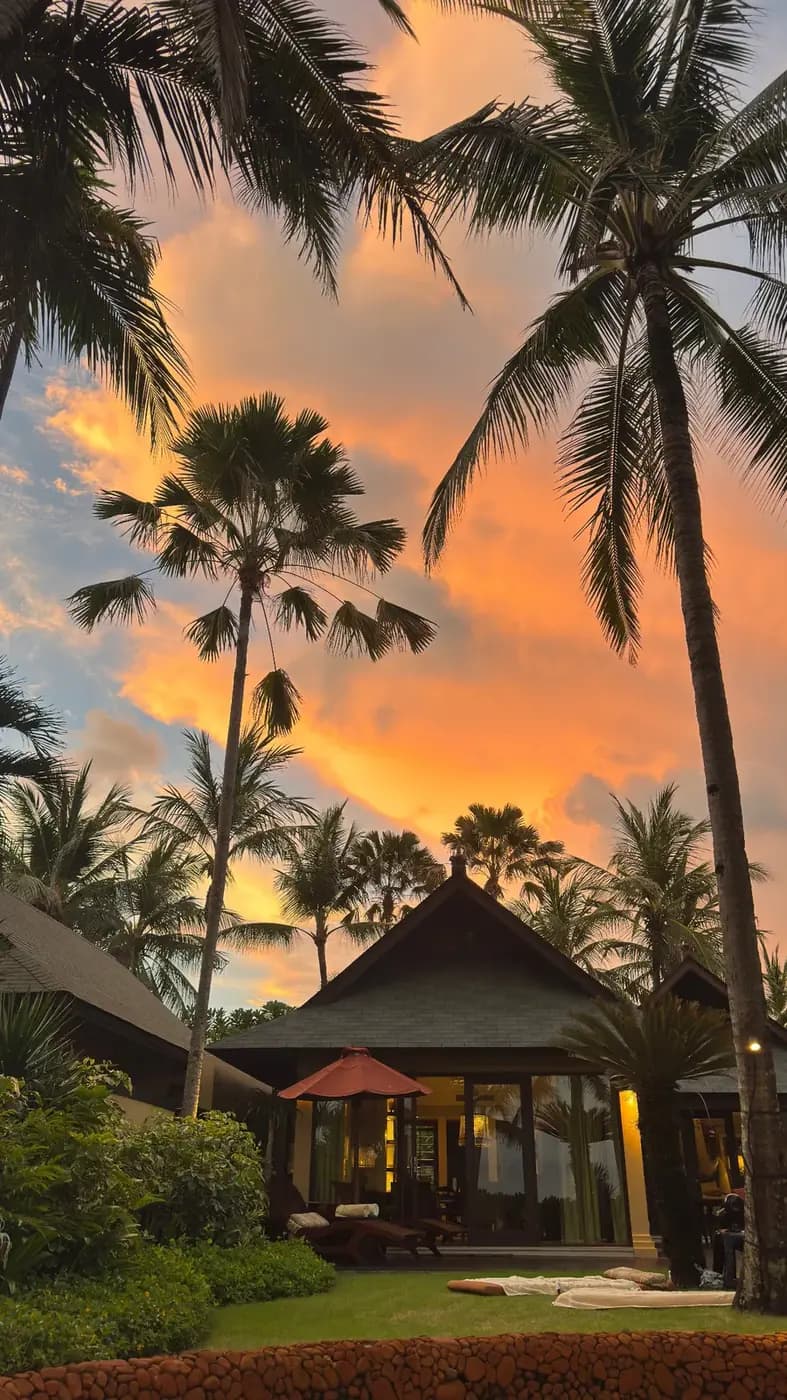
Retreats in Bali: A Journey to Yourself Through Yoga and Meditation

The Magic of Bali: Why Choose a Retreat?

Bali is a place where nature, culture, and spirituality merge into a single flow. The unique atmosphere of the island fosters deep self-reflection and personal development. The green rice terraces, volcanoes, and ocean create a backdrop that makes it easier to detach from everyday hustle and dive into oneself.
Here, you can meditate to the sounds of nature, practice yoga by the ocean, and explore your inner worlds. This palette of experiences becomes a catalyst for change — opening up new horizons and possibilities you may not have even suspected.
Transformation Stories from Participants
Participants in our retreats share stories of the changes that have occurred during their time in Bali. One guest decided to change careers and start their own business after the program — inspired by the island's energy and the support of the group.
Others talk about how they learned to let go of internal blocks and fears. They found confidence in themselves, which helped improve their relationships with loved ones and enhance their overall emotional well-being. Honestly, these transformations often mark the beginning of a new stage in life — one that is more conscious and joyful.
Comparing Retreat Locations in Bali
Bali has numerous places, each offering a unique experience. Here are a few locations worth considering:
Ubud — the cultural capital of the island, known for its rice terraces and temples. It has many yoga studios and meditation centers. Ubud is ideal if you want to immerse yourself in traditions and a spiritual atmosphere.
Seminyak — a more modern and touristy part of Bali, which still offers tranquil corners for practices. This place is suitable for those who want to combine beach relaxation with yoga and meditation.
Nusa Penida — a lesser-known but picturesque island, perfect for solitude and deep interaction with nature. Here, you can find secluded spots for meditation, away from tourist crowds.
When choosing a location, consider your needs and goals. If you want to immerse yourself in culture and spirituality, choose Ubud. If you're seeking a more active vacation with elements of relaxation, Seminyak will offer plenty of options.
Each retreat is a unique experience that can offer more than you expect. Such programs will help you discover new facets of yourself and find harmony in life, wherever you are.
If you are ready for this journey, check out our author's retreats in Bali and choose what resonates with your inner world.
Variety of Retreats and Yoga Tours in Bali

Overview of Retreat Types
Bali offers a wide selection of retreats that cater to various needs and interests. You can choose from meditation practices, yoga retreats, or healing programs.
Meditation: These retreats focus on deep inner awareness and calming the mind. They typically include sessions on breathing techniques and mindfulness practices.
Yoga: Yoga retreats vary in style — from Hatha and Ashtanga to more relaxing forms like Yoga Nidra. Such programs help develop flexibility, strength, and inner balance.
Healing Practices: These retreats often include elements of traditional Balinese medicine — massages, herbal teas, and wellness treatments. It’s a great way to restore energy and health.
Choosing the type of retreat depends on your goals. If you want to deepen your knowledge in meditation, select the appropriate programs. For physical activity, yoga retreats are a good fit, and if you are interested in healing practices, look for specialized courses.
What the Program Includes
Retreat programs in Bali typically offer a variety of activities and services to create a holistic experience.
Activities: Each program includes yoga or meditation classes led by experienced instructors. Additional workshops are often offered — for example, on healing herbs or cooking.
Meals: Usually, retreats provide vegetarian or vegan meals, which help maintain lightness and health. Many retreats offer fresh local products, enhancing overall well-being.
Excursions: Some retreats include excursions to local attractions — allowing for a deeper understanding of Balinese culture. These may include visits to temples, waterfalls, or nature activities.
I recommend checking the program in advance to understand what will be included and what additional expenses may arise.
A Journey to Yourself
If you are looking for a balanced approach to self-discovery and wellness, consider A Journey to Yourself — Bali Tours. These author retreats are designed to help you connect with yourself and the surrounding nature.
You will find a variety of practices that can change your life and immerse yourself in an atmosphere where each day is filled with new discoveries and harmony.
Each retreat is a unique experience that opens new facets of your inner world. Immersing yourself in practices in Bali can mark the beginning of your path to self-discovery and harmony.
How to Choose the Right Retreat in Bali in 2026?

Choosing a retreat in Bali is an important step on your path to personal development and wellness. In 2026, when the offerings are diverse, it’s worth paying attention to several key criteria.
Recommendations for Selection Criteria
First of all, define your goals. Do you want to deepen your yoga or meditation practices, or are you simply looking to relax and recharge? A clear understanding of your goals will help narrow down your options.
Next, pay attention to the duration of the retreat. Programs can vary from short weekend escapes to extended immersions lasting several weeks. If you are a beginner, it may be better to start with a weekend retreat in Bali to avoid overwhelming yourself right away.
The format of the retreat also matters. It can be an intensive program with daily activities or a more relaxed approach where more time is devoted to personal reflection and walks.
Important Questions to Ask Organizers
Before making a decision, don’t hesitate to ask questions. Here are a few to consider:
-
What does the activity schedule look like? Does it include various practices such as yoga, meditation, and breathing techniques?
-
What level of preparation is required? Is there a possibility to adapt the program to your needs?
-
What is the cost and what does it include? Clarify if there are any hidden expenses — this can be relevant for excursion programs.
-
What are the accommodation conditions? Pay attention to the comfort and atmosphere of the place.
Checklist for Preparing to Choose a Retreat
To ease the selection process, here’s a small checklist:
-
Define your goals and desires.
-
Explore available formats and durations of retreats.
-
Clarify information about the program and organizers.
-
Compare costs with what is included in the package.
-
Check participant reviews of the selected retreat.
-
Prepare necessary items: comfortable clothing for activities, personal belongings, as well as items for relaxation and walks.
-
Ensure you have all necessary documents for the trip.
Choosing a retreat is a journey to your inner world and harmony. With the right approach and clear goals, your experience in Bali can be the beginning of a new life.
If you are ready for this journey, I recommend checking out the programs of A Journey to Yourself — Bali Tours, which offer unique opportunities for self-discovery and wellness.
Retreat Budget: Hidden Expenses and Tips

When planning a retreat in Bali, it’s essential to consider not only the cost of the tour itself but also additional expenses that may arise. This will help you avoid unexpected costs and make your experience more comfortable.
Approximate Budget for Different Types of Retreats
The cost of retreats in Bali can vary depending on the format and level of comfort.
Budget Option: from 400 to 700 dollars for a week-long retreat. These programs may include basic accommodation, yoga sessions, and some communal activities.
Comfort Level: from 800 to 1500 dollars. In this case, you will receive higher-quality accommodation, a variety of activities, and possibly excursions.
Luxury Retreats: from 2000 dollars and up. Here, attention is paid to every aspect — from meals to individual sessions with experienced instructors.
Keep in mind that these are just approximate prices, and each retreat will be unique.
Hidden Expenses: Transfers, Excursions, Additional Activities
Often, the costs of transfers, excursions, and additional activities are not included in the price of the retreat.
Transfers: the cost of airport transfers can range from 20 to 50 dollars, depending on distance and type of transport.
Excursions: if you plan to explore the island, keep in mind that excursions can cost between 30 and 150 dollars per person.
Additional Activities: massages, private yoga or meditation sessions can add from 10 to 100 dollars to your overall budget.
I recommend clarifying in advance what is included in your package to avoid surprises.
How to Optimize Your Budget Without Sacrificing Experience Quality
If you want to cut costs without compromising quality, here are a few tips.
Choose less popular seasons for travel. Retreat prices can drop significantly in the low season, and you'll also be able to avoid crowds of tourists.
Participate in group sessions instead of individual ones. This is not only cheaper but also creates a sense of unity and support.
Look for local restaurants for meals. This can significantly reduce expenses compared to resort dining options.
Plan excursions in advance and look for combined tours that may offer discounts.
Every step in preparing for your retreat can help make it more affordable while still enriching.
If you’re ready for this amazing experience, I recommend checking out the programs Journey to Yourself — Bali Tours, where every desire finds its reflection.
Logistics and Safety in Bali: What You Need to Know

When planning a retreat in Bali, it’s important to consider safety and logistics. The island is undoubtedly beautiful, but like anywhere else, it has its own specifics that should be taken into account for a comfortable stay.
Choosing Safe Places for Accommodation and Retreats
When selecting a place to stay and hold retreats, pay attention to the reputation of hotels and resorts. Look for reviews mentioning safety and service quality.
Also, consider the location. Avoid areas known for high crime rates or lack of infrastructure. I recommend choosing places in central areas with access to necessary services and transport routes.
Don’t forget to familiarize yourself with the conditions of the retreats and programs that interest you. Make sure they meet your expectations regarding safety and quality.
Tips for Getting Around the Island: Transport and Routes
Getting around Bali can be comfortable if you plan your routes and transportation methods in advance. Here are a few tips.
Rent a scooter: One of the most popular ways to get around the island. However, make sure you have an international license, and be cautious on the road.
Taxis and apps: Using apps to call taxis can be a convenient and safe option. This helps avoid misunderstandings with drivers and saves time.
Group transfers: If you’re traveling with a group, consider organizing group transfers to the retreat location. This can be both cost-effective and convenient.
Plan your routes in advance: Familiarize yourself with maps and choose optimal routes to the places you want to visit, considering travel time and road conditions.
Useful Contacts and Resources for Emergencies
In case of emergencies, it's advisable to have a few important contacts handy.
Local emergency services: Write down the numbers for emergency services — police, ambulance, and fire department.
Contact information for your hotel or resort: Check in advance how to reach your accommodation if necessary.
Embassy or consulate: If you're traveling from abroad, don’t forget to note the contact details of your embassy or consulate.
It’s also helpful to have access to local resources, such as medical facilities and pharmacies. Familiarize yourself with their locations in advance so you know where to go if needed.
These tips will help you not only enjoy your retreat but also feel confident and safe throughout your stay.
If you're ready to discover Bali, I recommend considering our programs Journey to Yourself — Bali Tours or Weekend Retreat in Bali to make your trip unforgettable.
FAQ

Looking for the Best Yoga Retreats in Bali?
Bali offers many unique places for yoga retreats, each with its own features. When choosing a retreat, pay attention to the program offered by the organizer.
Here are some important considerations:
- Duration of the retreat: from a few days to several weeks.
- Type of practice: various styles, such as hatha, vinyasa, or kundalini.
- Level of experience: are there classes for beginners, or are they aimed at more experienced practitioners?
I recommend checking out the programs by Jay Shambo, such as Journey to Yourself — Bali Tours, where yoga and meditation practices harmoniously blend with exploring Balinese culture.
What Documents Are Needed for a Trip to Bali?
For a trip to Bali, you will need the following documents:
International passport: It should be valid for at least 6 months from the date of entry.
Visa: For citizens of certain countries, a visa is not required for up to 30 days, but it's best to check the rules for your country in advance. If staying longer, a 60-day visa with the possibility of extension may be required.
Medical insurance: Make sure to get insurance covering potential risks, including medical assistance and repatriation.
Vaccination certificate: Considering current global trends, it's recommended to have proof of vaccination against COVID-19 and other infectious diseases.
How to Prepare for a Retreat in Bali?
Preparing for a retreat is an important step that will help you get the most out of your experience.
Physical preparation: Start practicing yoga in advance if you’re not familiar with it. This will help avoid strain during classes.
Emotional setting: Spend time alone, reflecting on the goals you want to achieve during the retreat. This could include meditation, journaling, or reading.
Packing list: Create a list of necessary items, including comfortable clothing for yoga, beach gear, and personal belongings.
Hydration and nutrition: Start drinking more water and pay attention to your diet in the weeks leading up to your departure. This will help your body adapt more easily to the changes.
Are There Health Limitations for Retreat Participants?
Health is a priority, and before participating in a retreat, I recommend consulting with a doctor, especially if you have chronic conditions or have recently undergone surgery.
Physical limitations: If you have injuries or chronic illnesses, be sure to inform the organizers. Many retreats offer adapted programs.
Psycho-emotional state: If you feel insecure or have mental health issues, it might be worth consulting a specialist before starting the practices.
Your health is a priority. Participation in a retreat should bring joy and harmony, not additional stress.
If you're ready to embark on this amazing journey, check out our programs Weekend Retreat in Bali and feel how your perception of life can change.